European Bus Tour 1: Bosnia
Photos by Philip Galvin
In 2018, we took a bus tour starting from Rumania, visiting 9 countries as follows:
- Rumania
- Bulgaria
- Macedonia
- Albania
- Montenegro
- Croatia
- Bosnia*
- Serbia
- Hungary
Bosnia
1) Sarajevo War Tunnel
We visited Sarajevo, which is the capital of Bosnia. If you recall, it is the city where the Winter Olympic was held in 1984. Sarajevo is also known where the Bosnian War which took place from April 1992 to February 1996 after hosting their Winter Olympic. The first place we visited was the Sarajevo War Tunnel (aka Tunnel of Salvation or Tunnel of Hope). This tunnel was constructed between March and June 1993 by the Army of the Republic of Bosnia and Herzegovina during the Siege of Sarajevo.

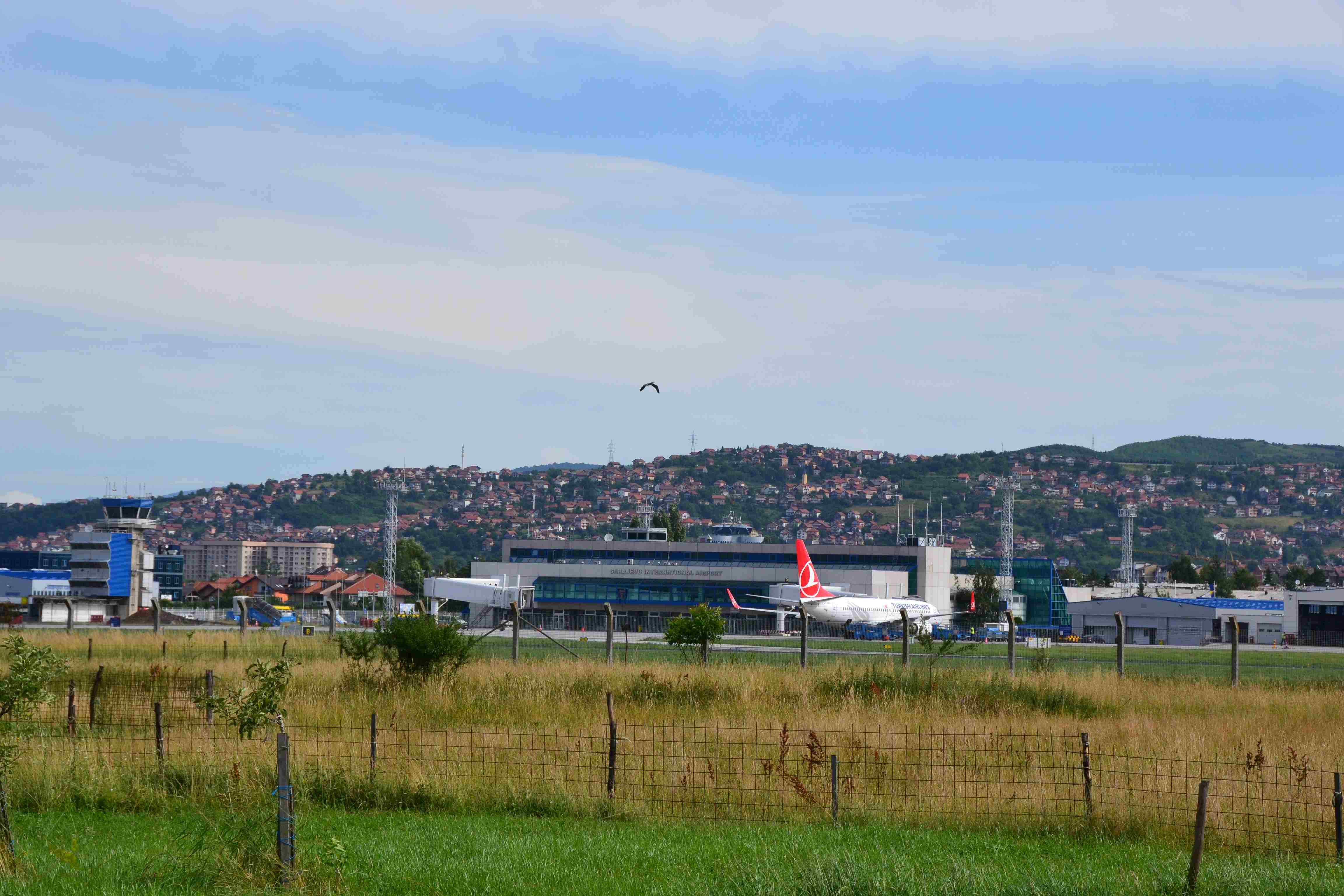

The Bosnian War was part of the breakup of Yugoslavia. Army of Yugoslav Army units in Bosnia on the one side, and the Army of the Republic of Bosnia and Herzegovina which was largely composed of Bosniaks and Croat forces on the other side.
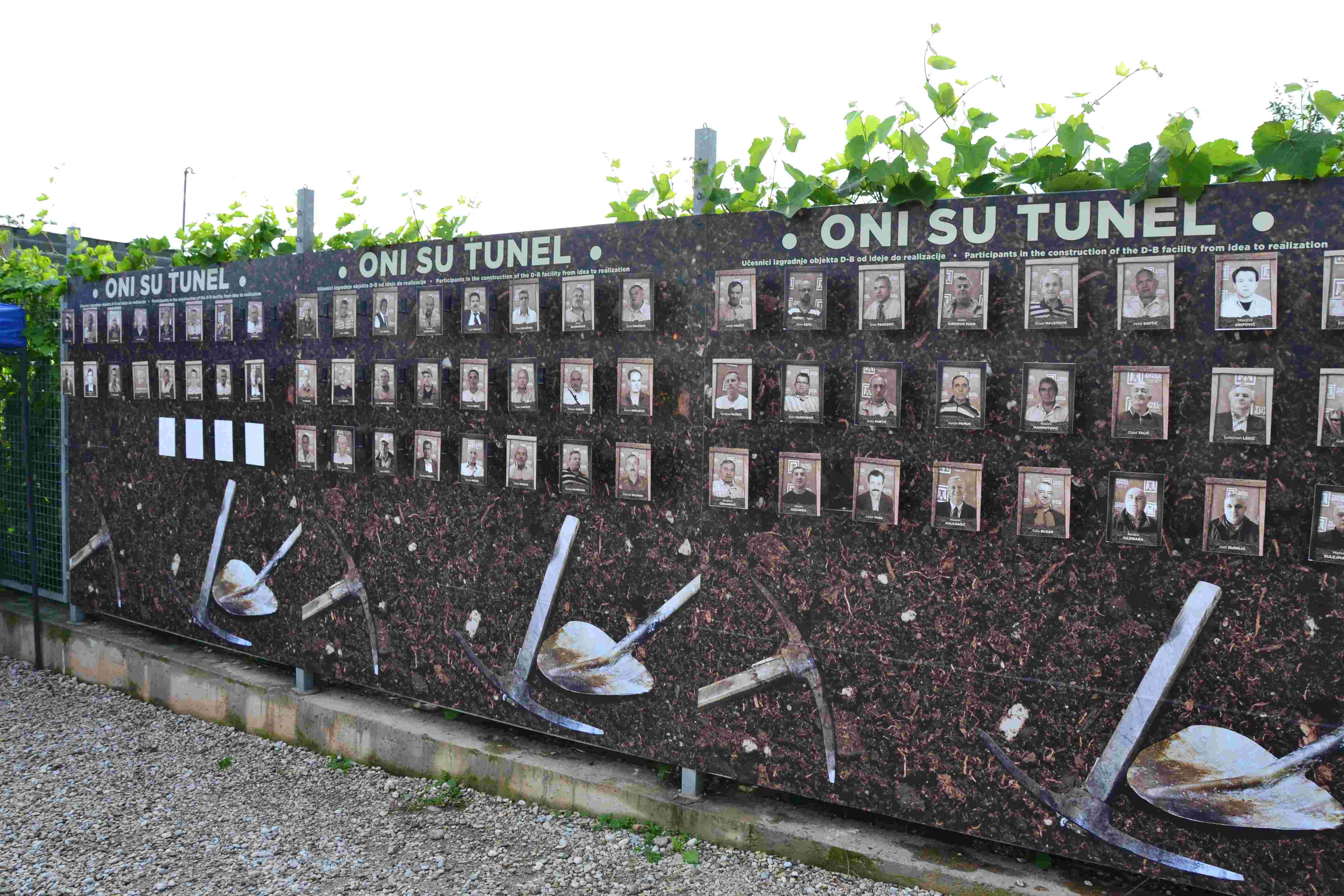
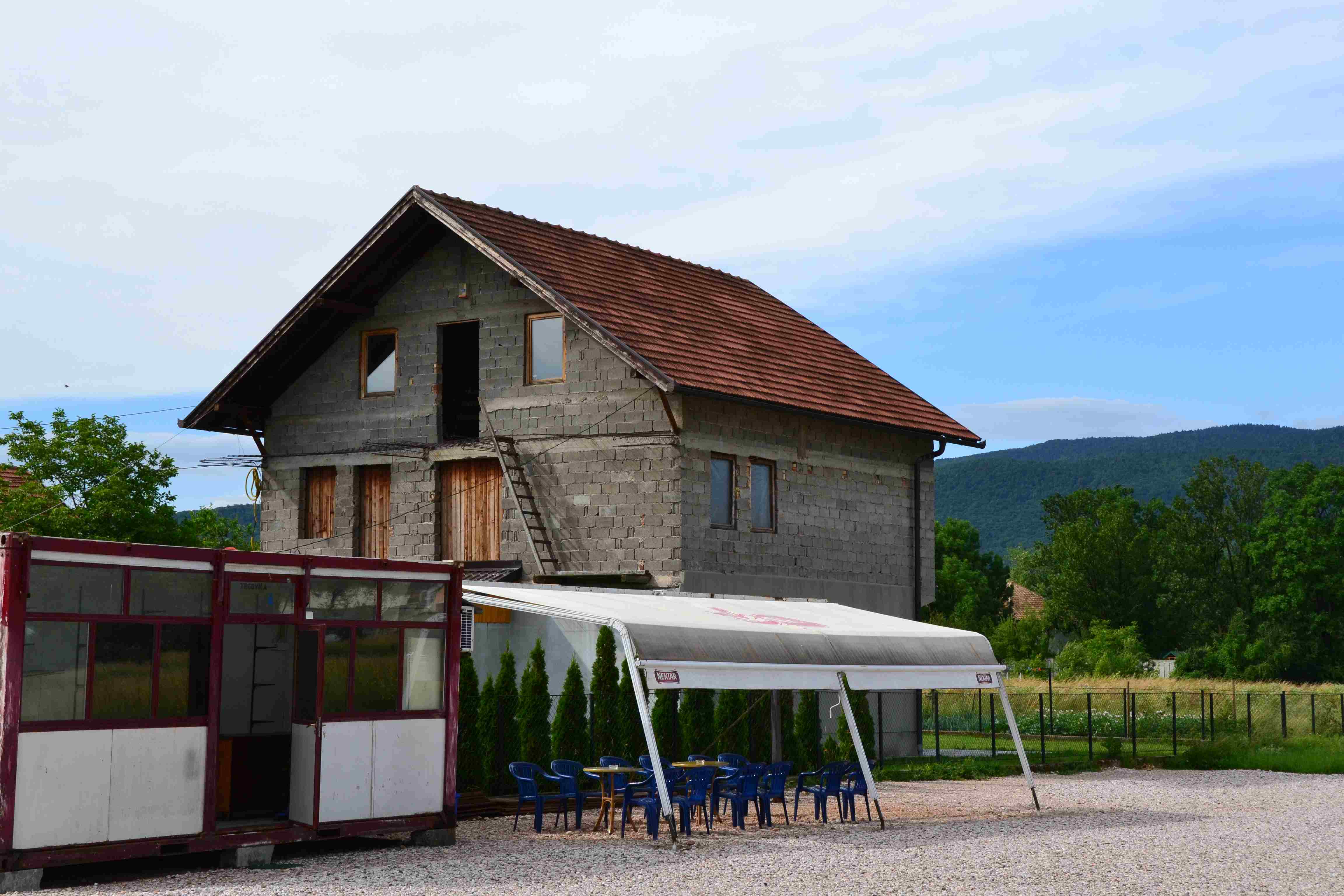

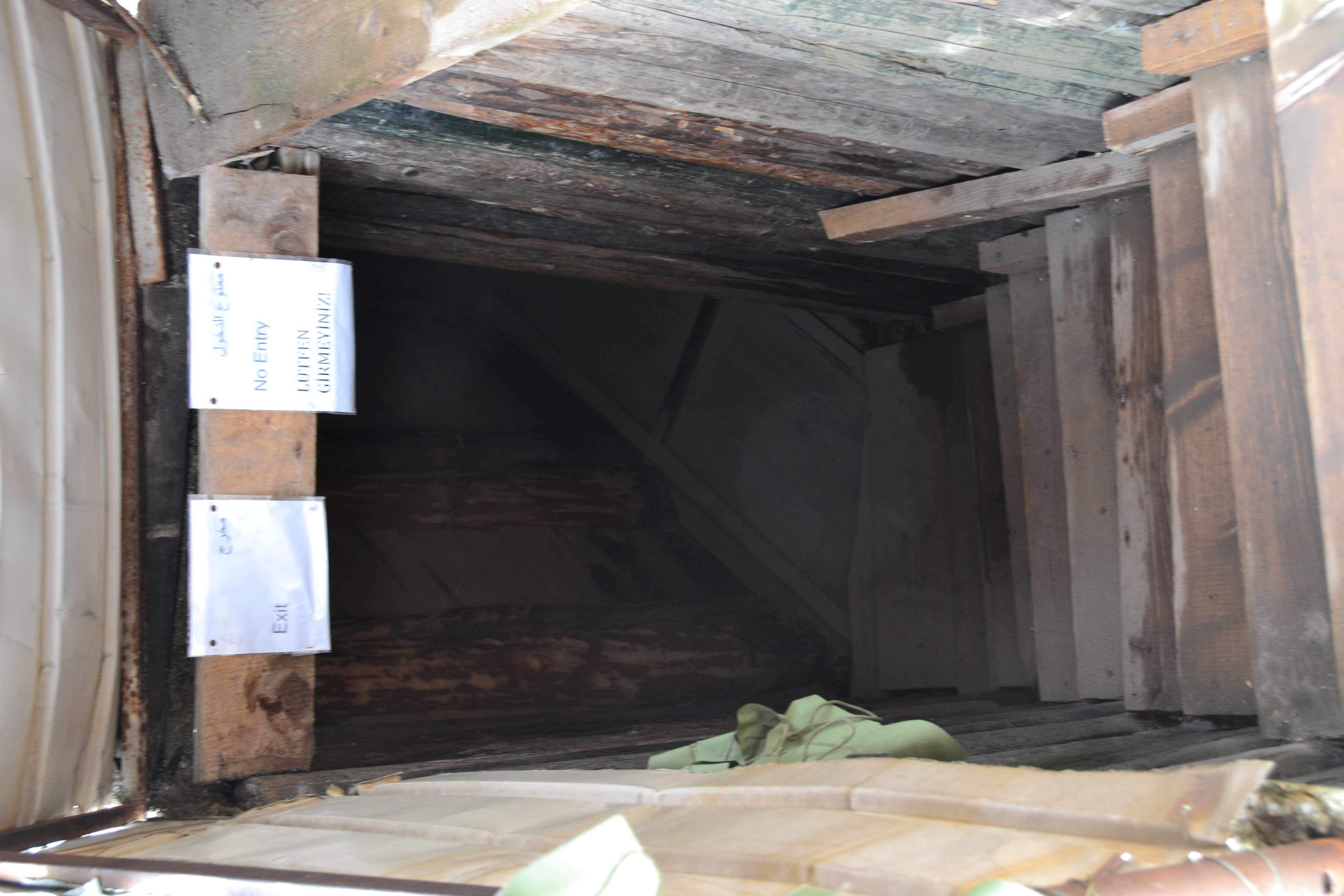
We were taken to what looked like an ordinary house above. Once we entered the house, we saw a doorway which led us to a dark and narrow tunnel. We followed other tourists along the narrow path.

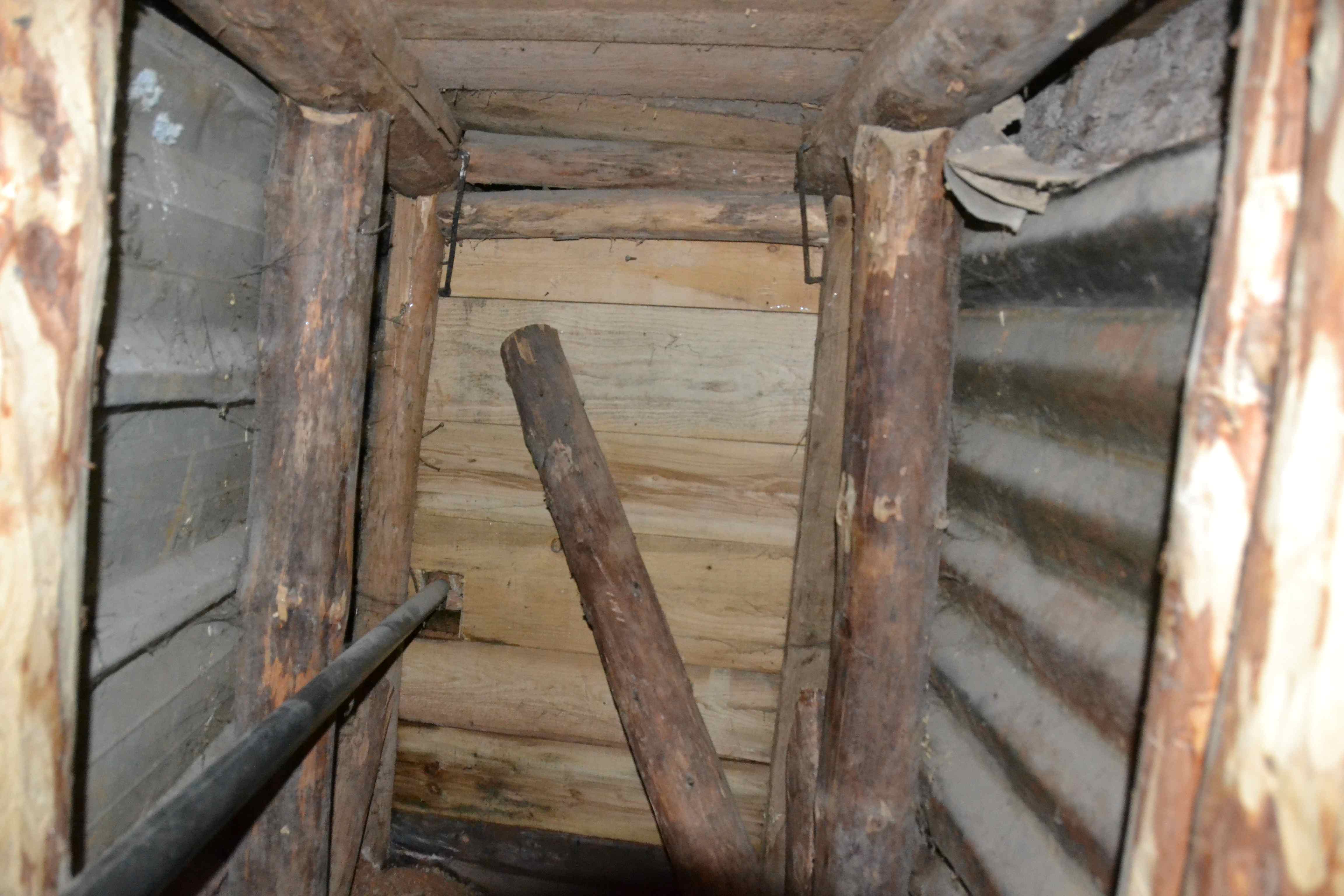
Under the tunnel, there was a museum which displayed detailed descriptions of the building of the tunnel behind the glass windows.

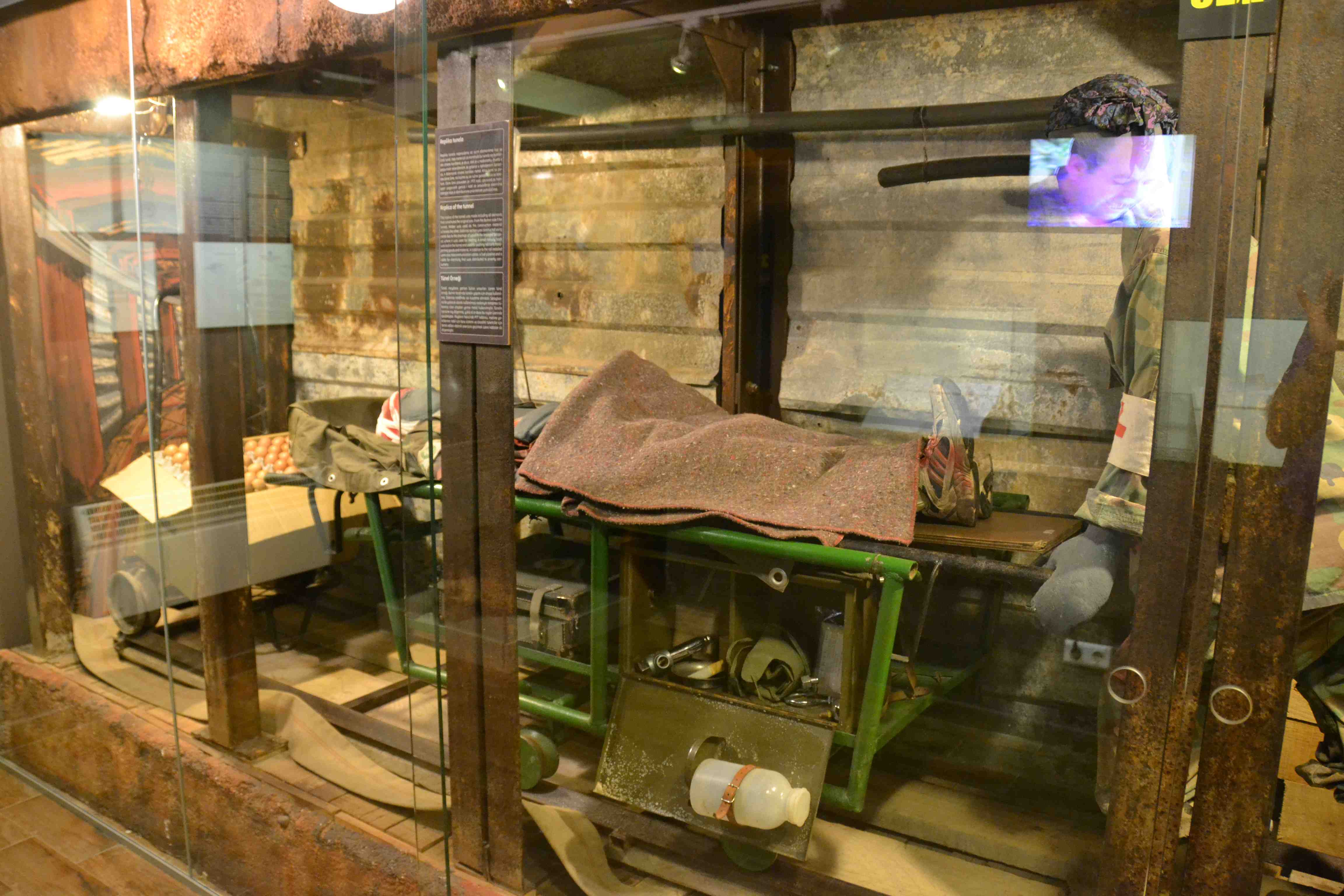
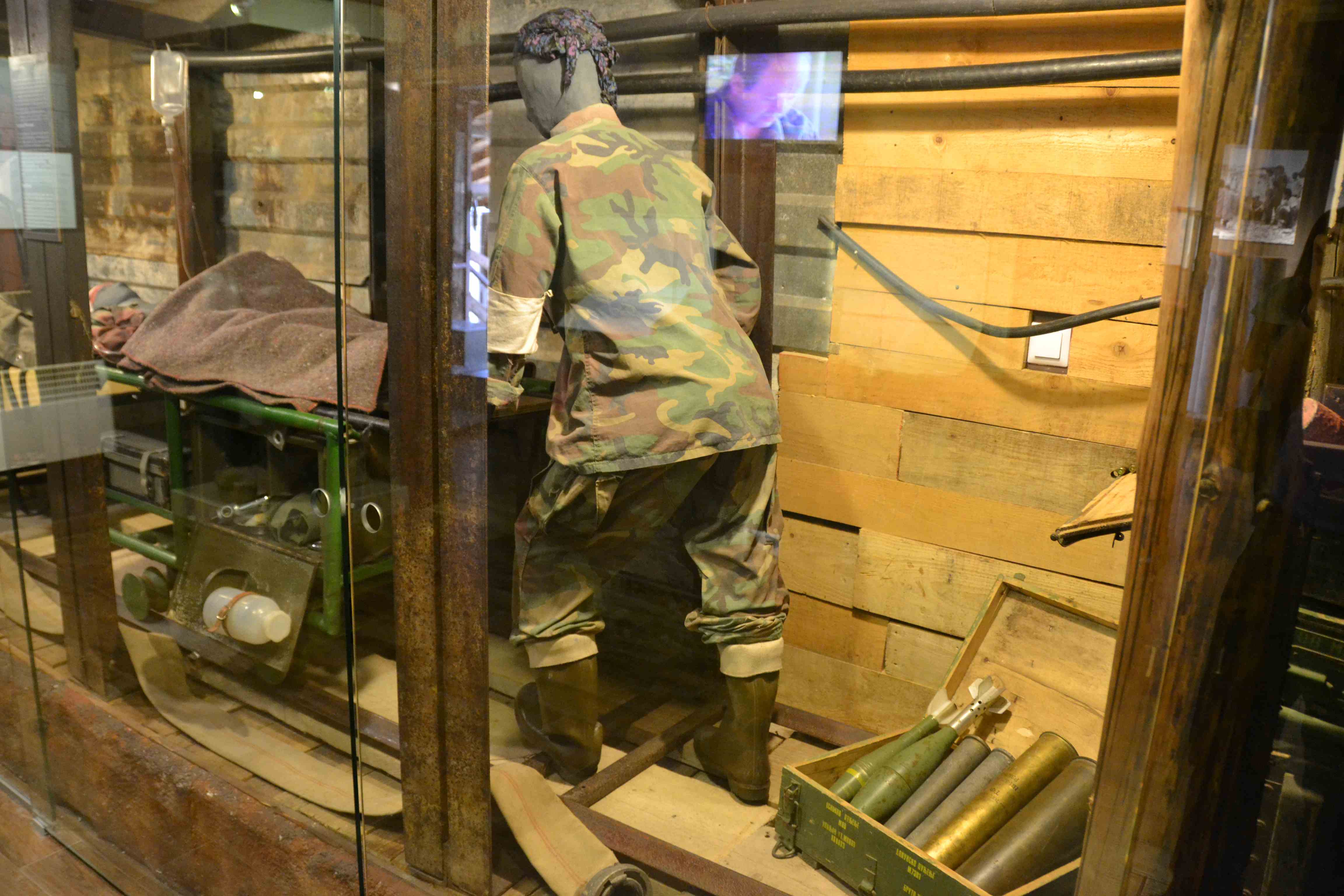

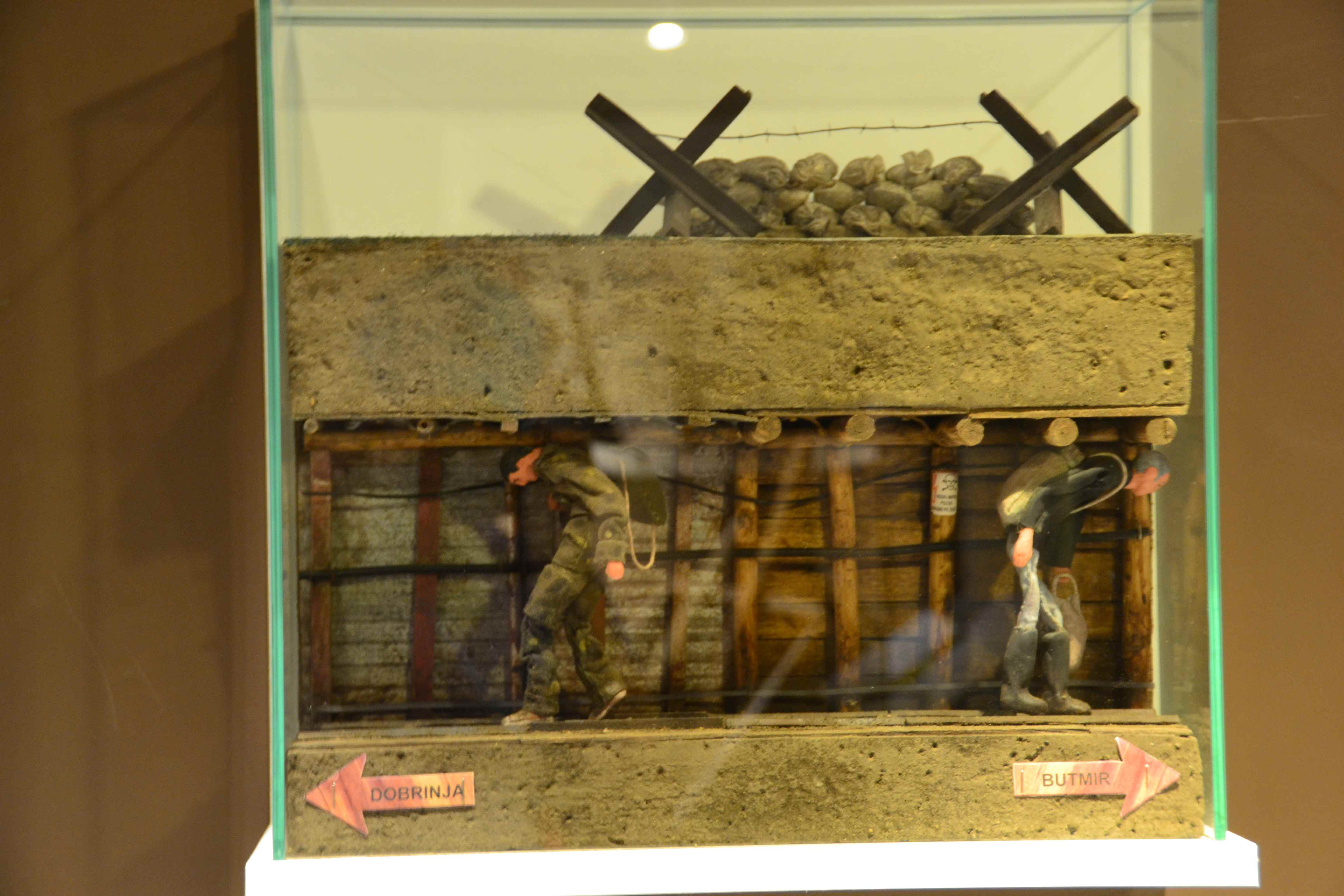
Above the tunnel and still inside of the house, there were many displays of the newspaper articles, photos, and various ammunition from the Bosnian War.


After visiting the tunnel, the bus took us to downtown Sarajevo.
2. Downtown Sarajevo
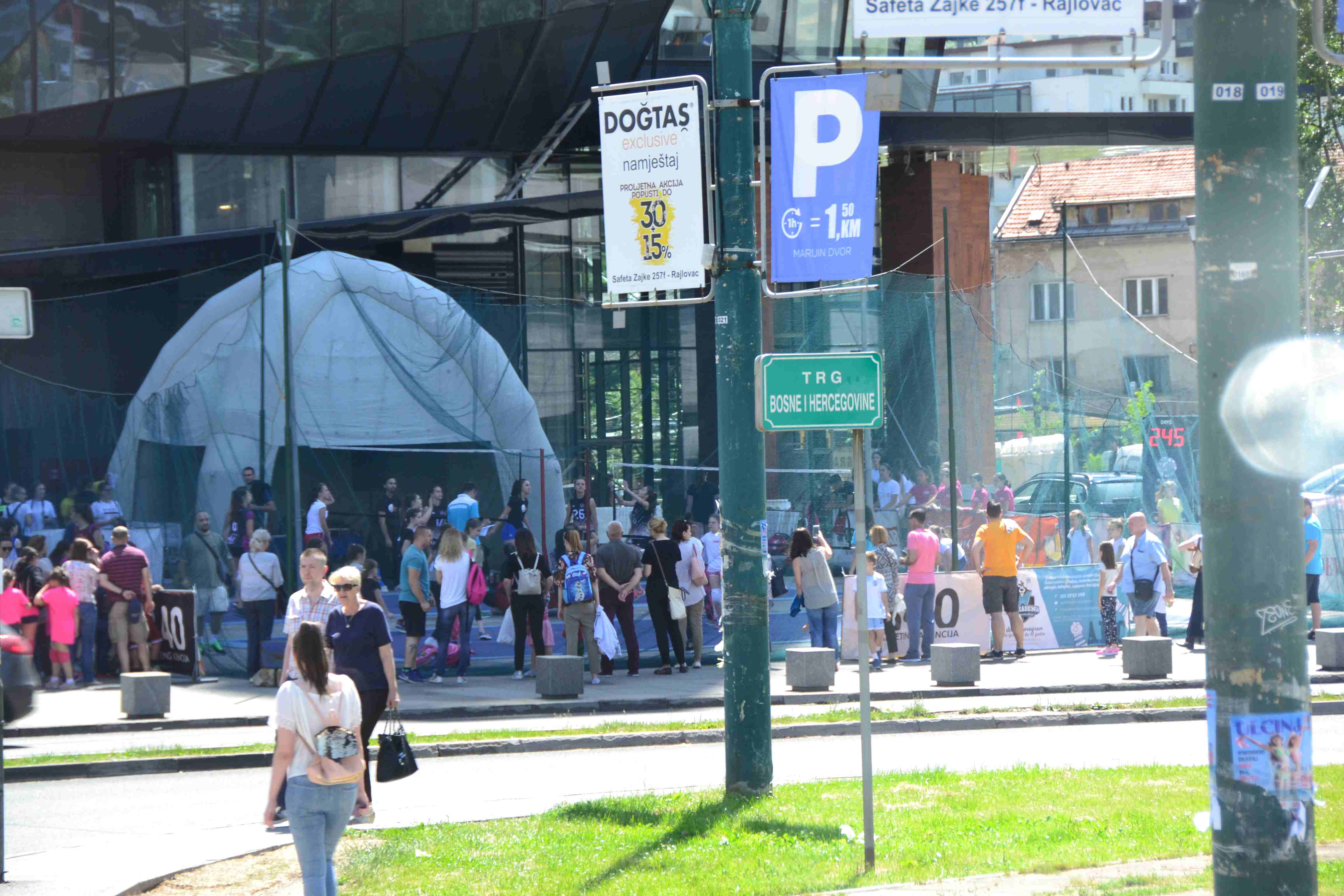
Some buildings downtown were still showing the reminiscence of the war: a portion of the walls were missing due to a bomb strike during the Bosnian war. It looked quite odd to see a modern city with such destructive scenes. Apparently, even now, tourists should avoid traveling to isolated mountain areas or at night due to the risk of explosion of landmines in Bosnia.


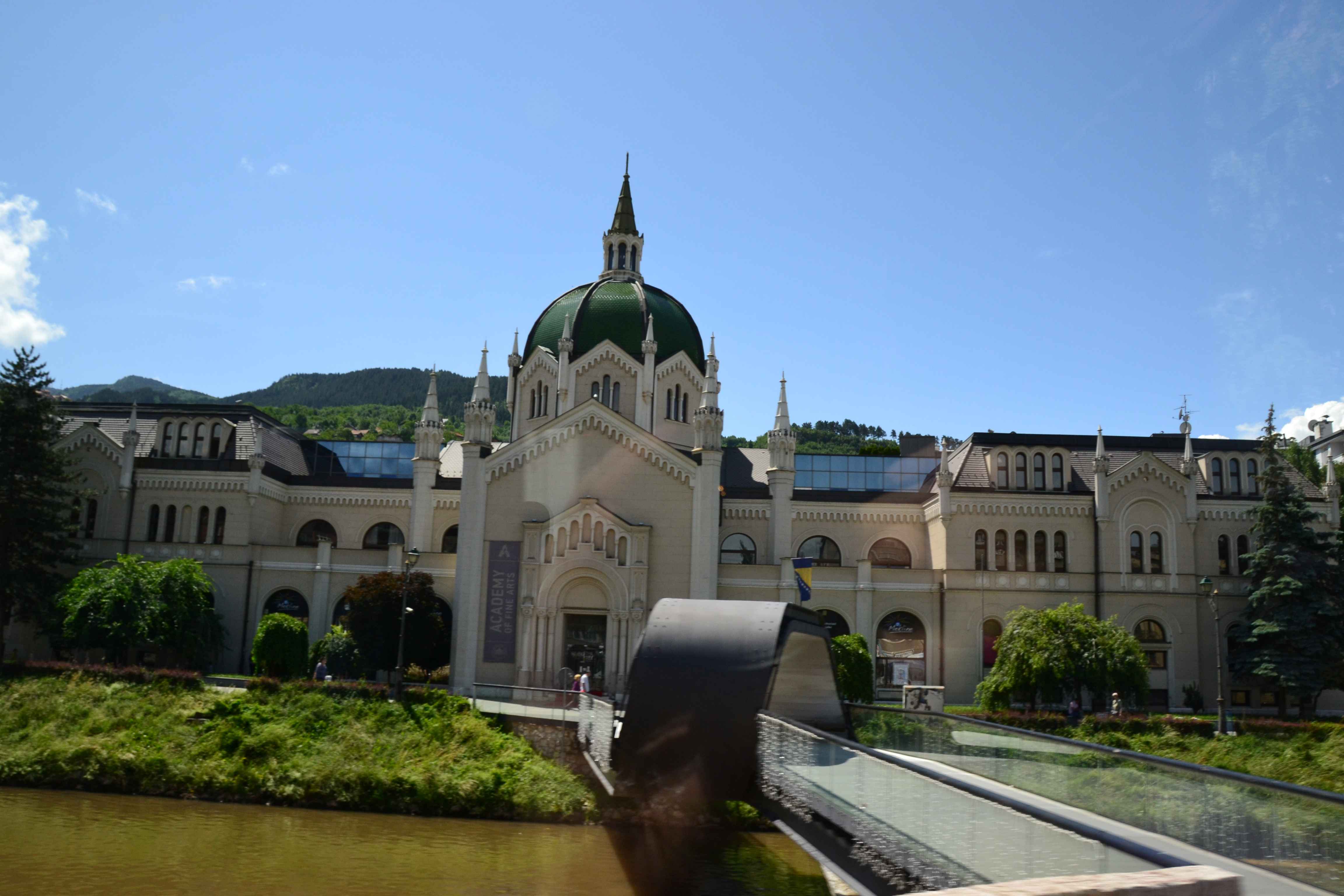

City Hall
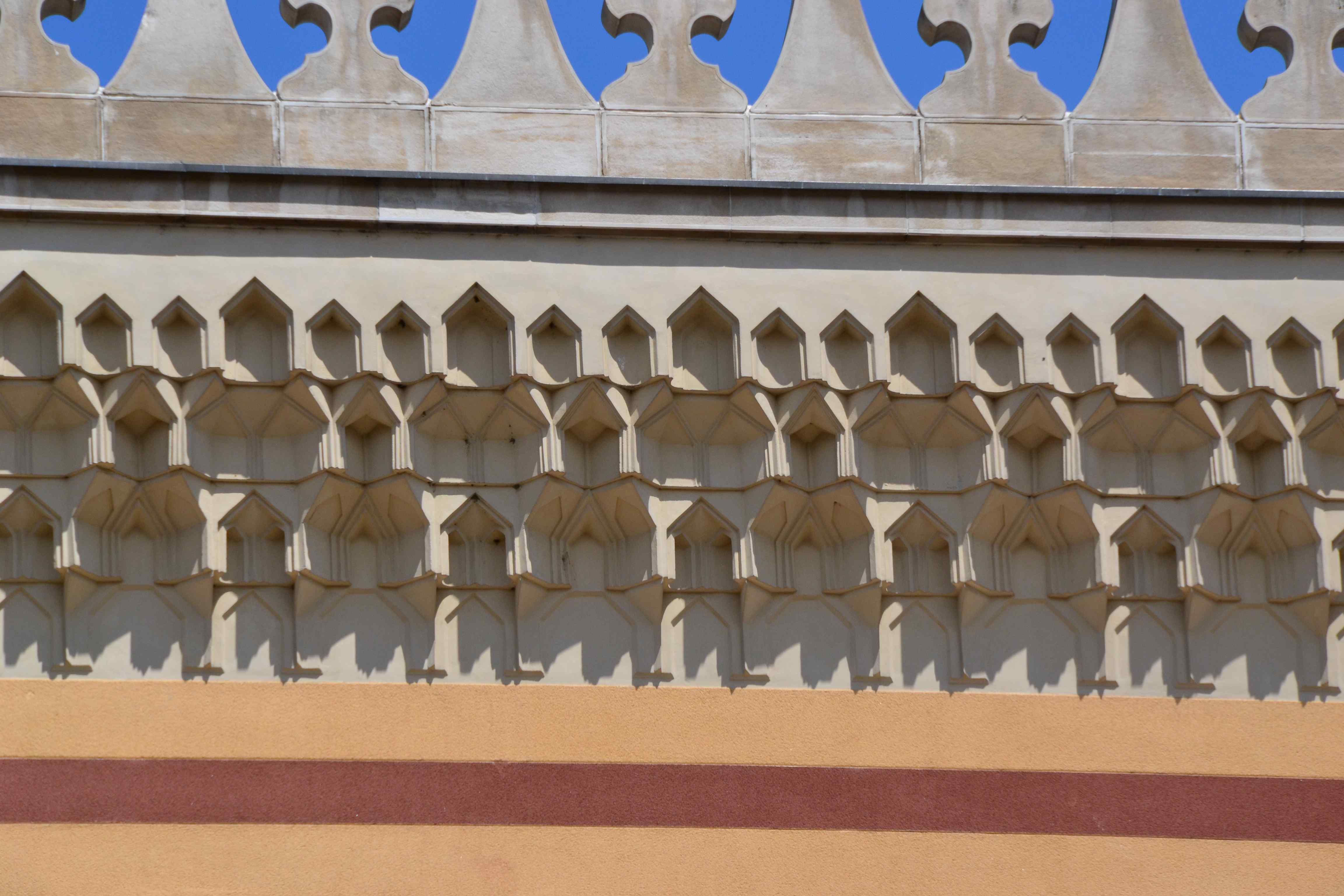
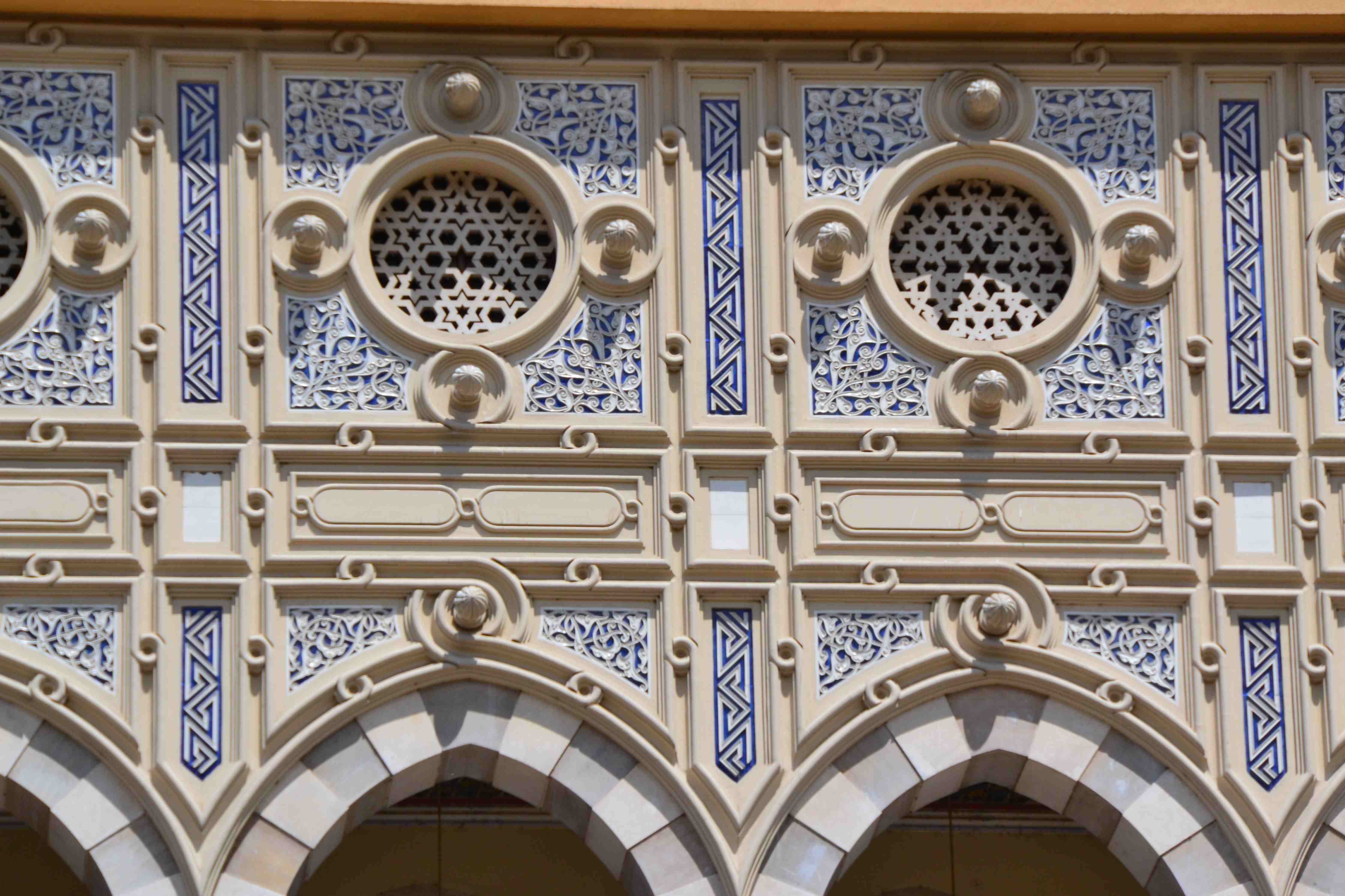
There were many interesting buildings with structural designs along the river. Good thing that the Bosnian war did not destroy all these beautiful historical architectures.
When we were walking along the river, someone bumped into me (meaning Yoko) rudely and said something incomprehensible. I was surprised and began to pay attention to the person who passed by. What I didn’t know was that while my eyes were following this rude person, another person approached me from behind and tried to open the zipper of my small backpack. Fortunately, my backpack had a narrow top so she couldn’t take anything out of it. How lucky I was I thought. We were warned many times that the thieves work as a pair (one to distract you and one to steal), so this was the typical situation of their new method of stealing. According to Phil, there was a group of three not two. I didn’t notice the third person.
More interesting sights along the river.


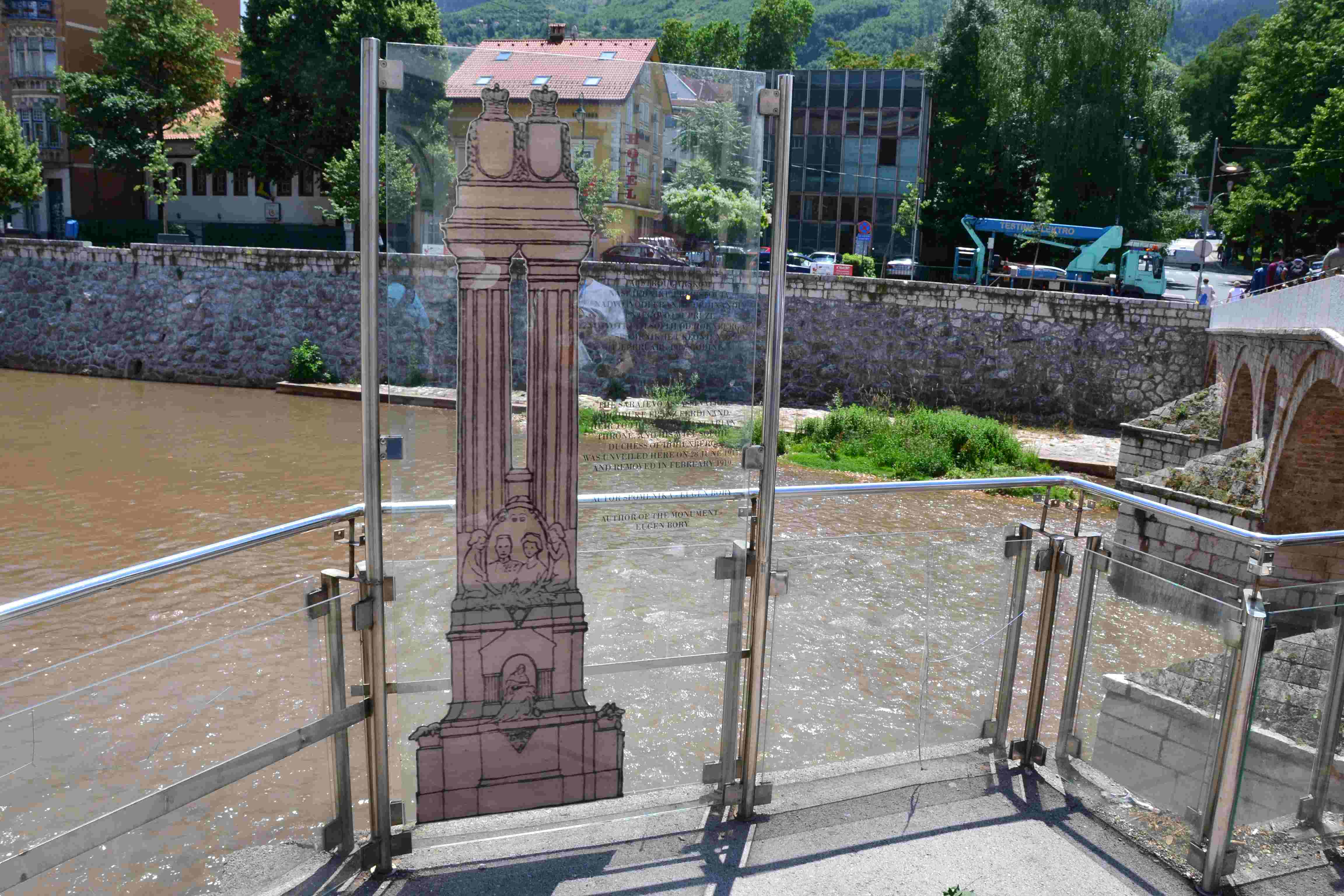

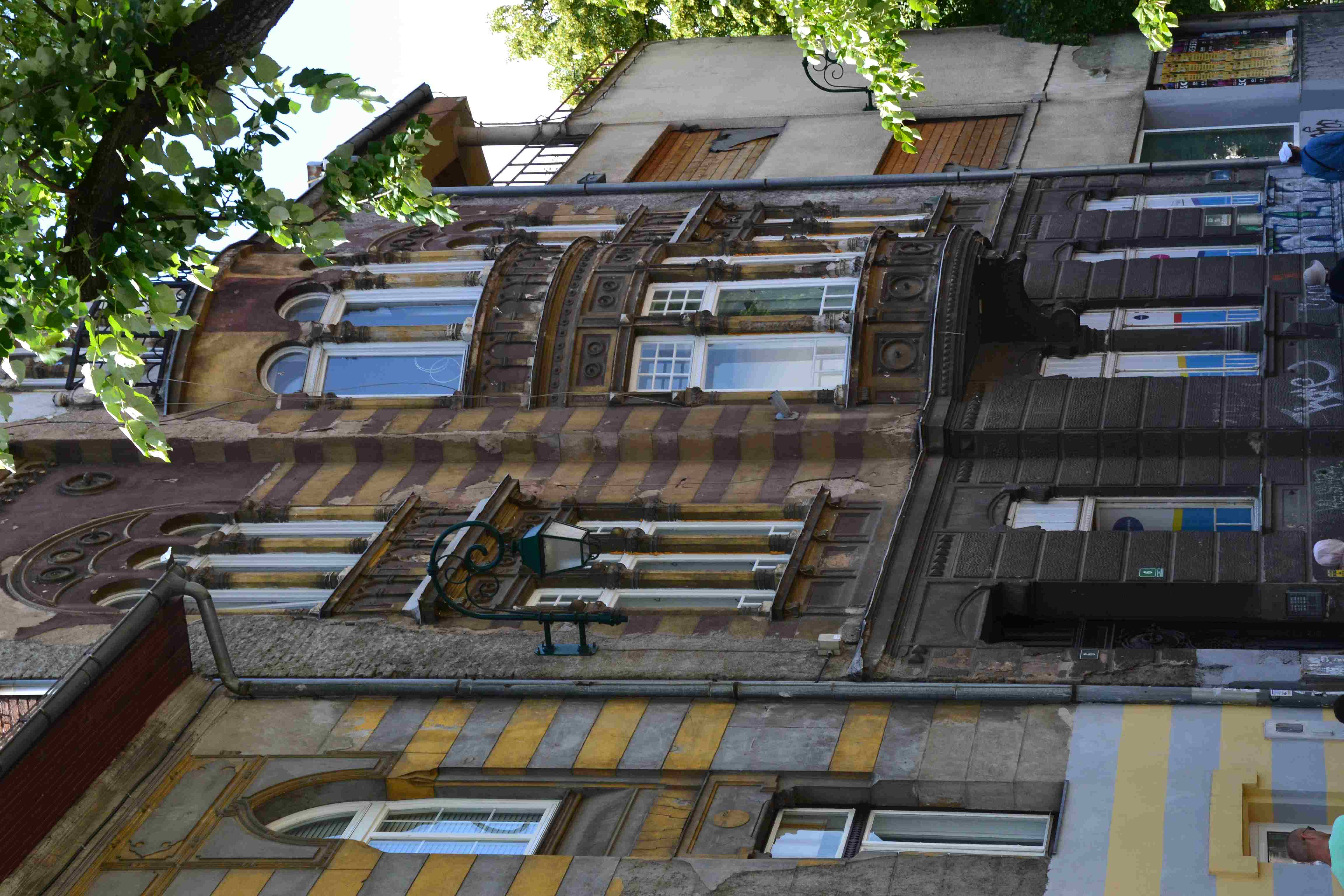
There were small shops and restaunts between the river and the town square. We had lunch with a couple from our tour and enjoy watching the people going by.

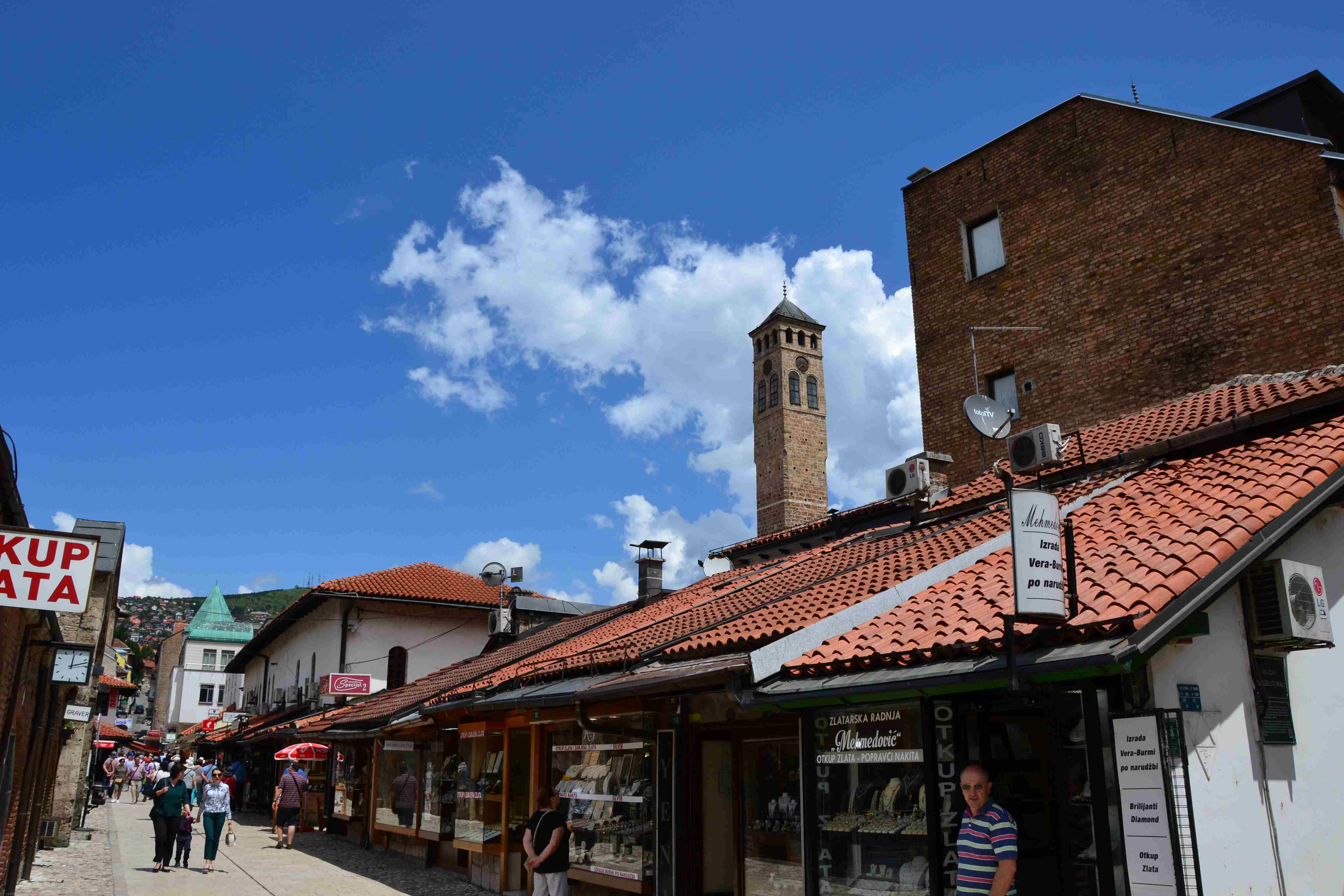
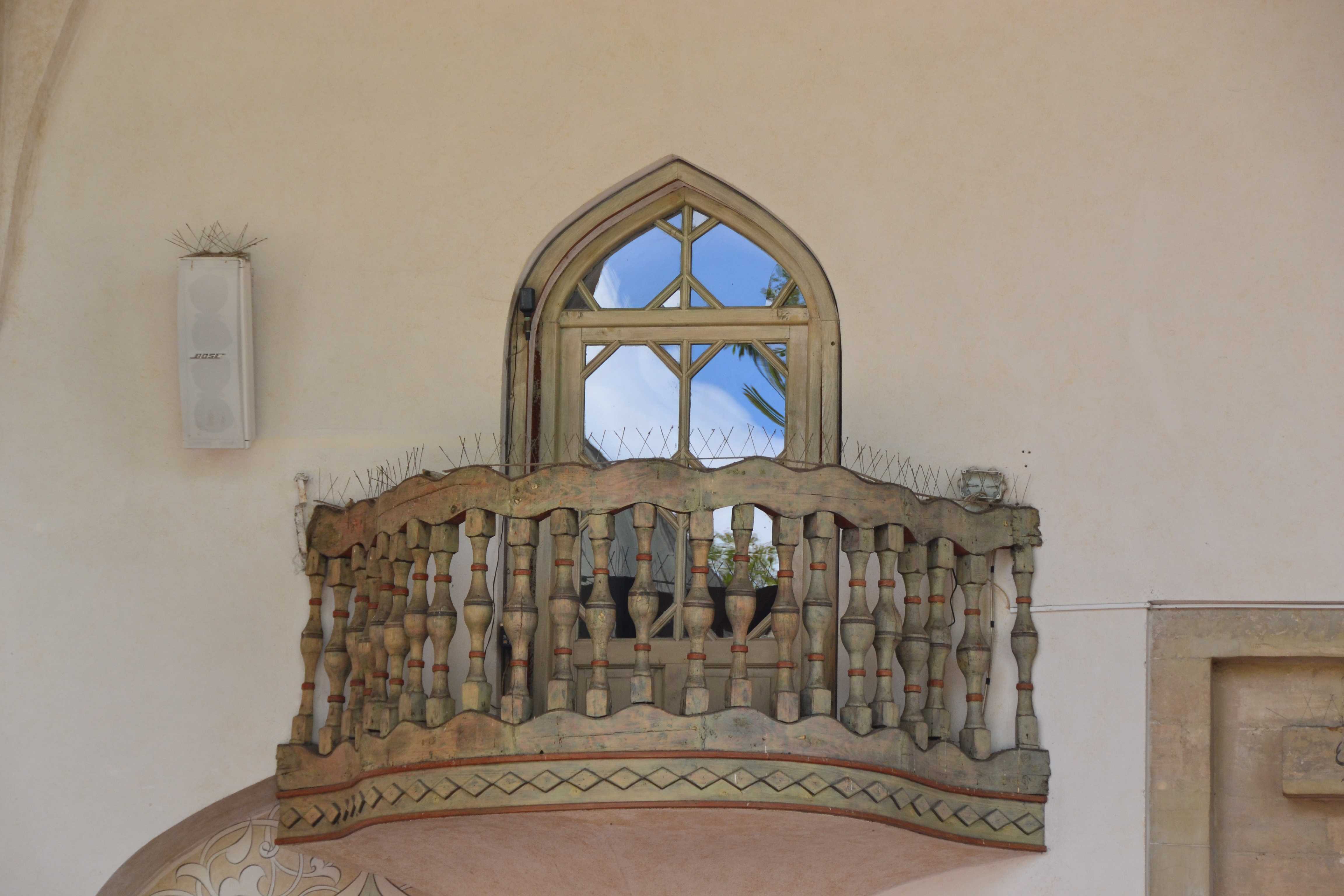



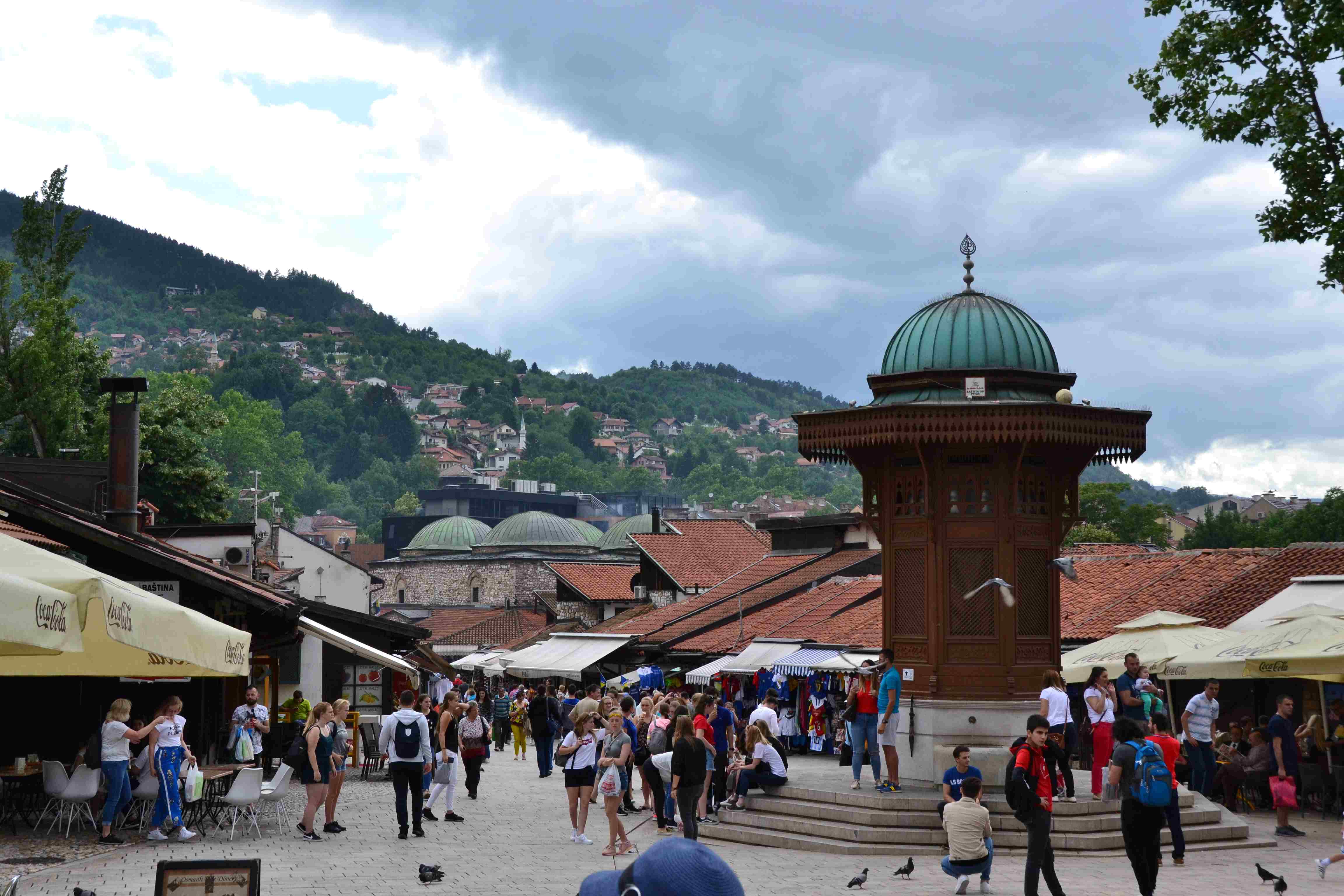
Sebilj: Wooden Water fountain (tower)
When you visit the Bascarsija Square, you find Sebilj which is an Ottoman-style wooden fountain. It was built by Mehmed Pasha Kukavica in 1753. This fountain is the symbol of the town and meeting place. Visitors who drink water from this fountain will return to Sarajevo someday according to local legend.
When we reached the town square, we saw more interesting and eye-catching souvenir shops.
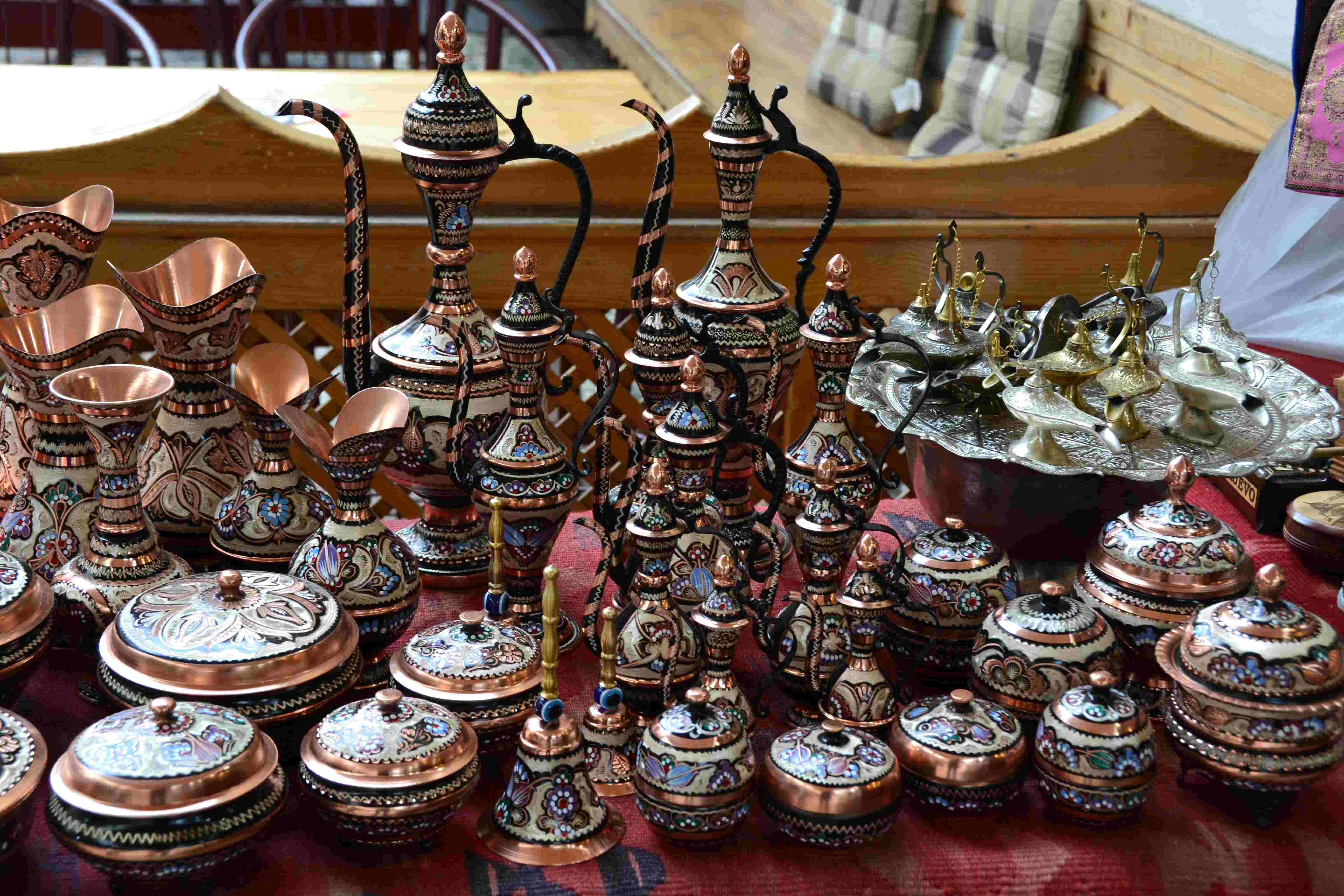


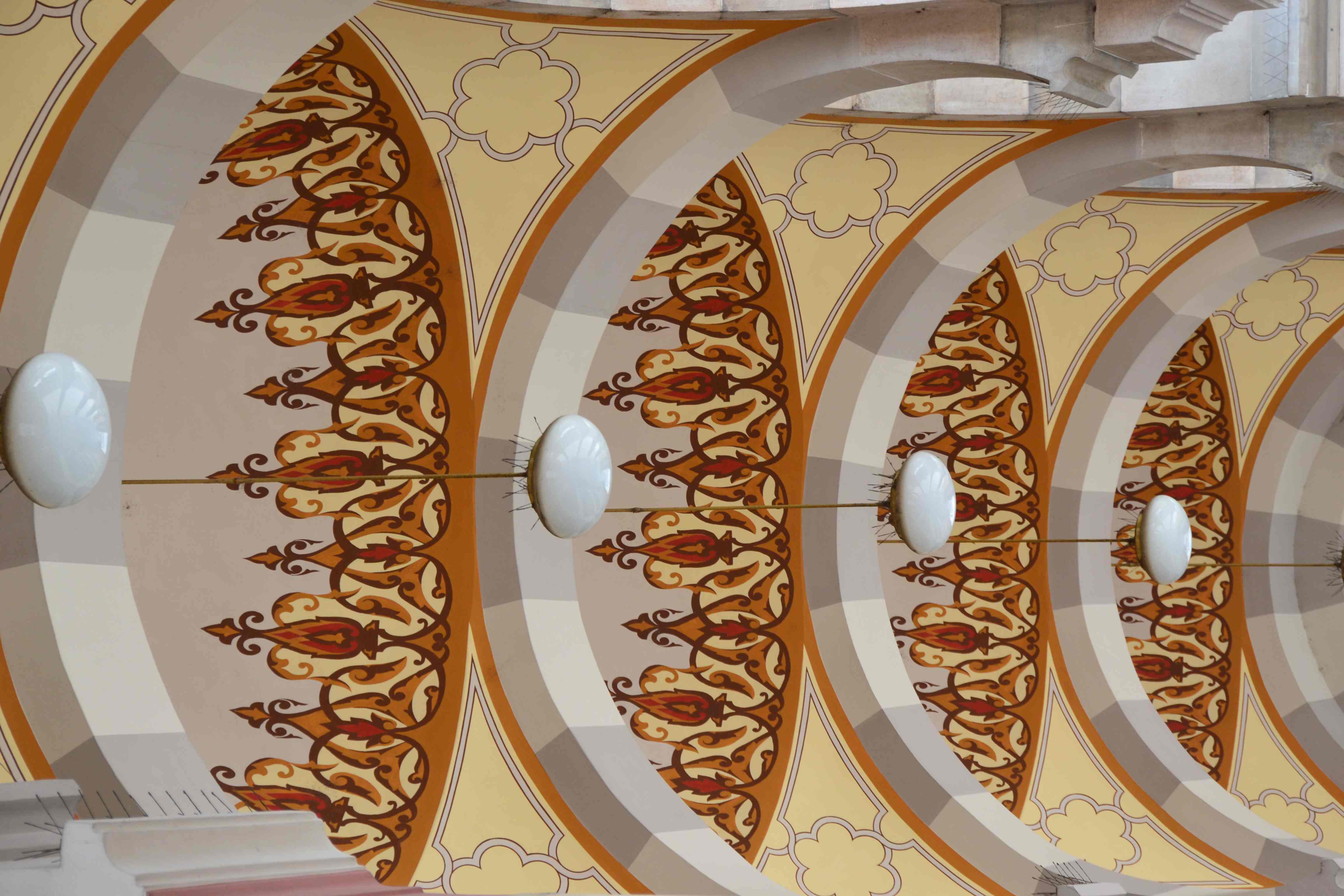
When we walked a couple blocks away from the town square, we saw some houses along the hill. Watching the stone made steps, we wondered if it rains, if it could be very dangerous to walk up and down.


