African Cruise
Photos by Philip and Yoko Galvin
2. Walvis Bay, Namibia
The next day, we arrived in Namibia, which is famous for the Namib Desert, the home of many wild animals. At the port, some jeeps were waiting for the passengers who chose an excursion called “Bird Watching in Walvis Bay”. We were one of them. By this time, Phil was over his stomach problem, so we were ready to face our new adventure.
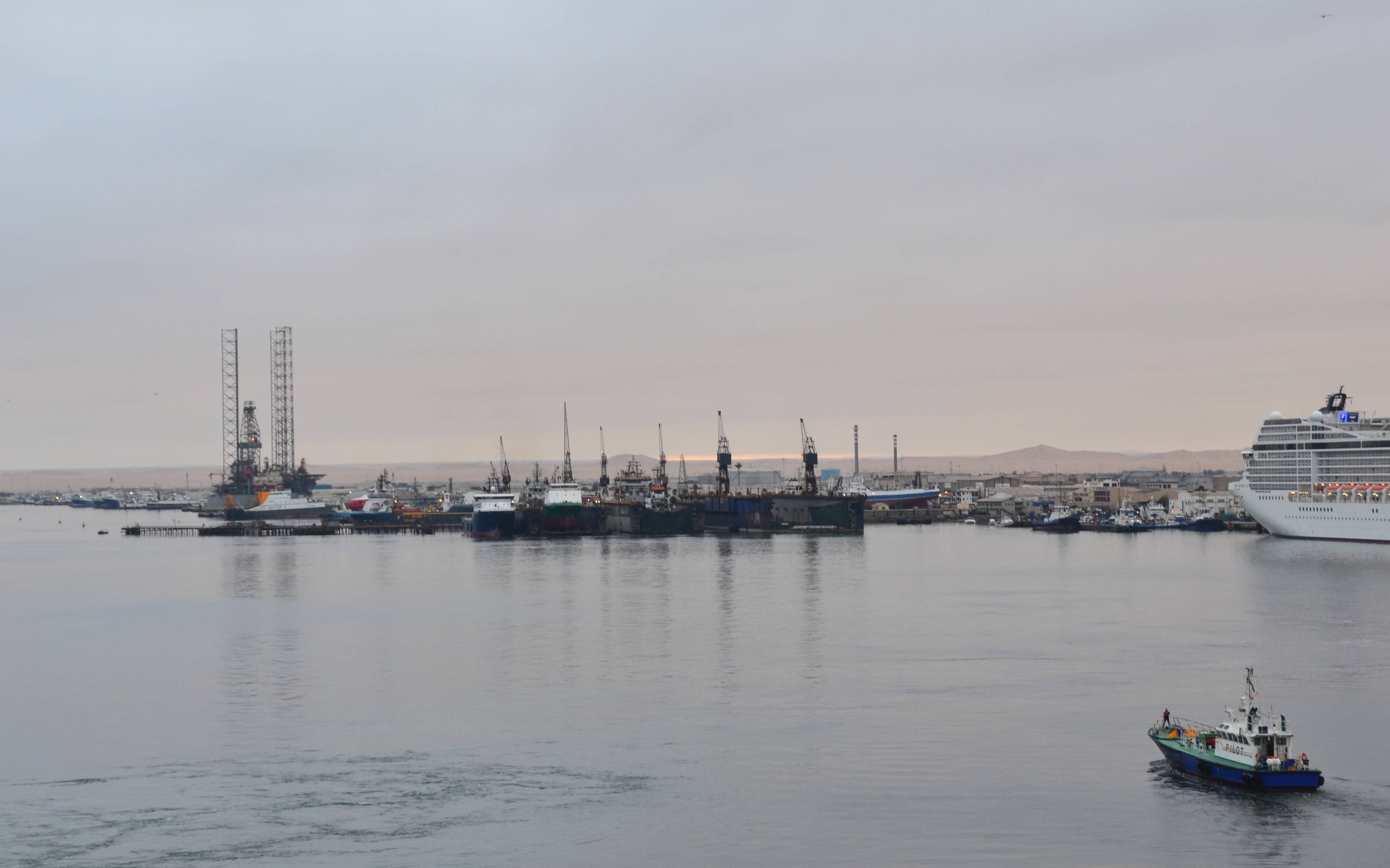
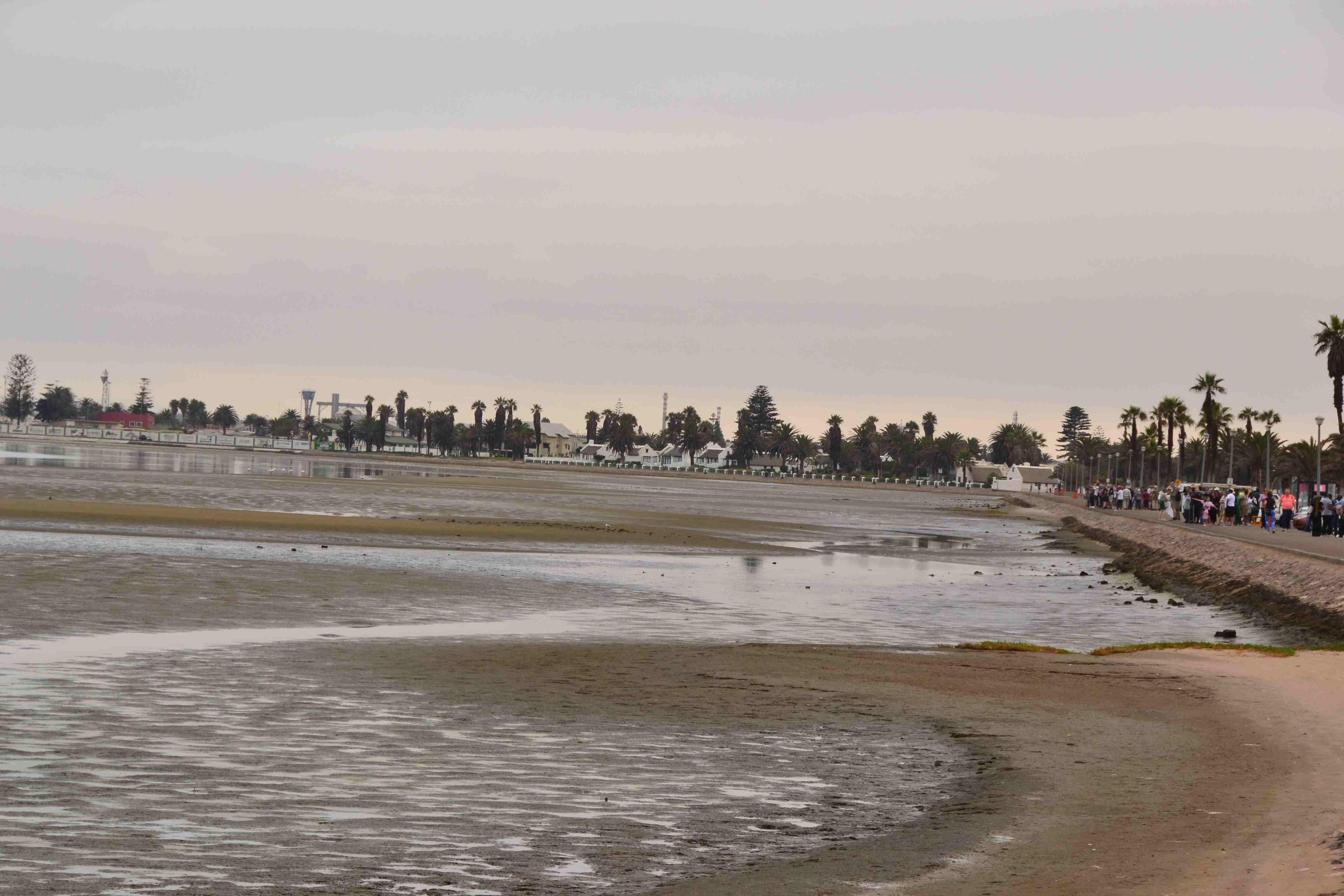


The jeep left the port and began to drive towards Walvis Bay. Around the port, we noticed something was not quite the same as any other ports. We generally saw old buildings and warehouses around the ports in any of the other ports. But the buildings around the Walvis Bay Namibia port were different. All we saw were many newly developed buildings and luxurious homes. We were pleasantly surprised and quite impressed. Later when I checked the status of living in Namibia through the internet, I found that the country is rich in mineral resources (incl. diamonds and uranium). Because of these resources and strong governance and institutions, apparently it is an upper-middle-income country. No wonder, I thought.

In our jeep, there was one tourist with professional binoculars. Unlike us, he was a serious bird watcher, we thought. So, in the beginning, most of the conversations were held between the driver who also had binoculars and this keen passenger. The driver kept pointing out some birds along the way and the two of them were discussing and guessing the name of the birds. But unfortunately, others in the jeep could hardly see any of them as the birds were so far away from the road. That was somewhat disappointing and embarrassing.


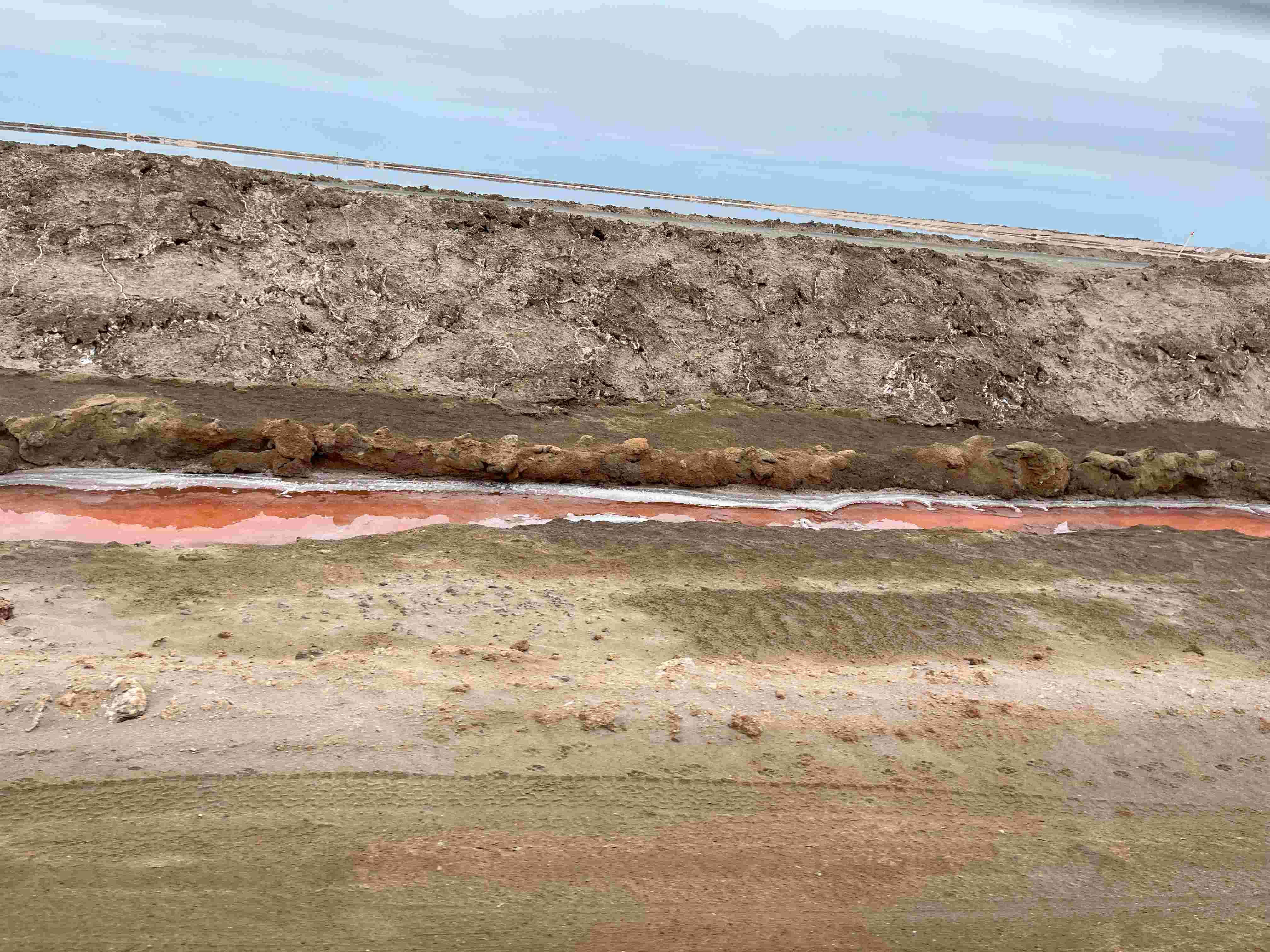
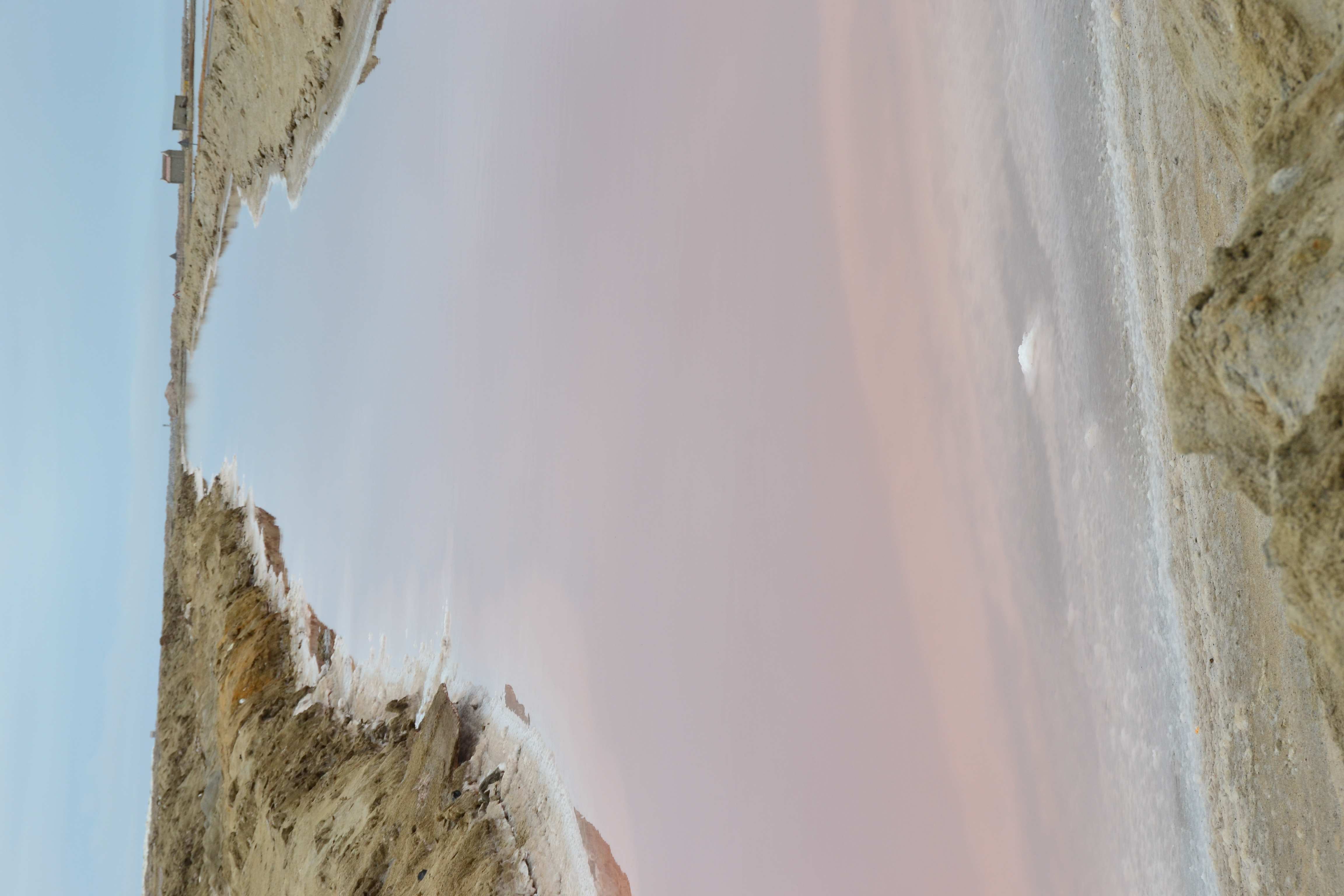
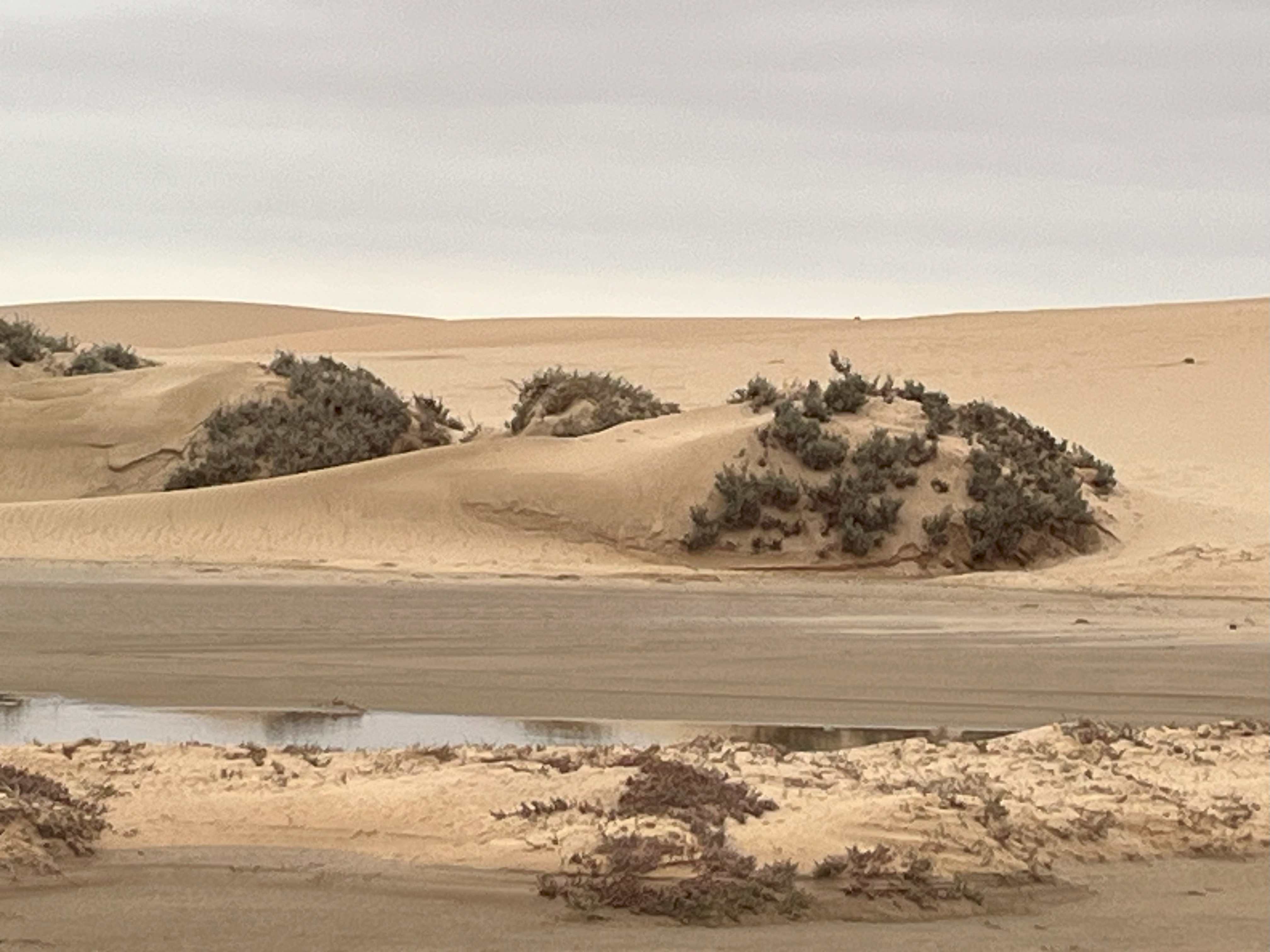
However, the different landscapes and vegetation in Walvis Bay were quite impressive. We saw a salt mine and a factory there which was similar to the one in Bonaire in the Caribbean. The difference between the one in Bonaire and Walvis Bay was the color of the salt. Starting with a stream of red and white salt water along the road, it became wider and wider. Then we saw a wide river with white salt around and the center was filled with pink salty water. The place was called Pink Lakes of Walvis Bay, which is a natural wonder, and we found it strikingly beautiful. Even the bushes around the lake were pinkish/purplish red as shown below. Out of curiosity, I picked up some sand and found that even the sand contained some kind of reddish/purplish minerals. No wonder everything around the area created different scenery - scenery that we have never seen before.






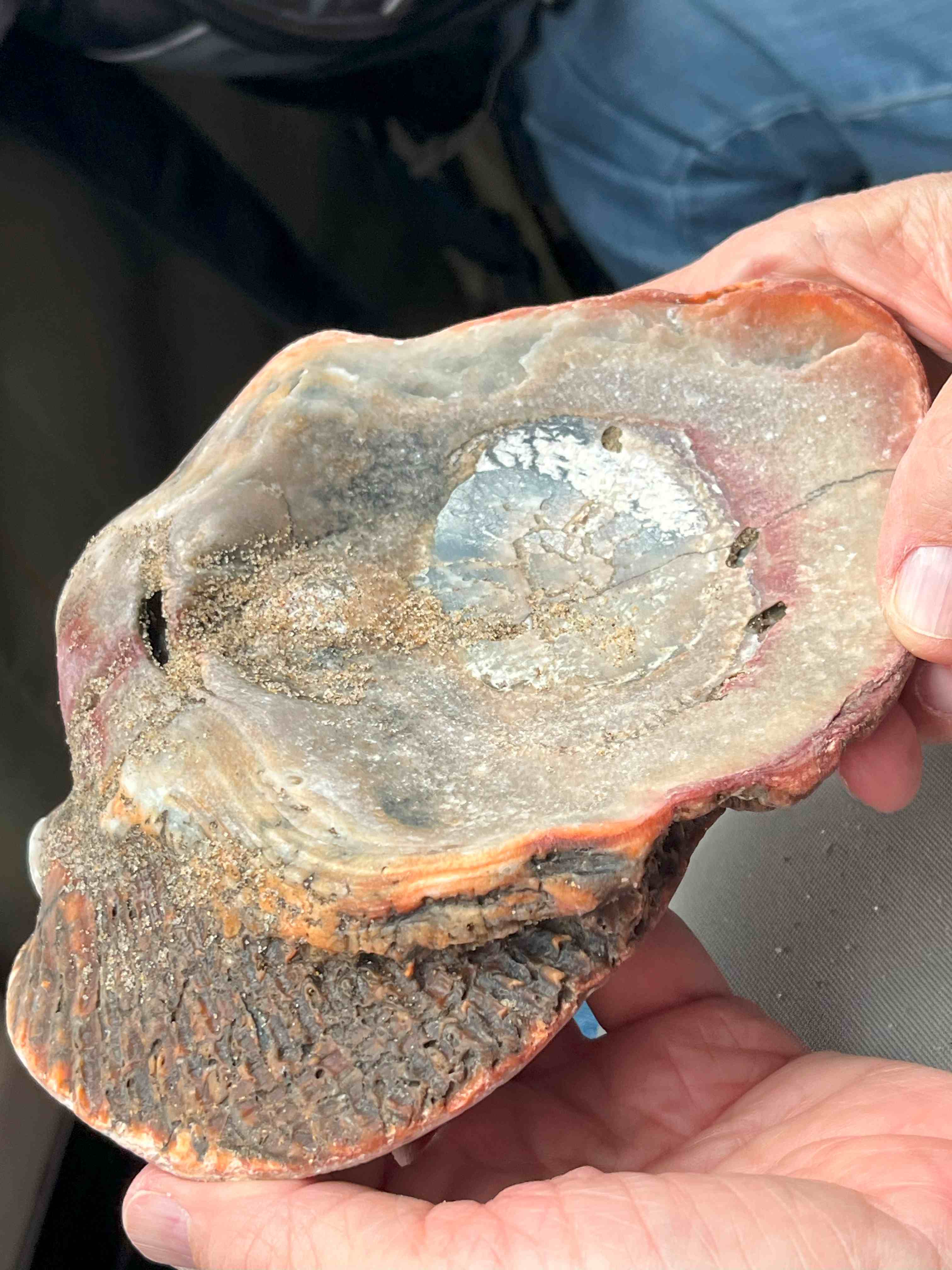
Then the jeep skirted through the dune areas. The driver skillfully maneuvered through the sandy area along the gentle slopes. Suddenly he stopped in the middle of nowhere and got out of the jeep. We began to wonder what he was doing. Outside of the door of the jeep, he brushed the sand off and brought something he found in the sand into the car to show us. Then he excitedly told us that it was two giant fossilized shells stuck together. According to him, it would be very precious and expensive. We had to agree, as they were quite something to see.


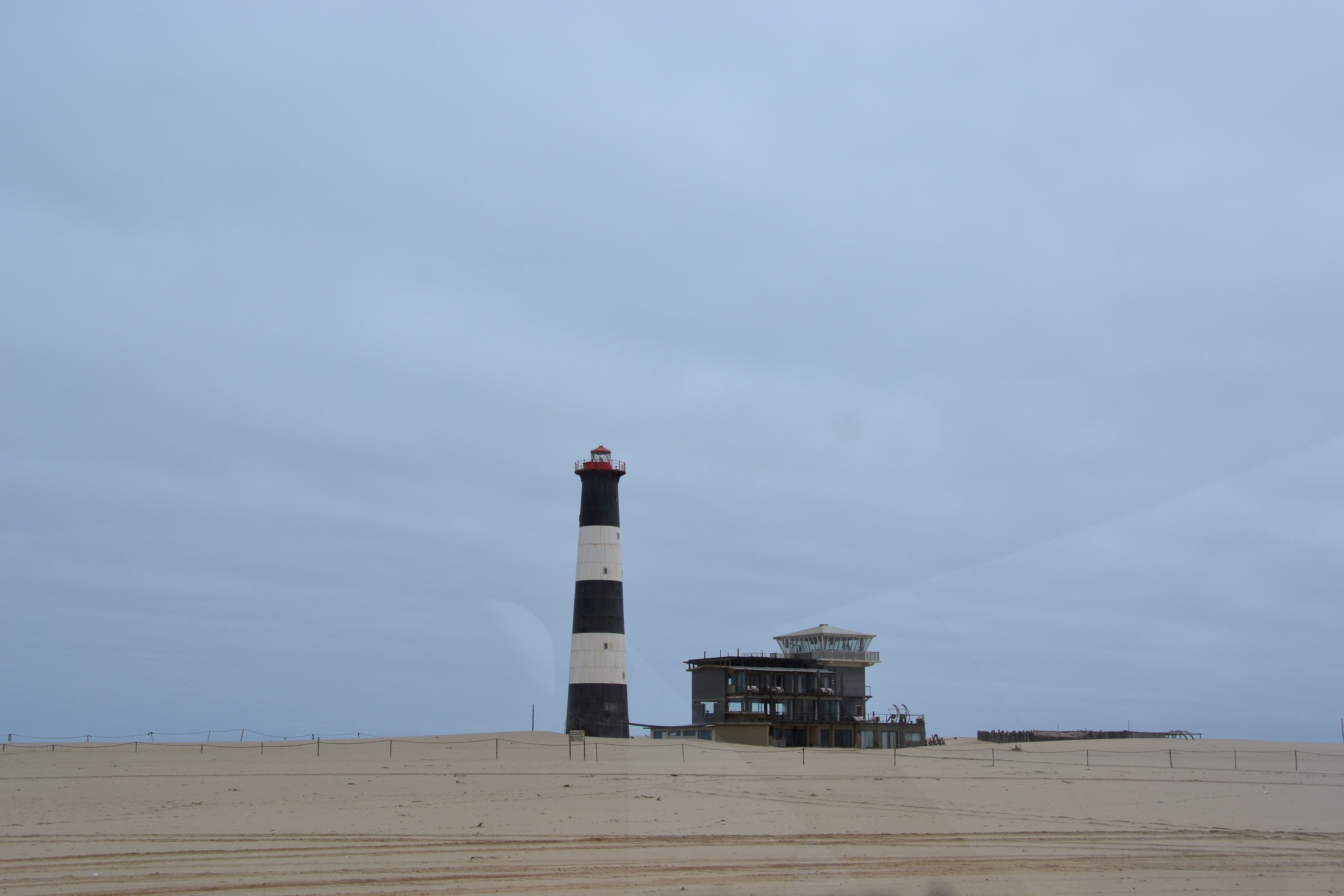
As the jeep approached the sandy shore, we could see a light house. It was called Pelican Point Lighthouse which overlooked the Atlantic Ocean from the Pelican Point peninsula. We didn’t stop there but kept driving to approach a Seal Colony on Pelican Point, which wasn’t too far away from the lighthouse. There, we saw thousands of seals along the shoreline. It was really something to see. Then we noticed that there were many dead seals a little away from the shoreline. Some were half decayed. According to the guide, 25% of the seals won’t survive around there and wound-up dying on the shore. How sad, I thought.


There, the driver offered us a small bottle of water. I drunk it as I thought it would be safe to drink if the bottle was sealed completely. But I found that it was a big mistake. I began to feel sick that night and for the next two days. Fortunately, the ship didn’t visit any ports for the next 2 days. On the 2nd day, I visited the ship doctor and consulted with him about my sickness. After talking to him for 10 minutes or so, he prescribed 10 Pepto-Decimo pills ($30 US) and 10 Thirsts Quench Powder packages ($10 each). The doctor’s visit ultimately cost us $270 US dollars. I was surprised to find out the prescriptions alone cost us ½ of the treatment. Apparently, all passengers had access to free medical treatment for stomach problems on board if you waited in your own cabin, but we missed the notification. Good thing that we had insurance in Canada to cover it. When we returned, our chiropractor told us that his friend who visits Africa takes 1 Pepto-Decimo tablet per day to prevent diarrhea. It was too bad that we didn’t find out this trick before we began our African trip.
