African Cruise
Photos by Philip and Yoko Galvin
In March 2025, we decided to take an18 day West African Cruise starting from Cape Town (South Africa) to Lisbon (Portugal). Here is the list of stops we made:
- Cape Town, South Africa
- Walvis Bay, Namibia
- Luanda, Angola
- Sao Tome, Sao Tome
- Abidjan, Ivory Coast
- Dakar, Senegal
- Santa Cruz, Tenerife, Canary Island (Spain)
- Las Palmas, Grand Canary Island (Spain)
- Lisbon (Portugal)
Cape Town
As we live in Calgary, Alberta Canada, it took 1 ½ days to get to Cape Town with two flights. The first flight we took was from Calgary to Amsterdam (over 8 hours), then the second (over 11 hours) from Amsterdam to Cape Town. We stayed 3 days in Cape Town before boarding our cruise ship. We toured the city and surrounding area in the short time we had available. Though we briefly visited Africa prior to this trip (e.g. Cairo and Alexandria) we had never been in South Africa so we were looking forward to touring around Cape Town.
1. Victoria & Alfred Waterfront
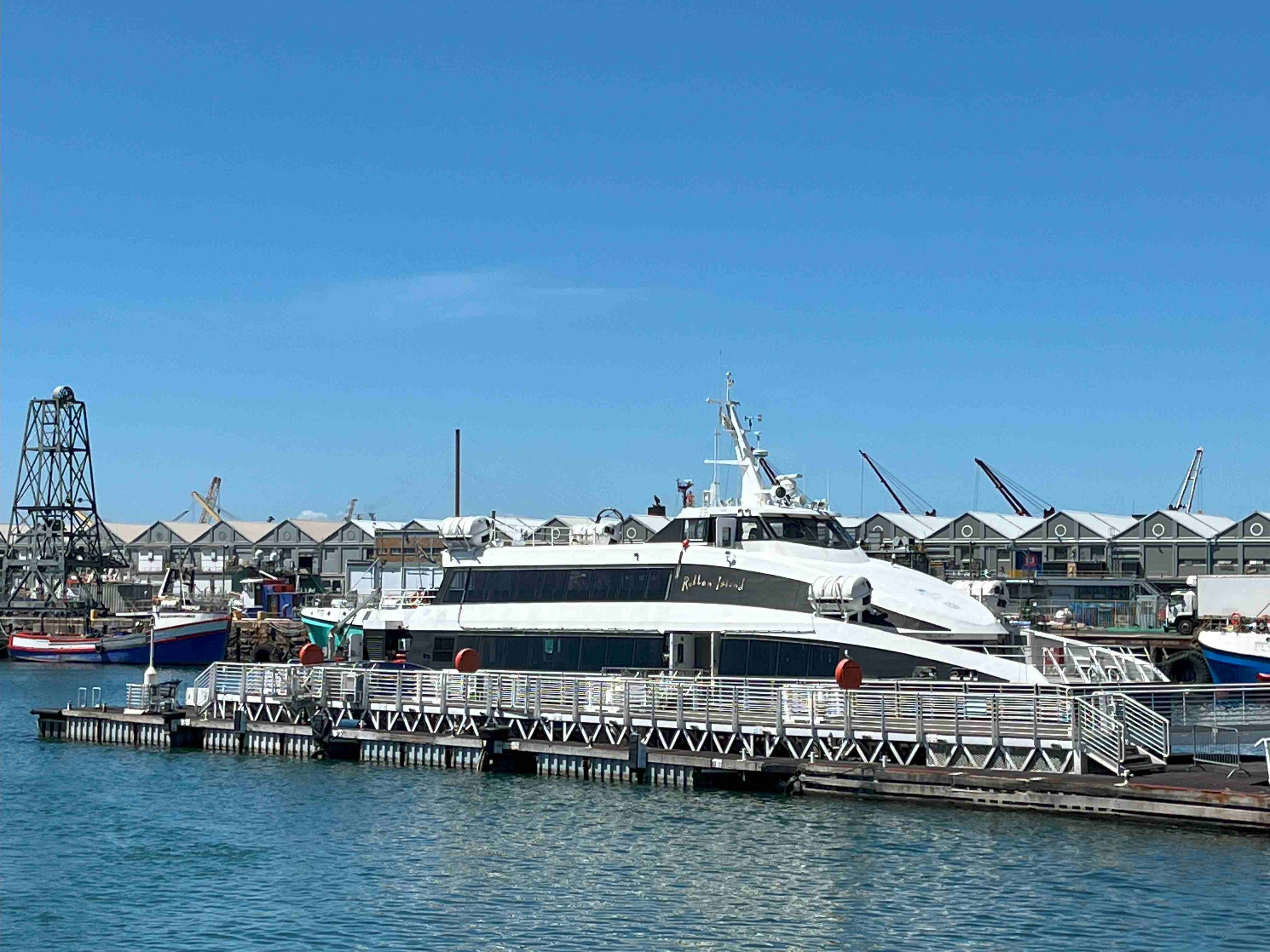
On the first day in Cape Town, we visited Victoria & Alfred Waterfront. It was named after the Royal Family, Queen Victoria and Prince Alfred (Queen Victoria’s 2nd son) when Cape Town was still a British colony. In 1958, serious winter storms wrecked over 30 vessels at the waterfront. In September of 1860, to make the waterfront a haven all around, Prince Alfred tipped the first load of stone to initiate construction of the breakwater for the first harbor in Cape Town.
Prior to entering the Waterfront area, we went through a small business district where we found some architecturally interesting buildings. When we looked toward the north between those newer buildings, we couldn’t avoid seeing Cape Town’s most famous tourist attraction, Table Mountain. We understood why it was called Table Mountain – it was a long mountain with the flat top which reminded us of a table.
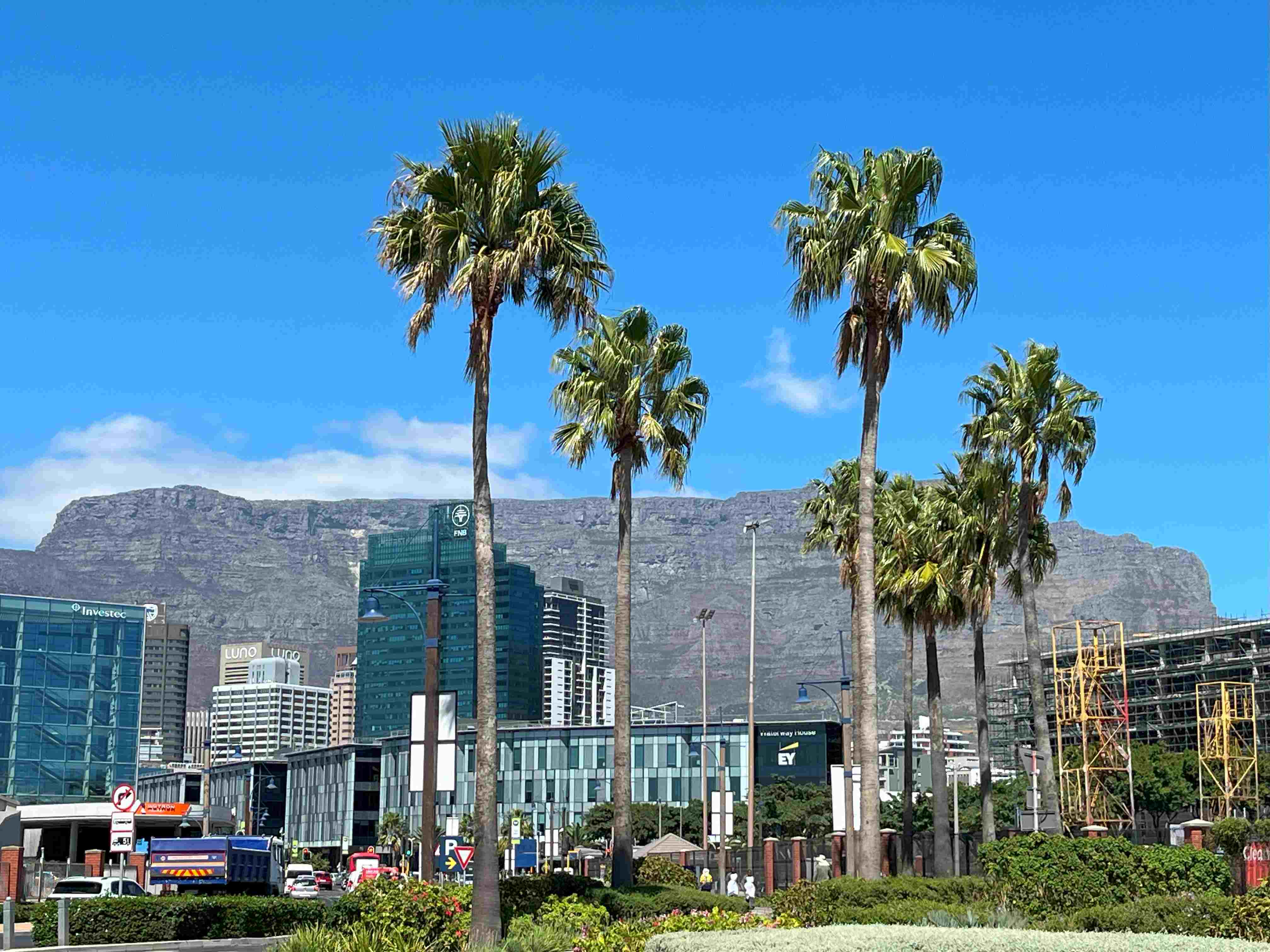
Table Mountain
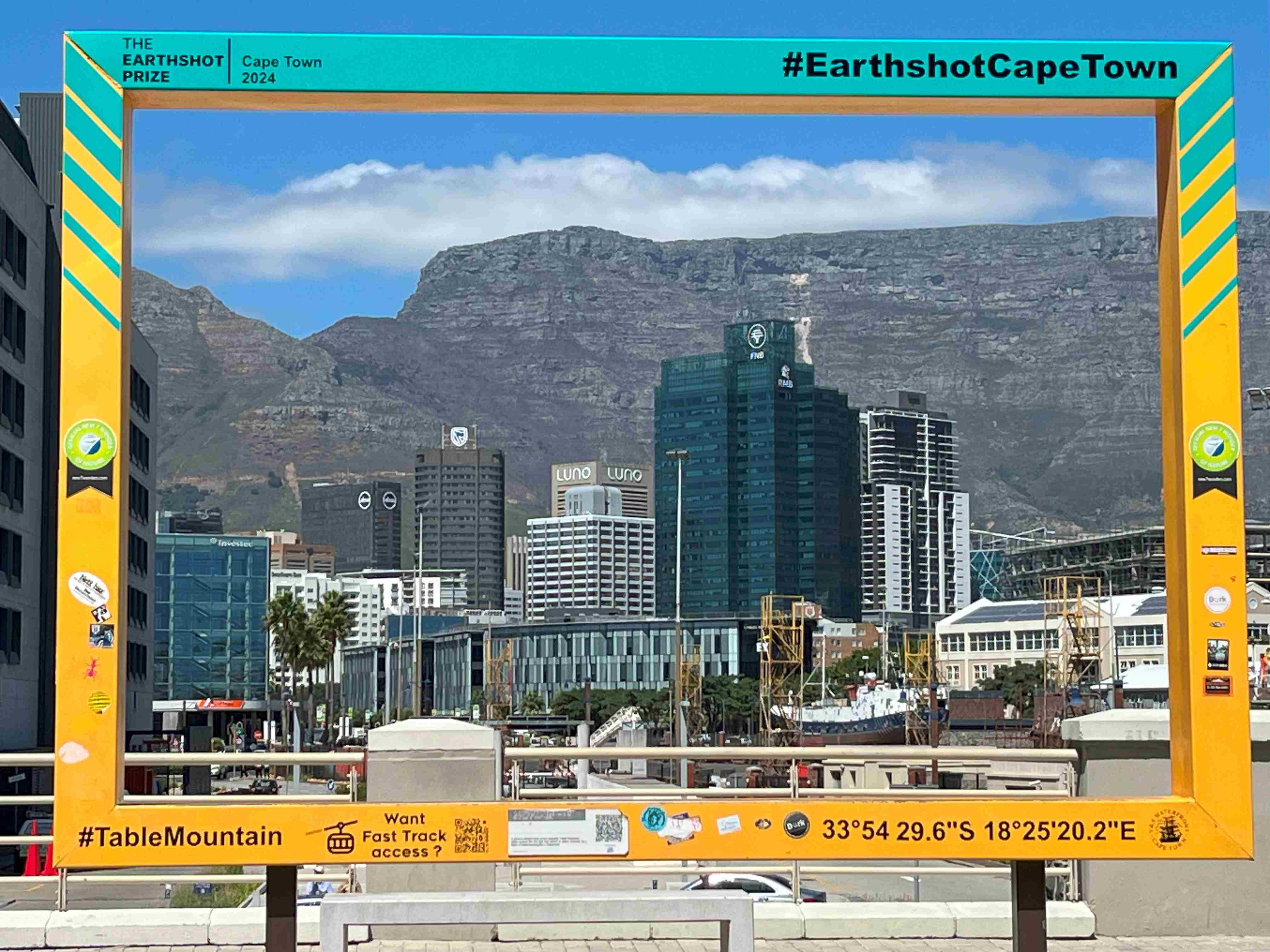
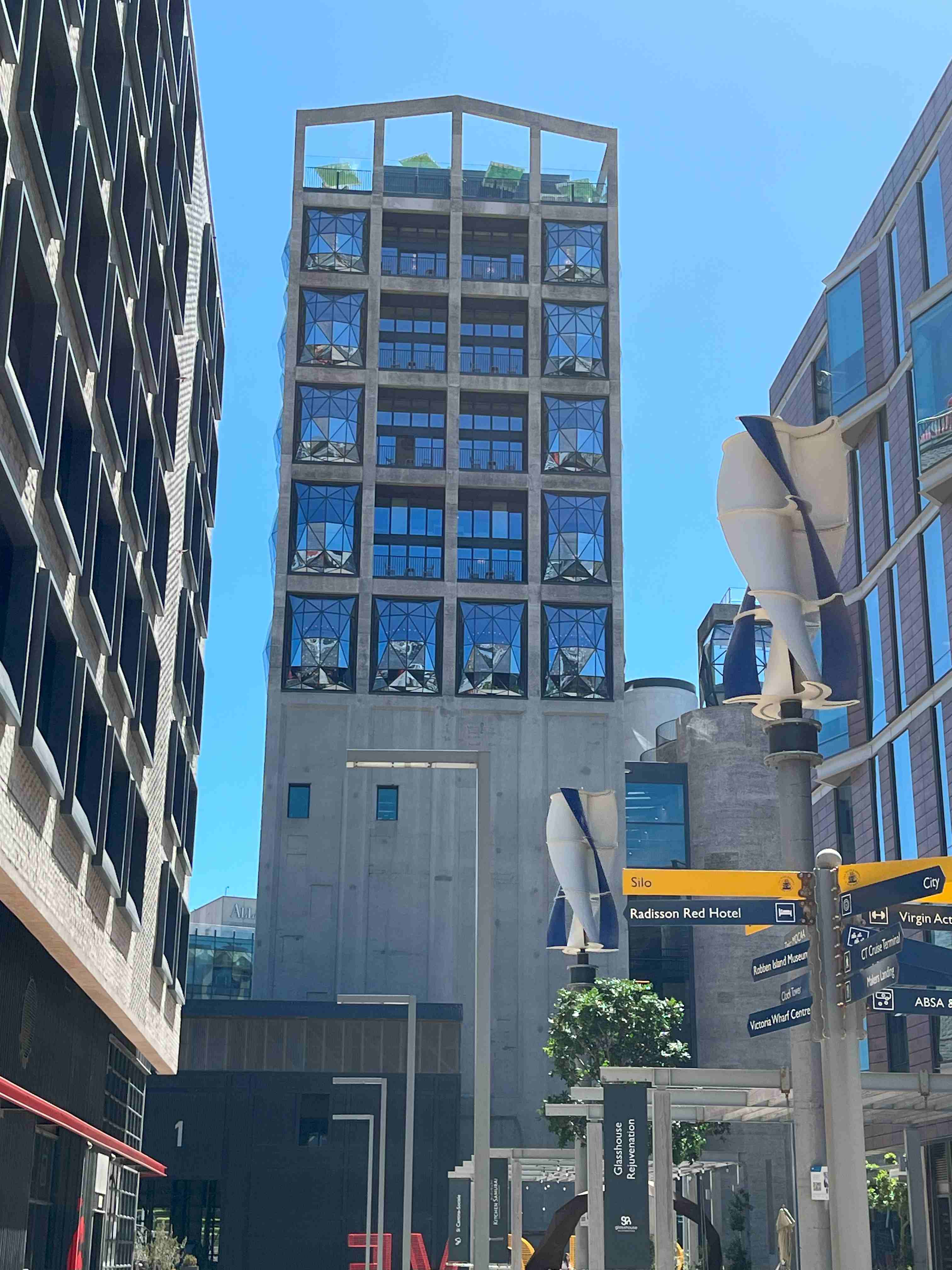
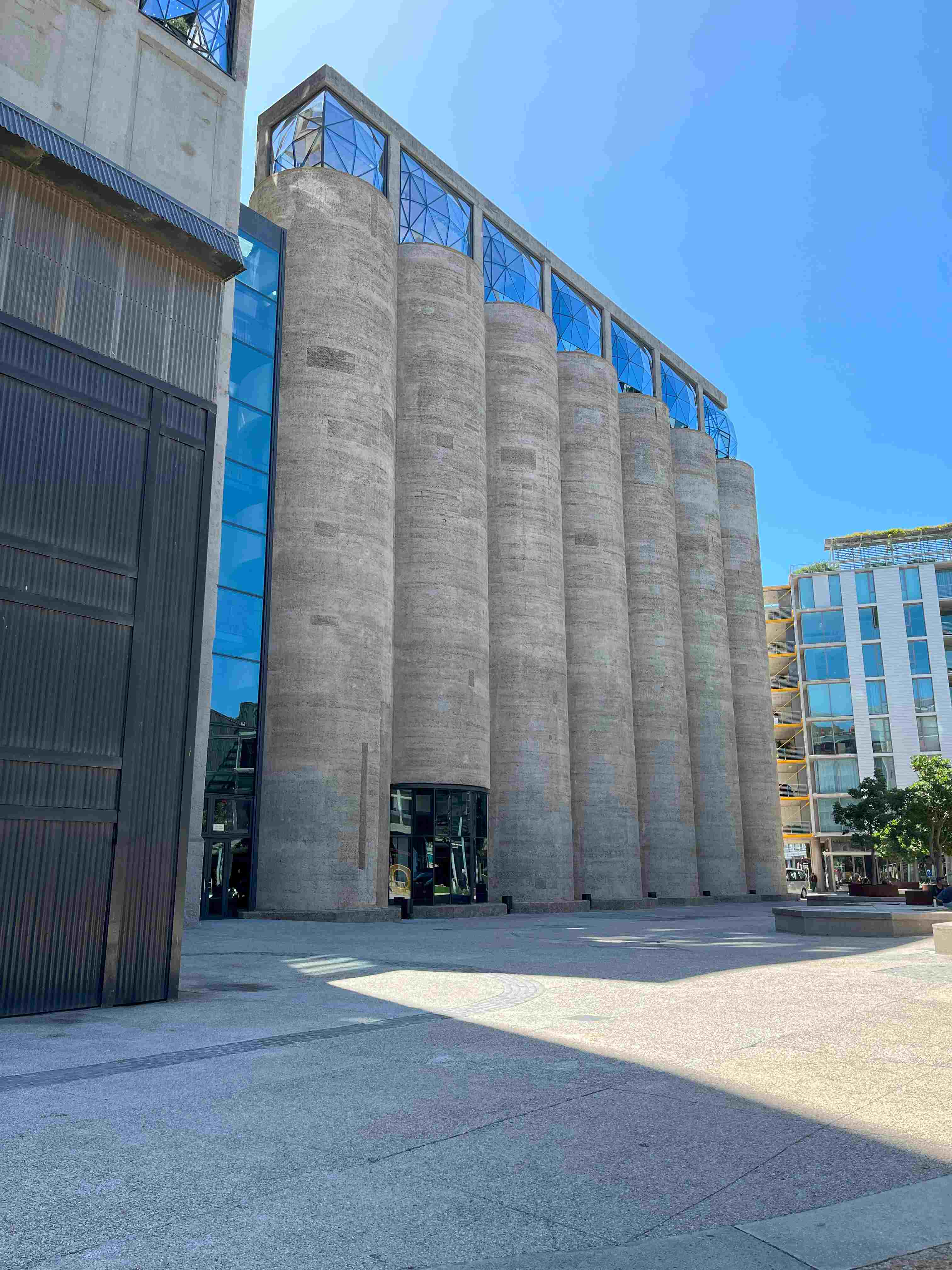

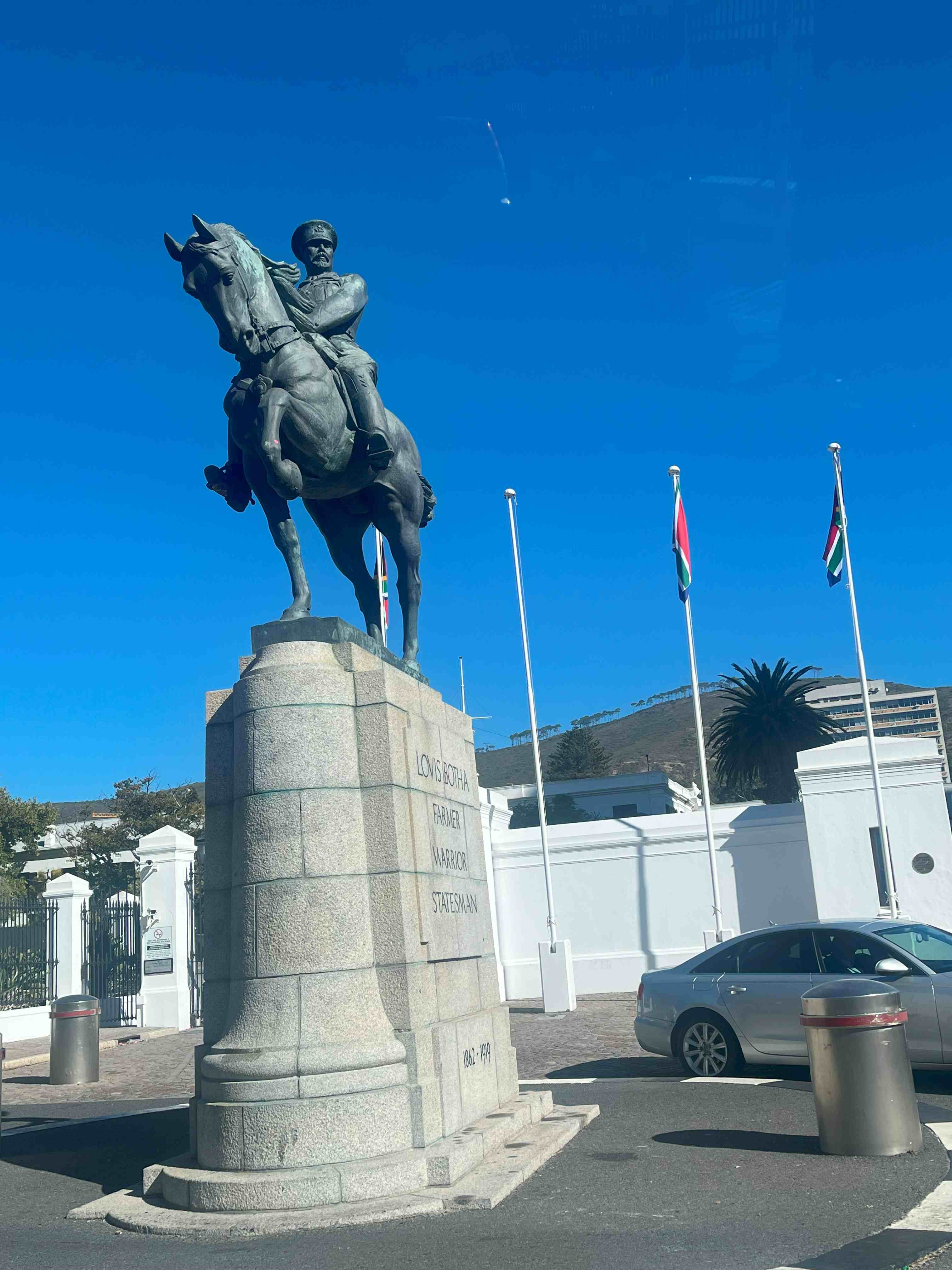
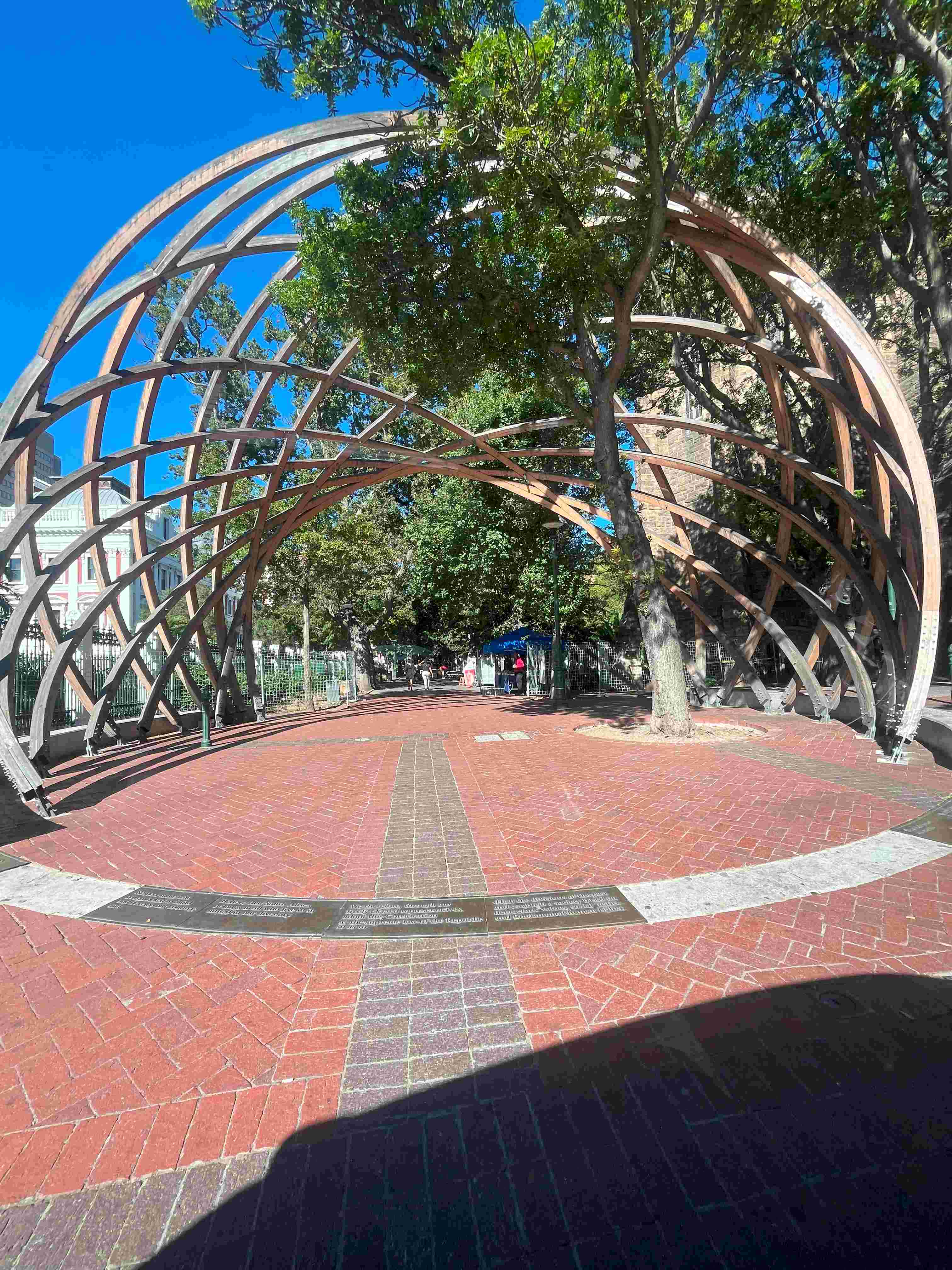
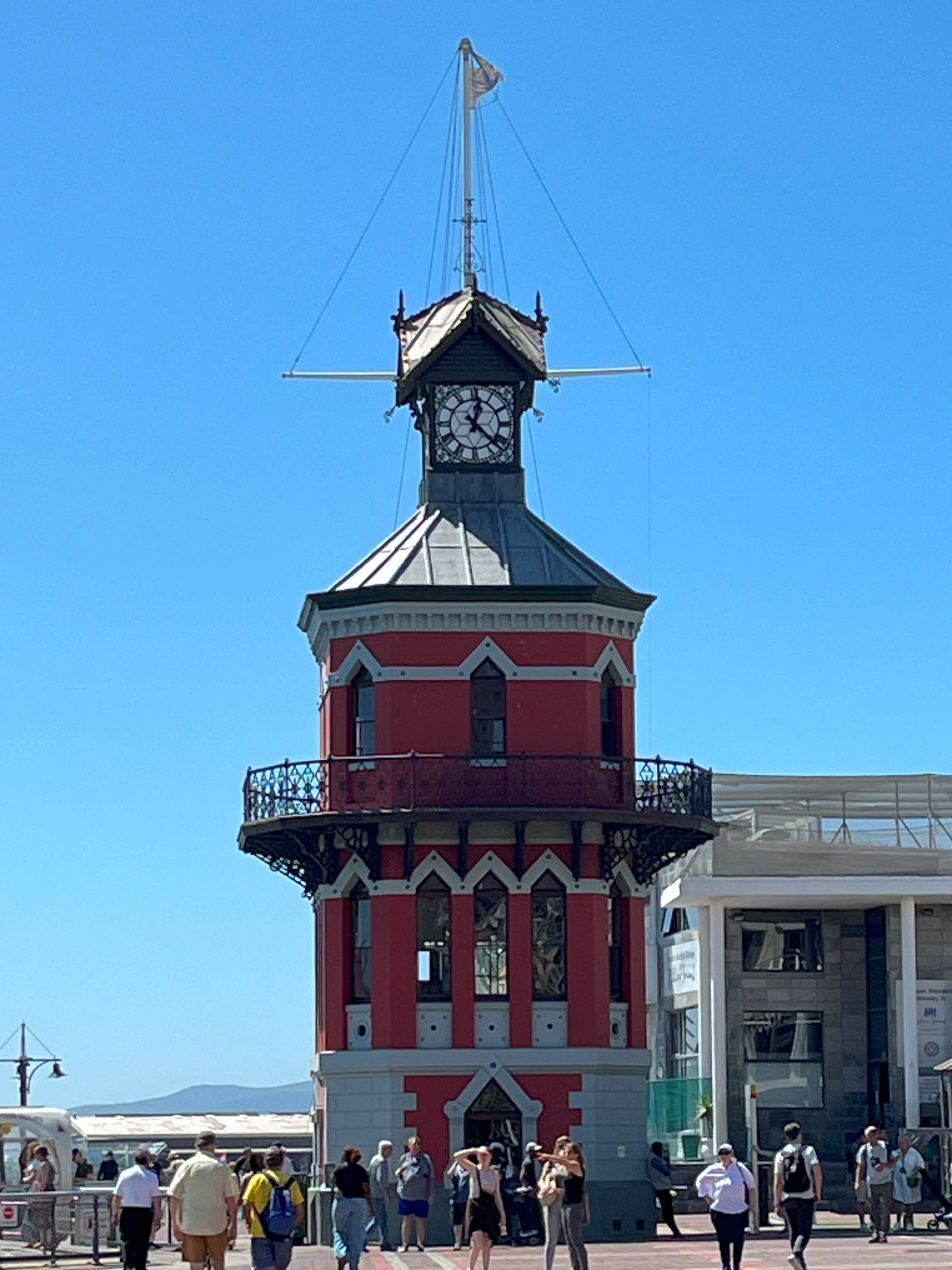
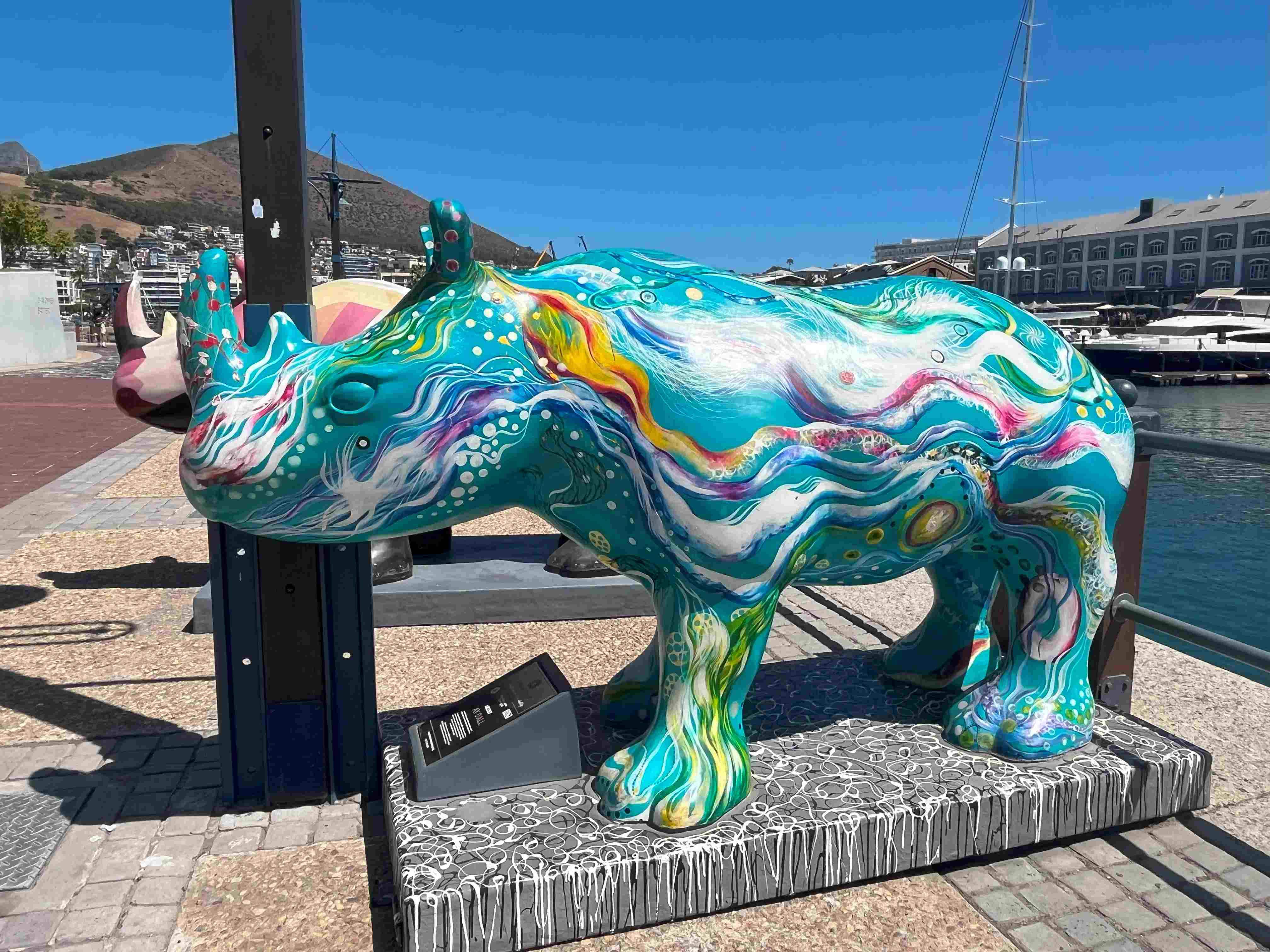
Once we walked across a small bridge in the park, which was occasionally closed to pedestrians when a ship passed through, we arrived in the center of A&V Waterfront. It was quite crowded with visitors when we visited there. Along the streets, we found many restaurants and retail shops including souvenir stores at the Waterfront. We also saw interesting sculptures that were displayed outdoors along the streets. It was more than a typical harbor with many interesting attractions.


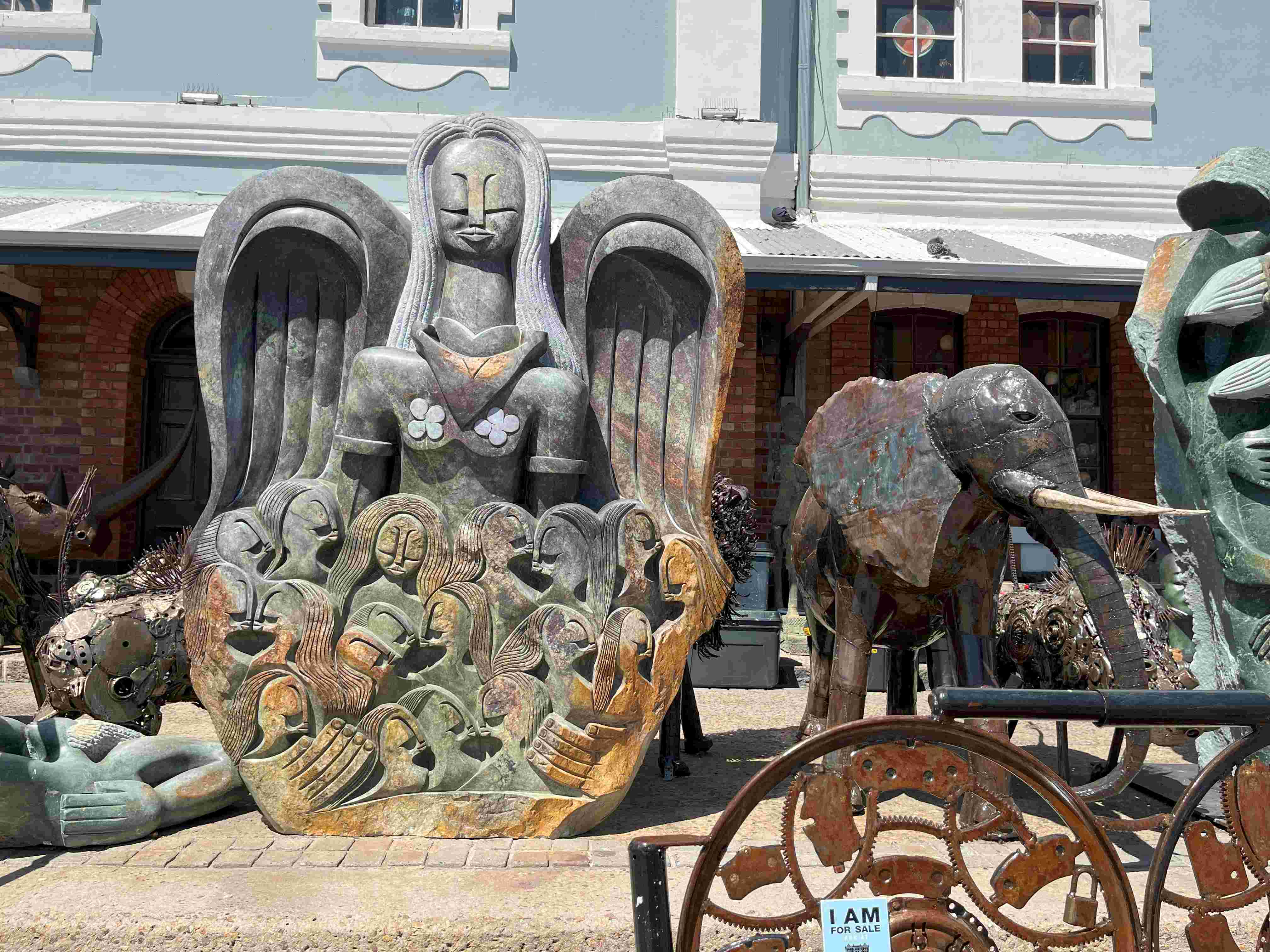
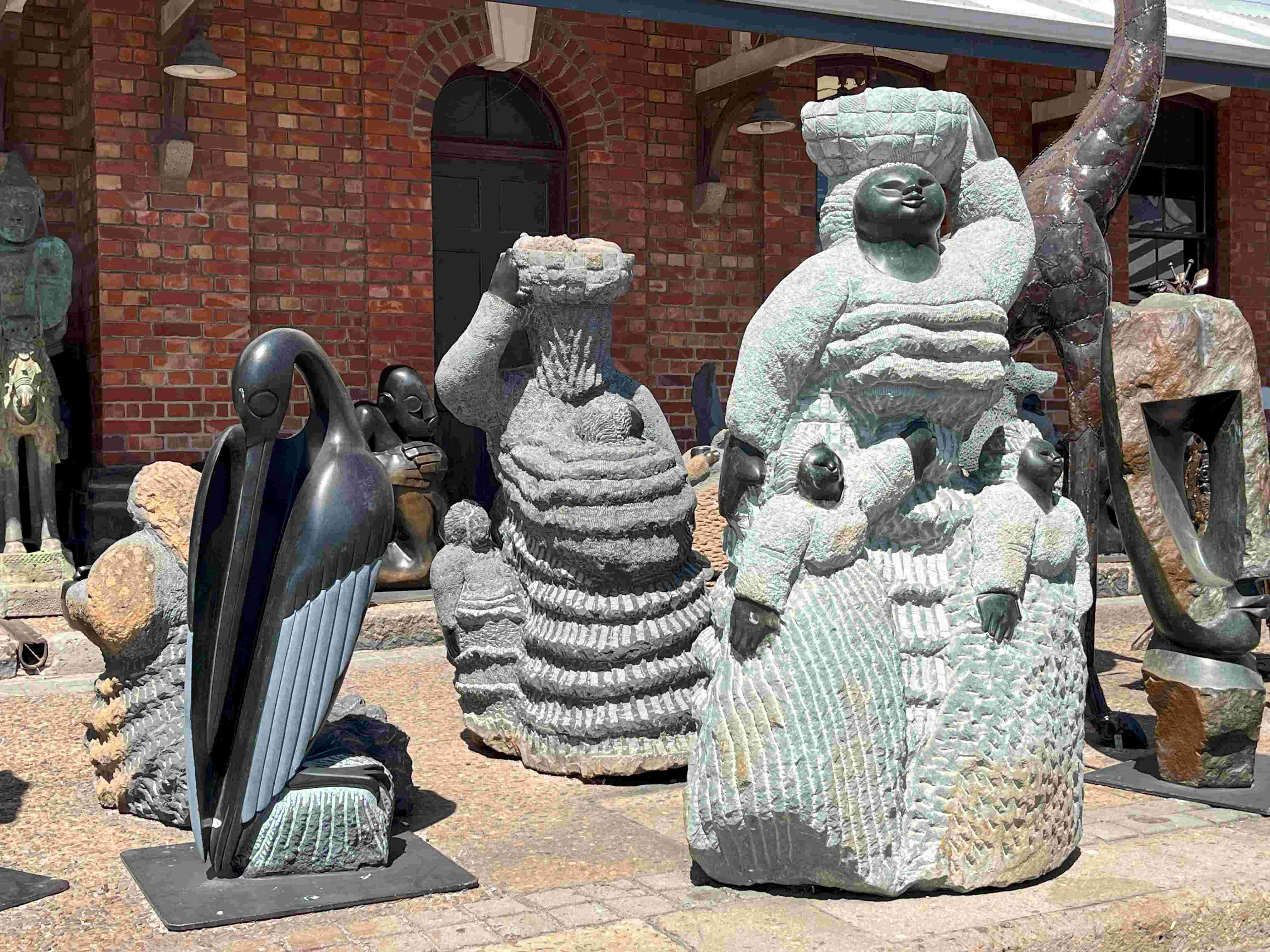

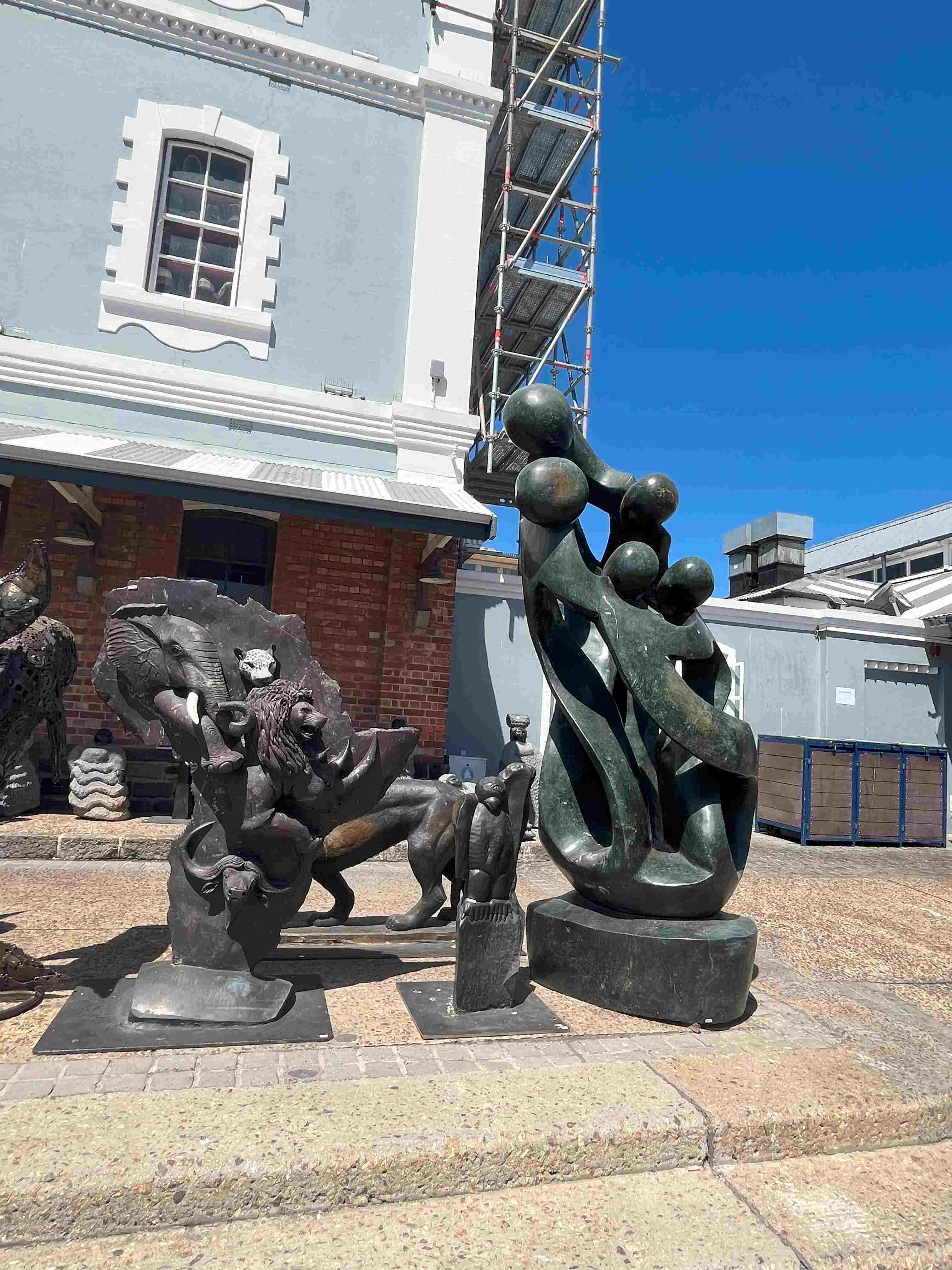
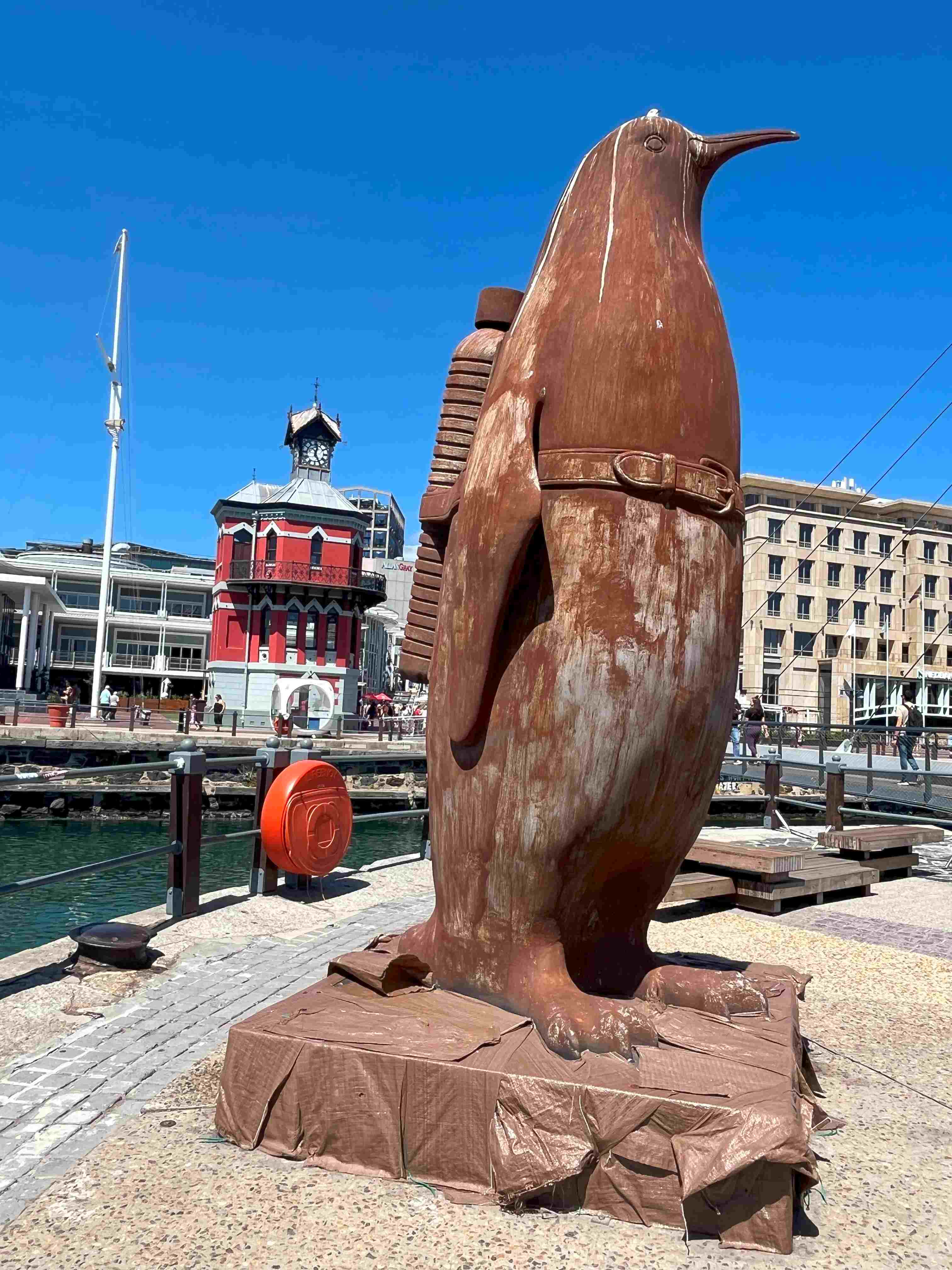
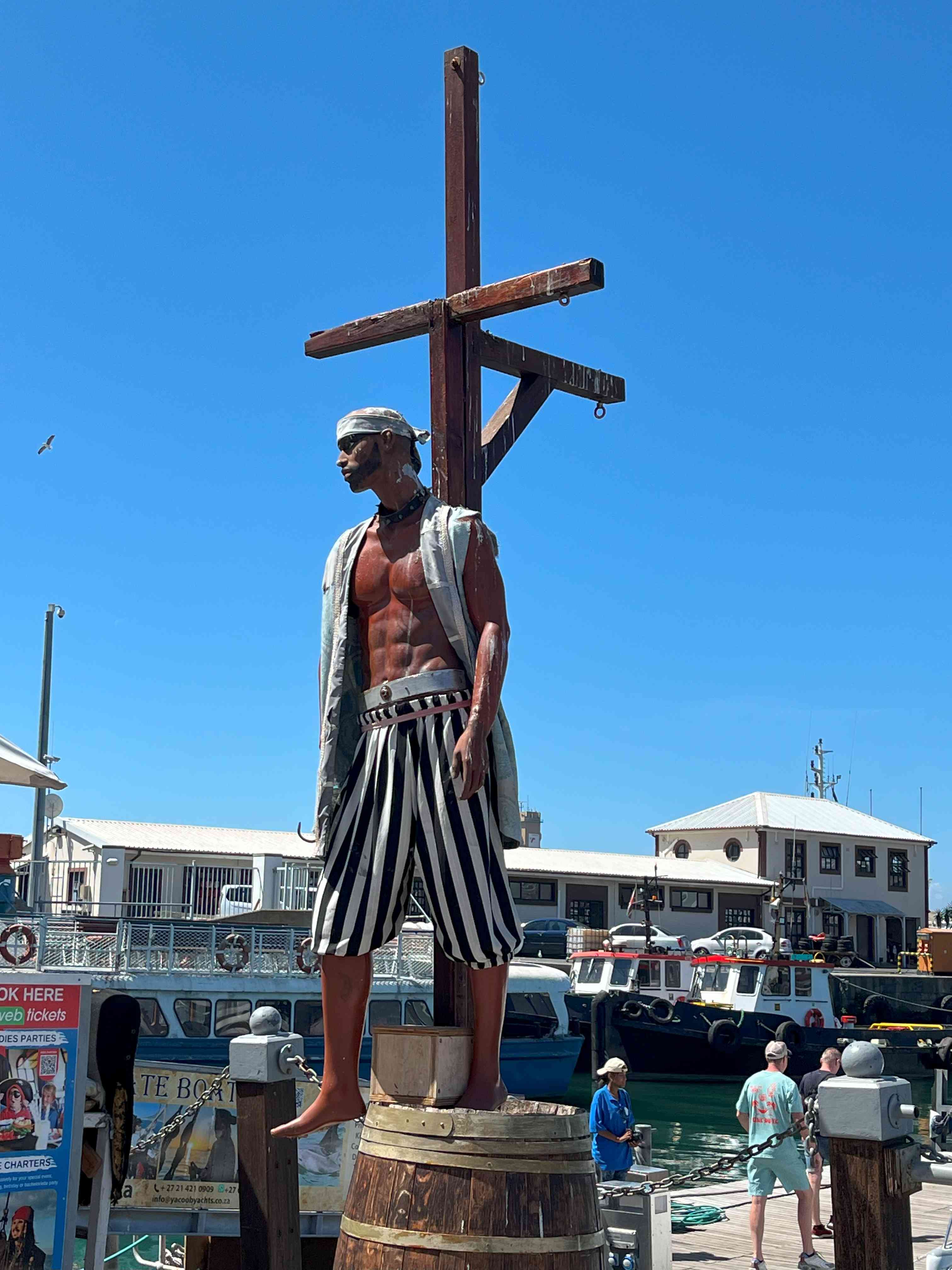
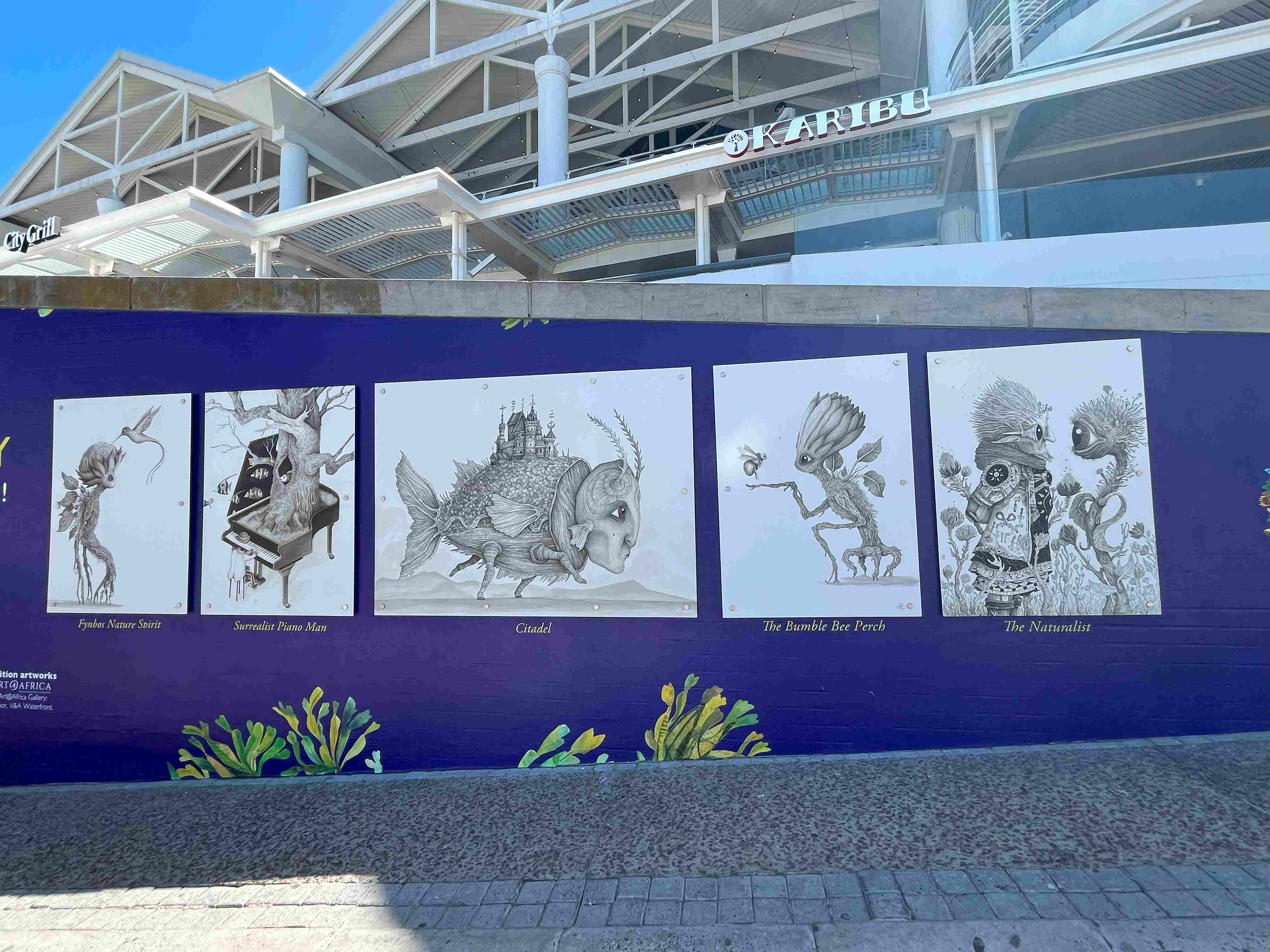
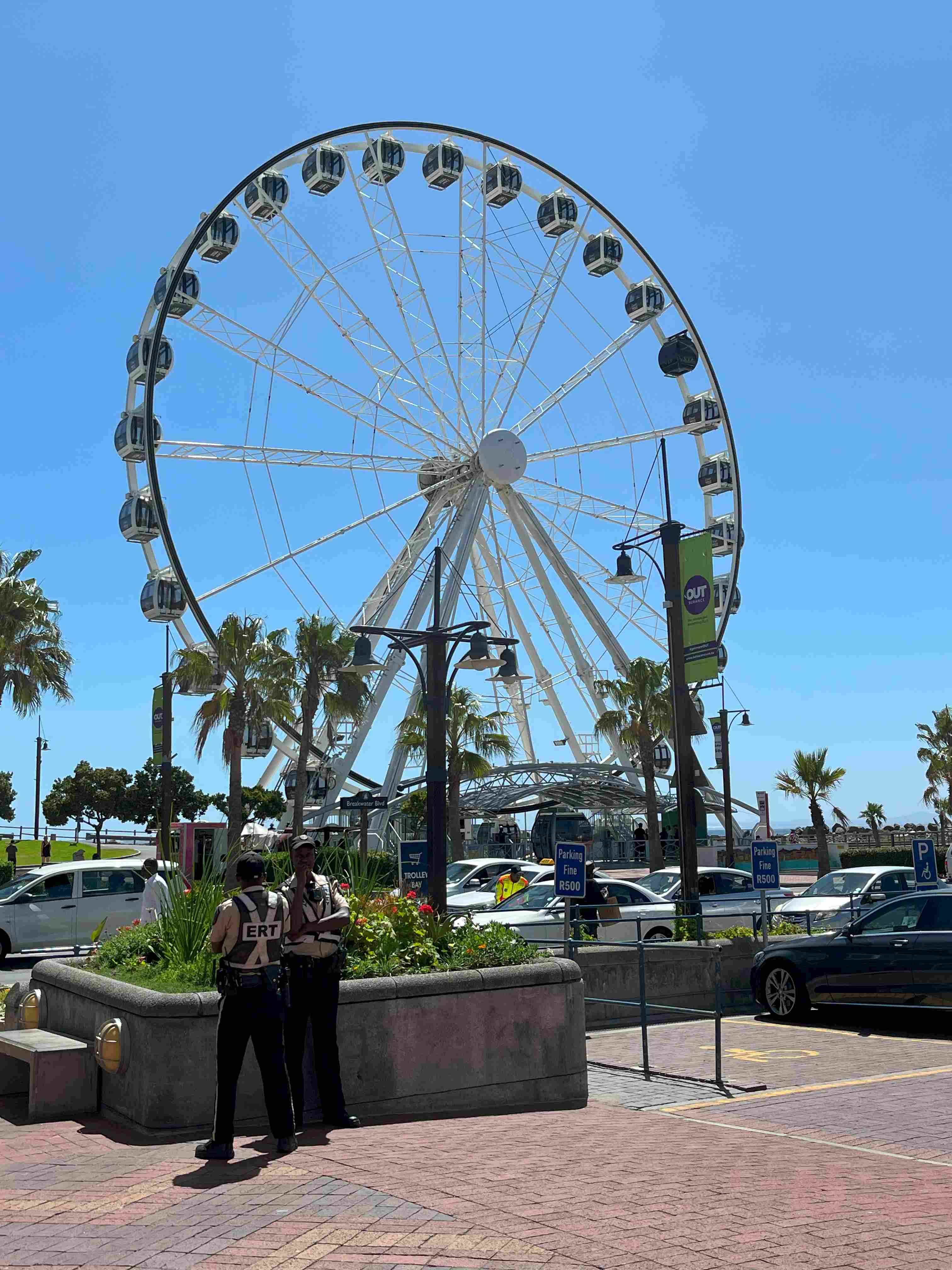
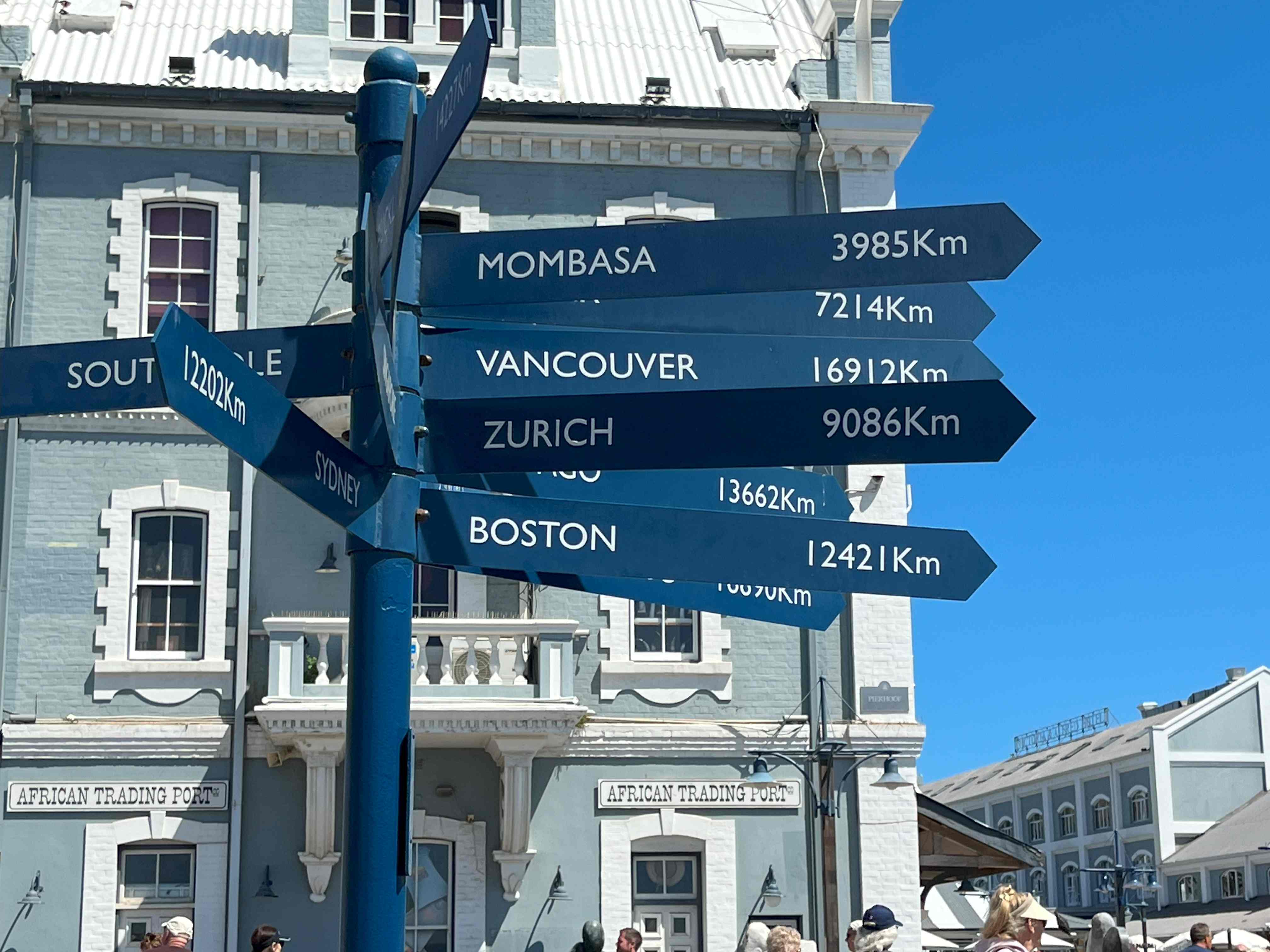

That night, we compared the price of the city tour available through the hotel vs an offer received by the taxi driver who gave us a ride from the airport to our hotel. The taxi driver’s name was Sam. He spoke English very well and his price was very reasonable, so we took his offer to tour around the city.
Bo-Kaap (Malay Quater) in Downtown Area
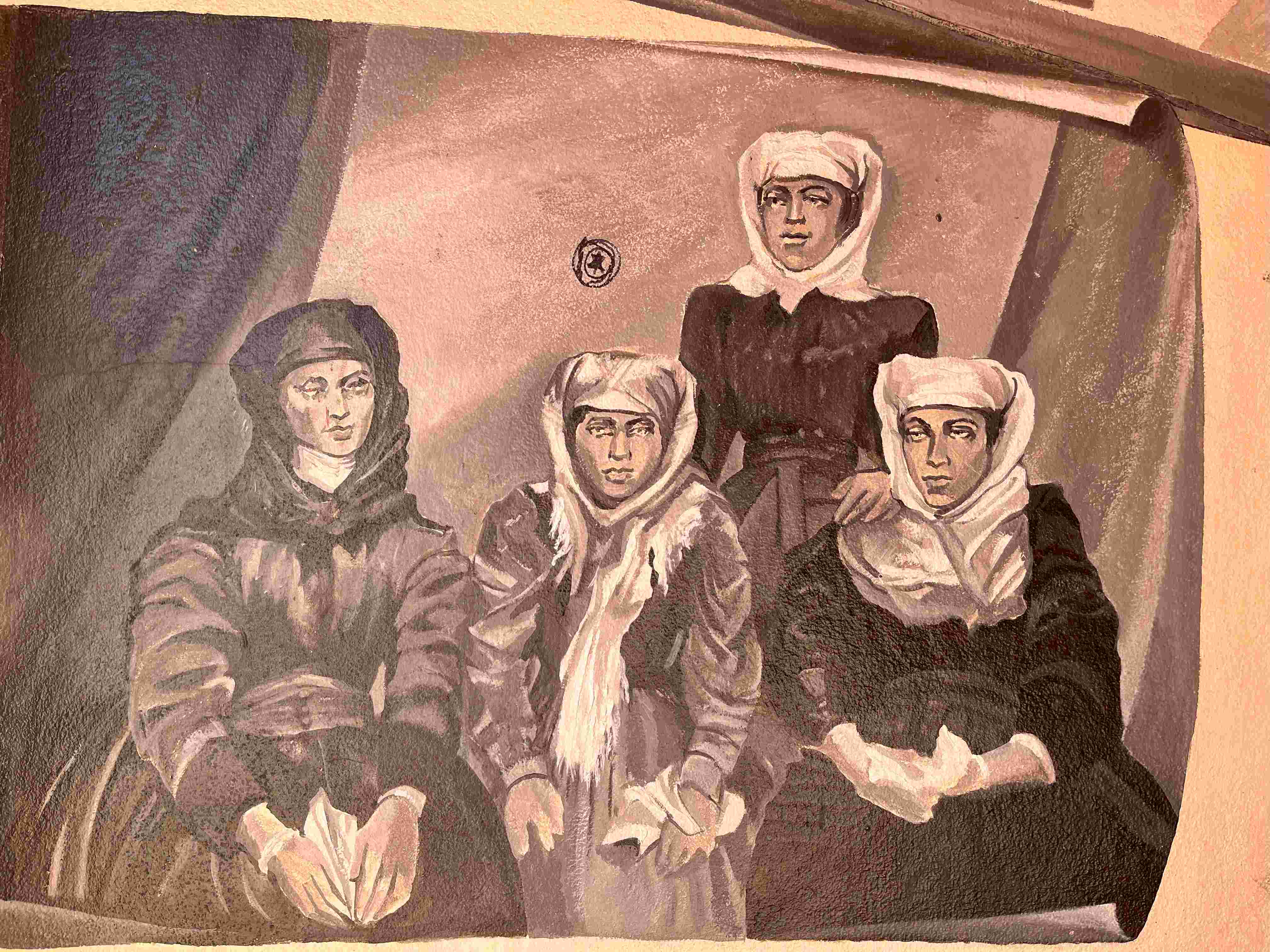
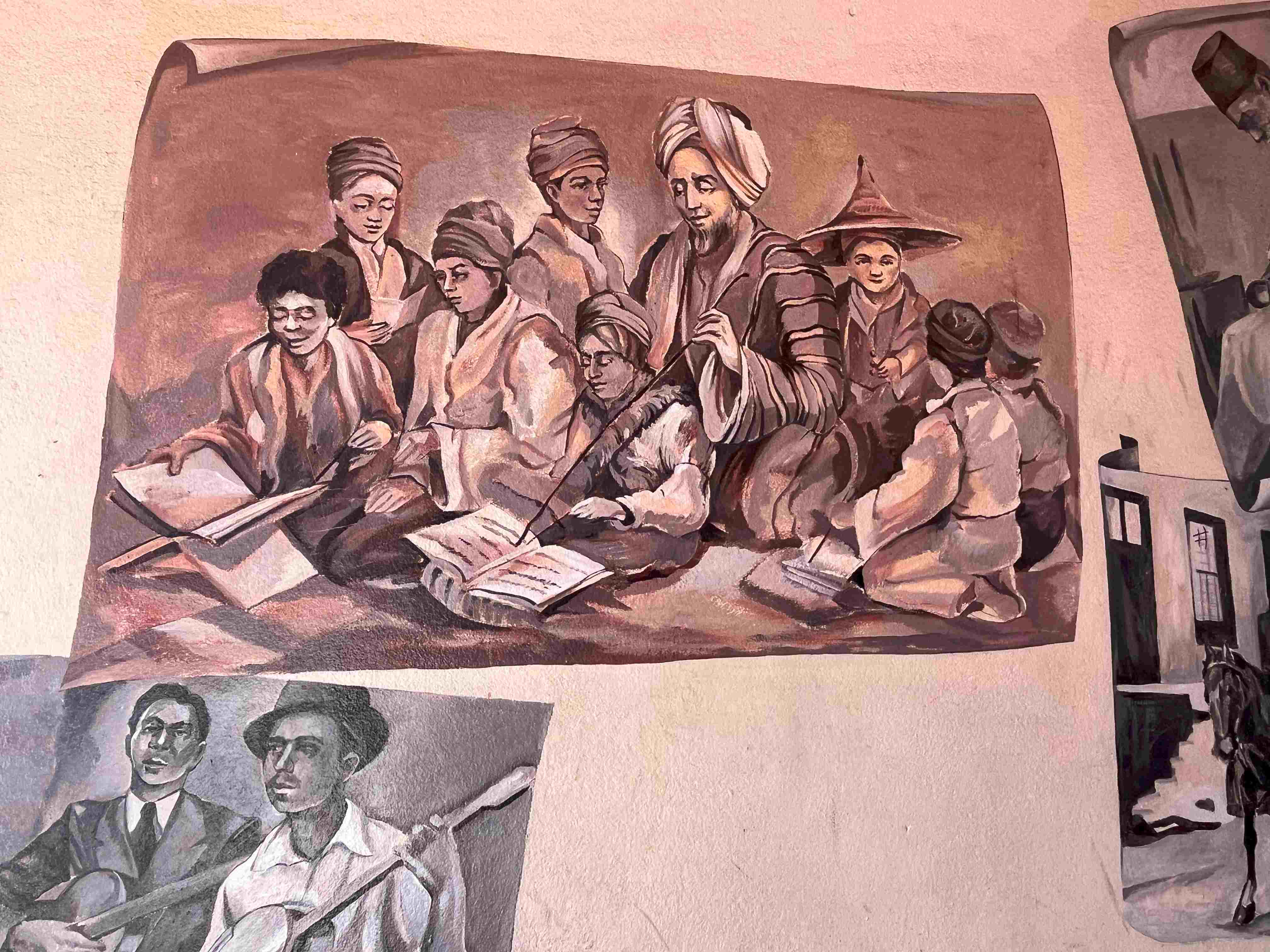
The next day, Sam drove us around the center of the city pointing out the City Hall, DHL Stadium and other large buildings such as a theater. Then he took us to the Bo-Kaap (Malay Quarter) district to visit the Iziko-Bo-Kaap Museum. Around the museum, there were many bright pastel-colored houses which reminded us of Aruba in the Caribbean. They were built on the slopes of Signal Hill above the city center. Apparently, this district is famous because it was a formerly racially segregated area.


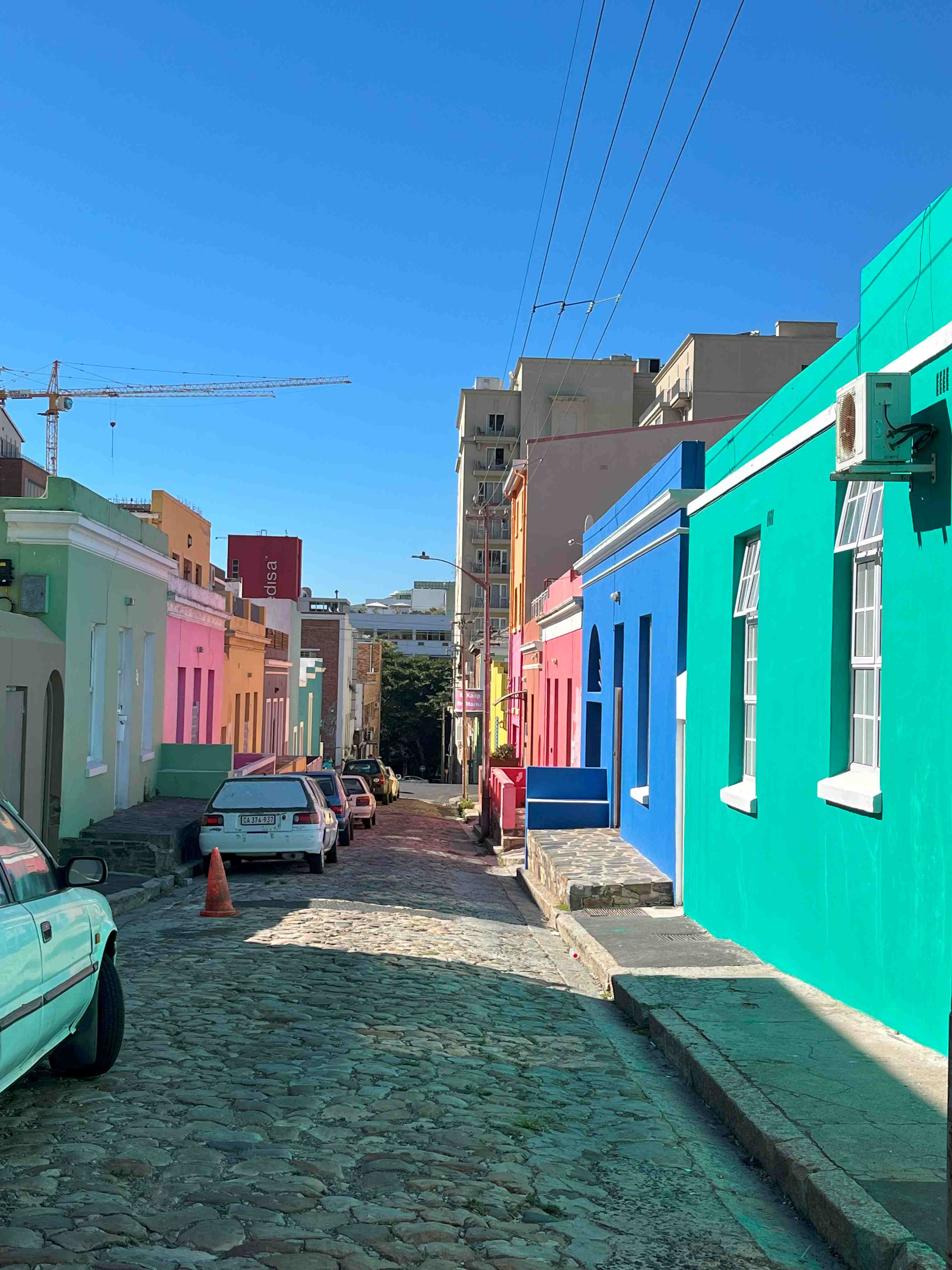


Iziko-Bo-Kaap Museum
As Sam was one of the descendants of the Malaysian immigrants, he was quite animated when explaining about his ancestors’ life in Cape Town. According to him, his great grandfather was royalty in Malaysia but wound up in Cape Town as a slave. It sure sounded as if the taxi driver tried very hard to regain his dignity by telling us his rich ancestors’ story. I appreciate his motivation as my mother used to talk about her ancesters who were related to Maeda Clan (very famous shogun in Japan).


Driving Around Table Mountain
Then the driver suggested that he would drive us around Table Mountain which eventually took 4 – 5 hours to complete the entire circle. He first took us to the cable car station located at the bottom of Table Mountain. Along the way, we saw one of the famous mountain peaks called Lion’s Head. When we arrived at the station, there was a long line up, so we decided not to get a lift to the top of the mountain as we didn’t want to waste our time just lining up in a que.


Lion's Head
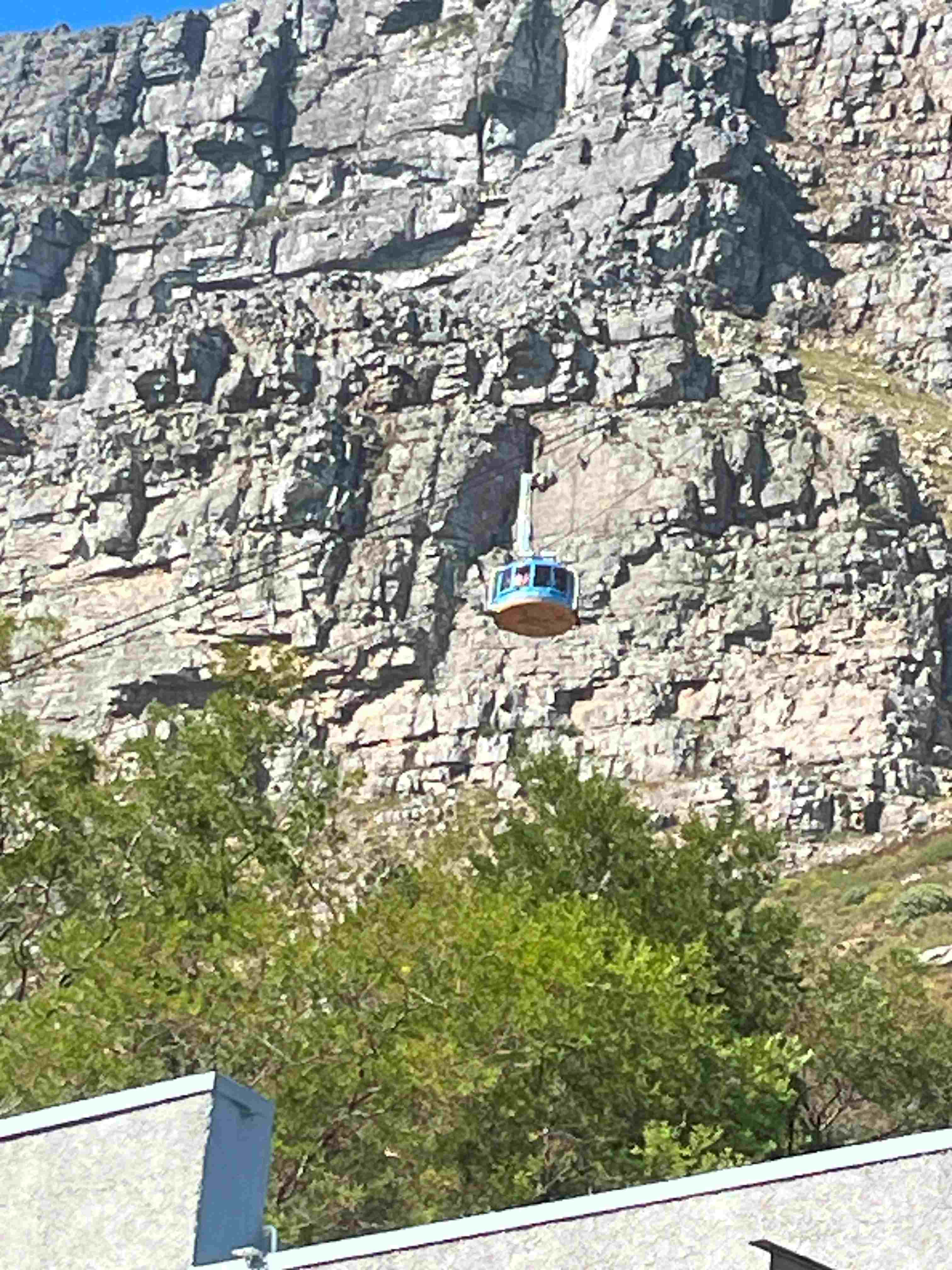

Cable Car

View of Cape Town from the cable car station
Hout Bay
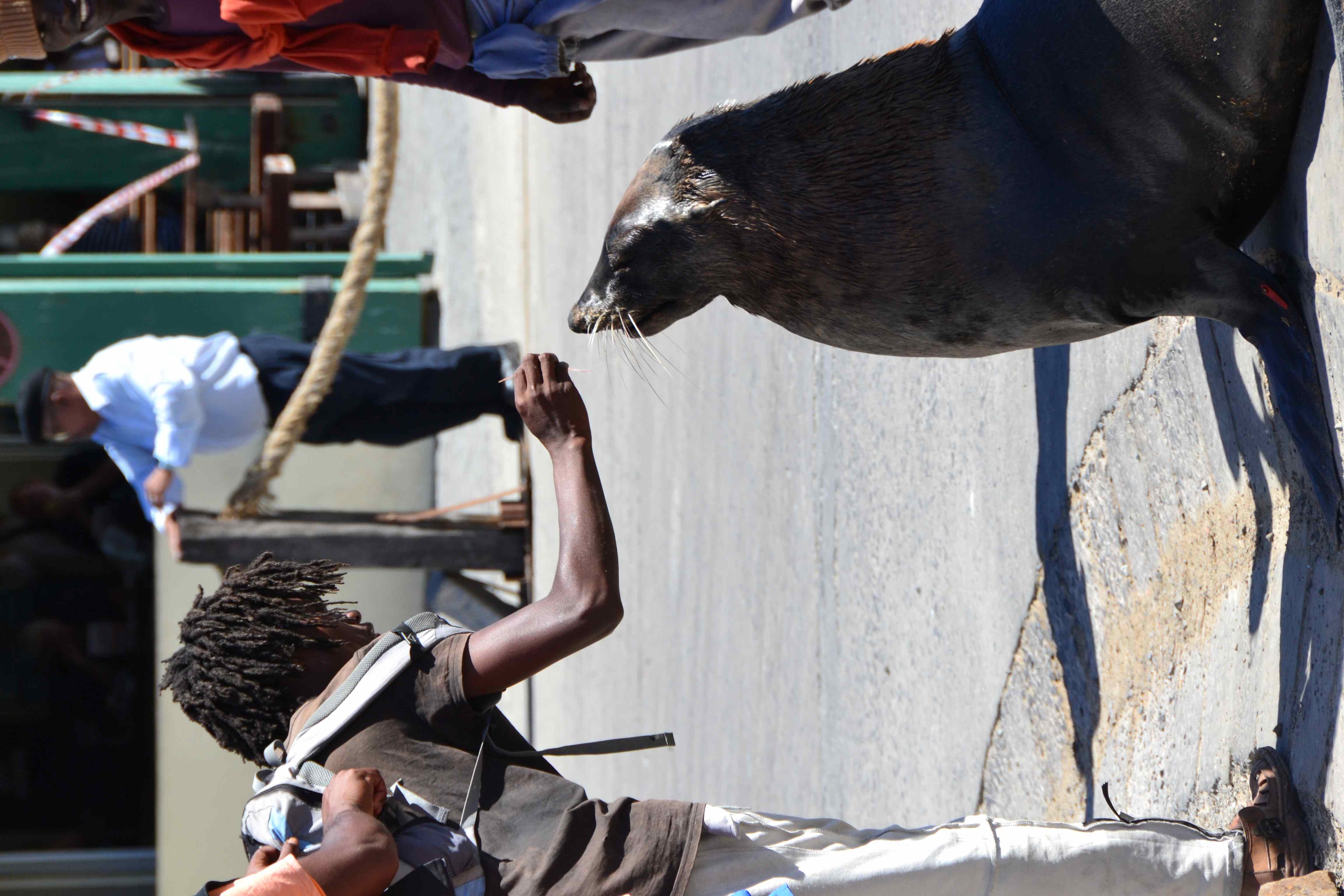
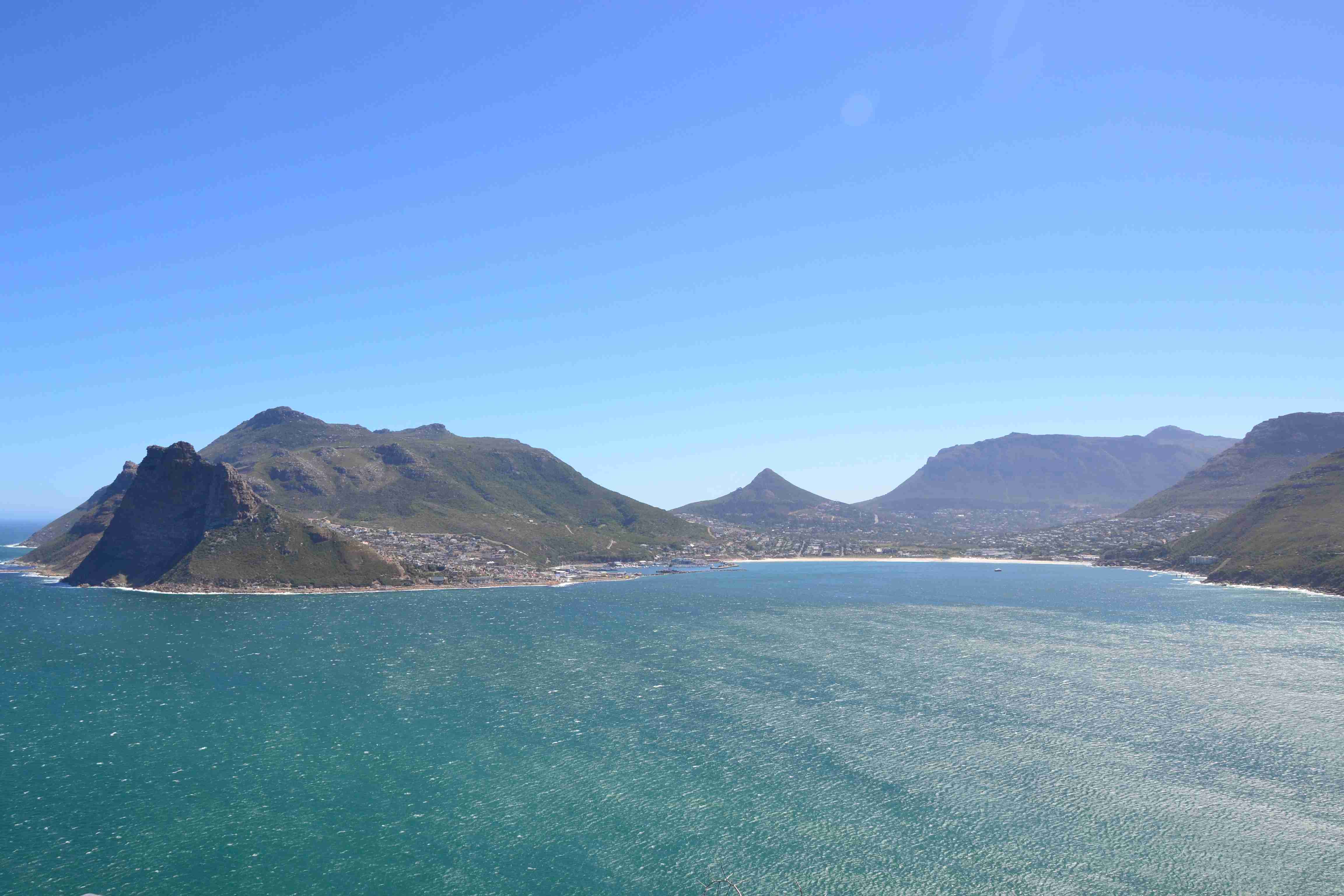
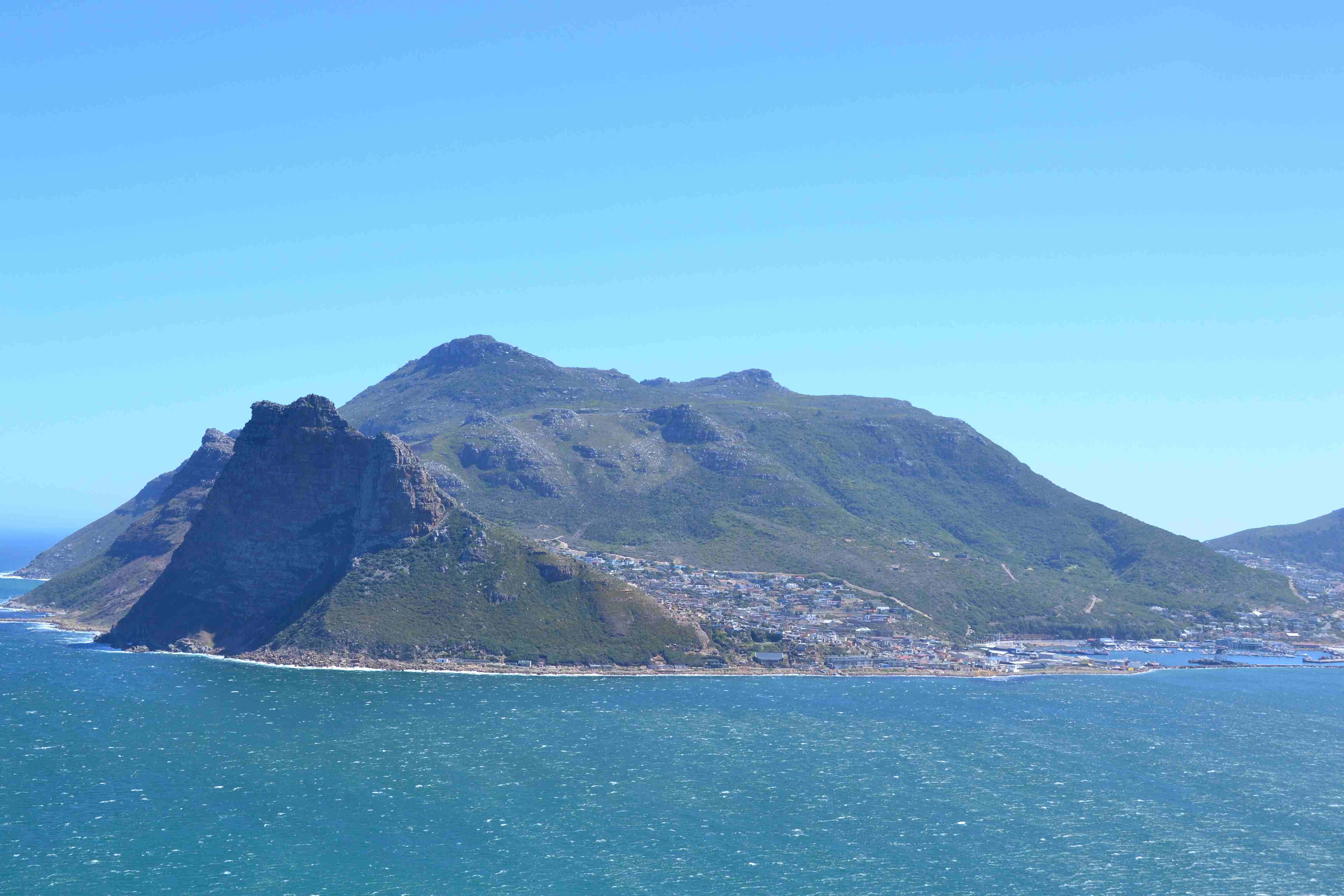
Sam then took us to Hout Bay, which is a seaside suburb located 20 km south of the Central business district of Cape Town. It was very peaceful with many boats floating in the bay. Among some attractions around the place, we saw a man who was soliciting visitors using his pet seal (instead of a monkey). With a small charge, tourists could feed the seal as you can see in the photo below.
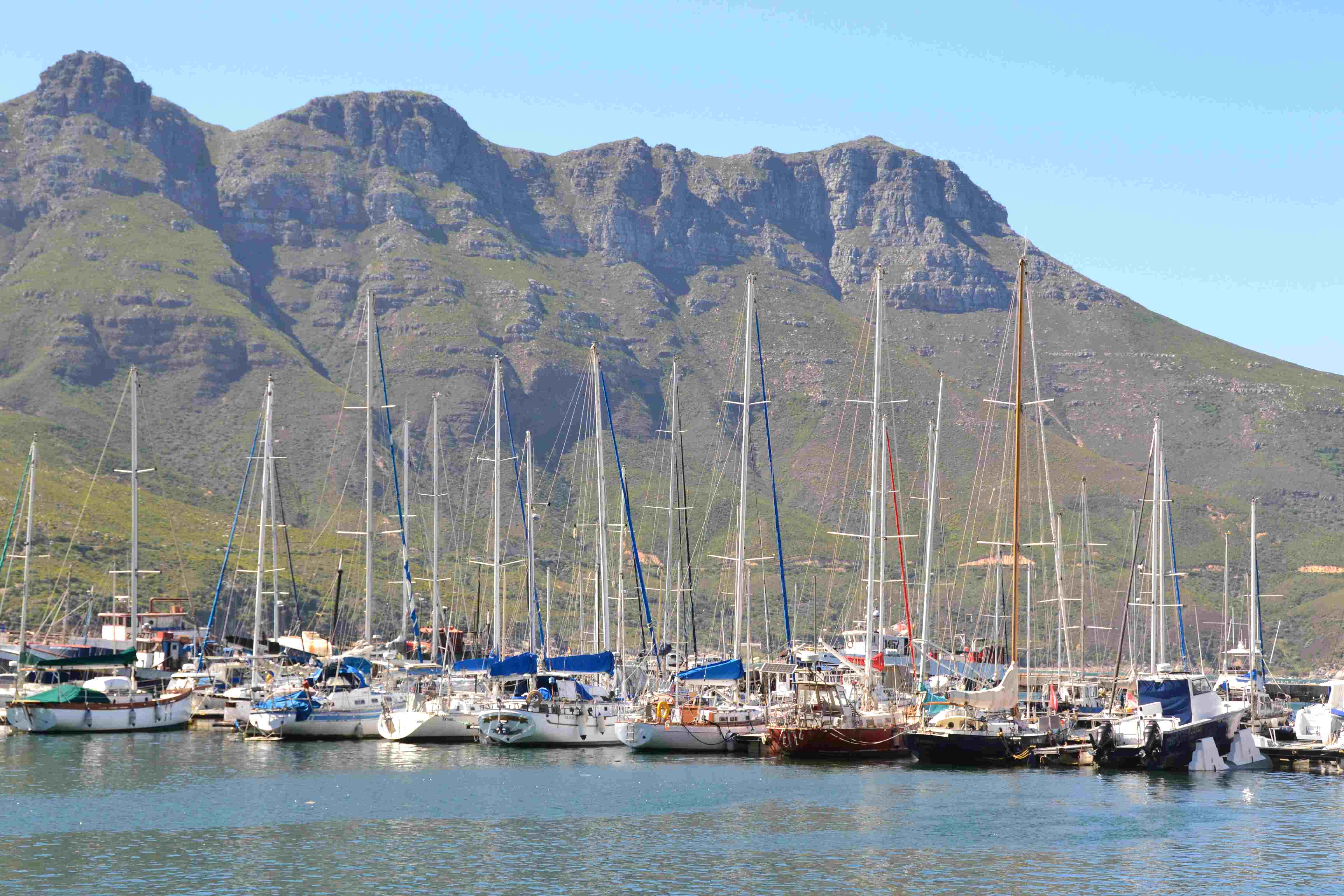


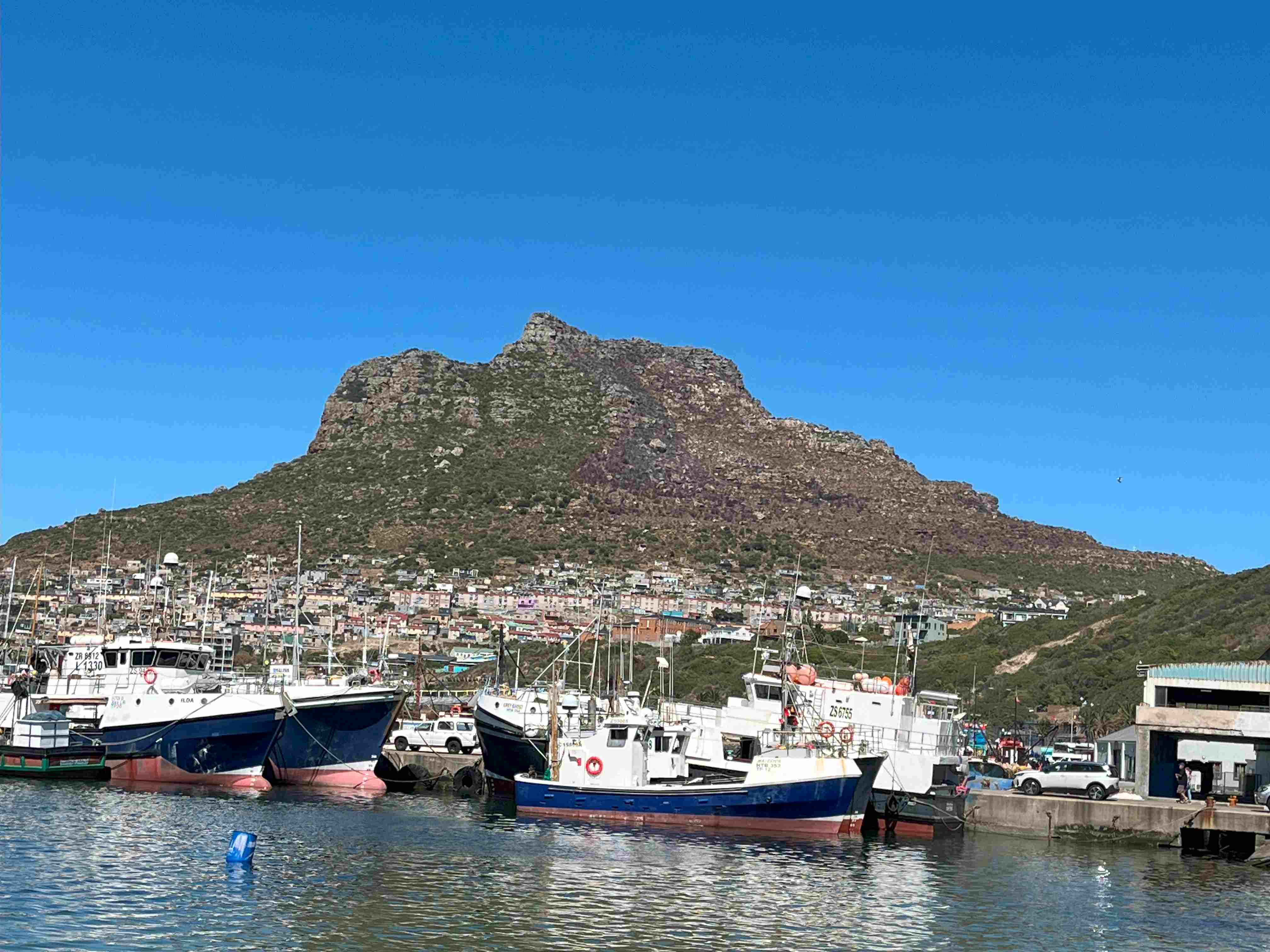
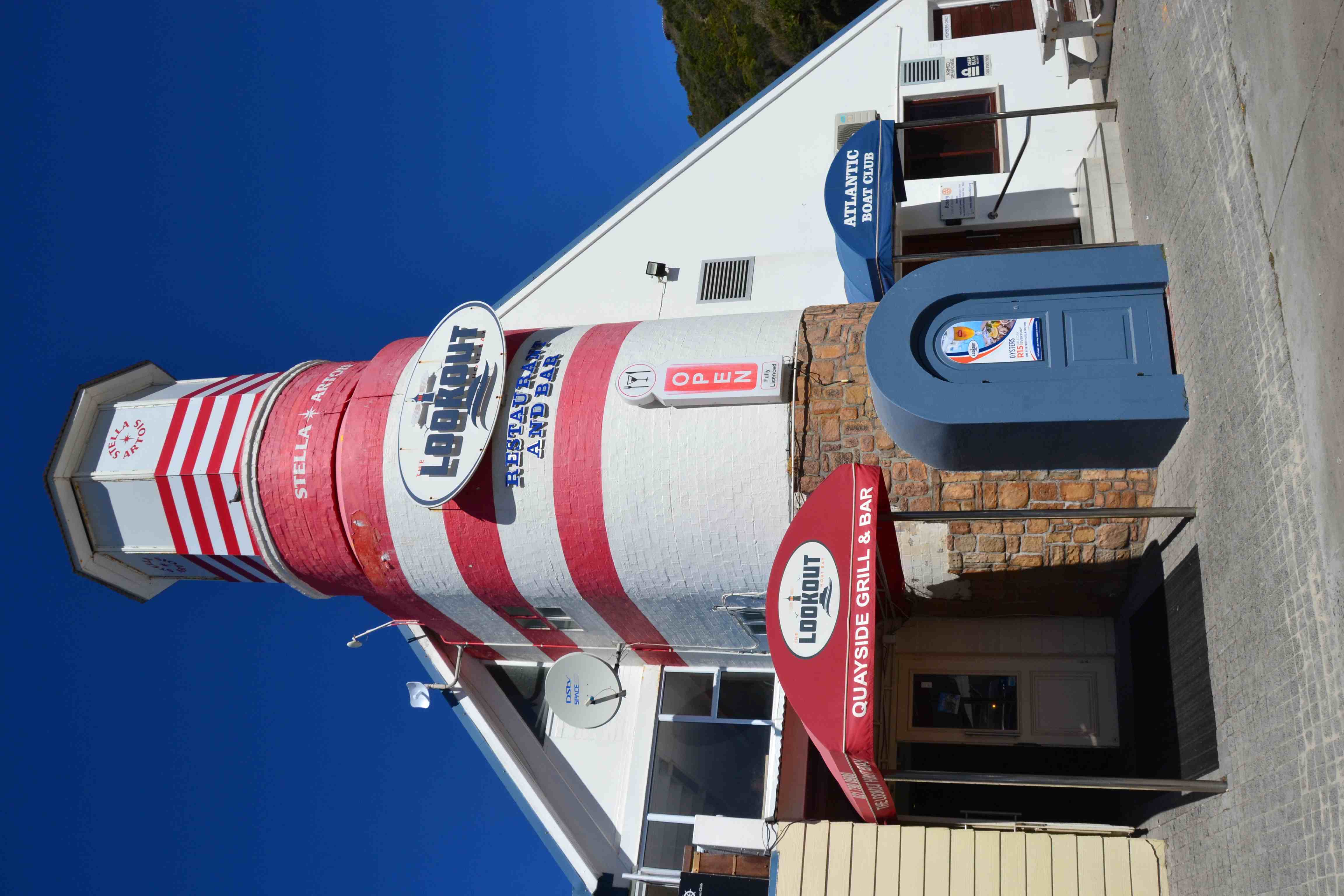
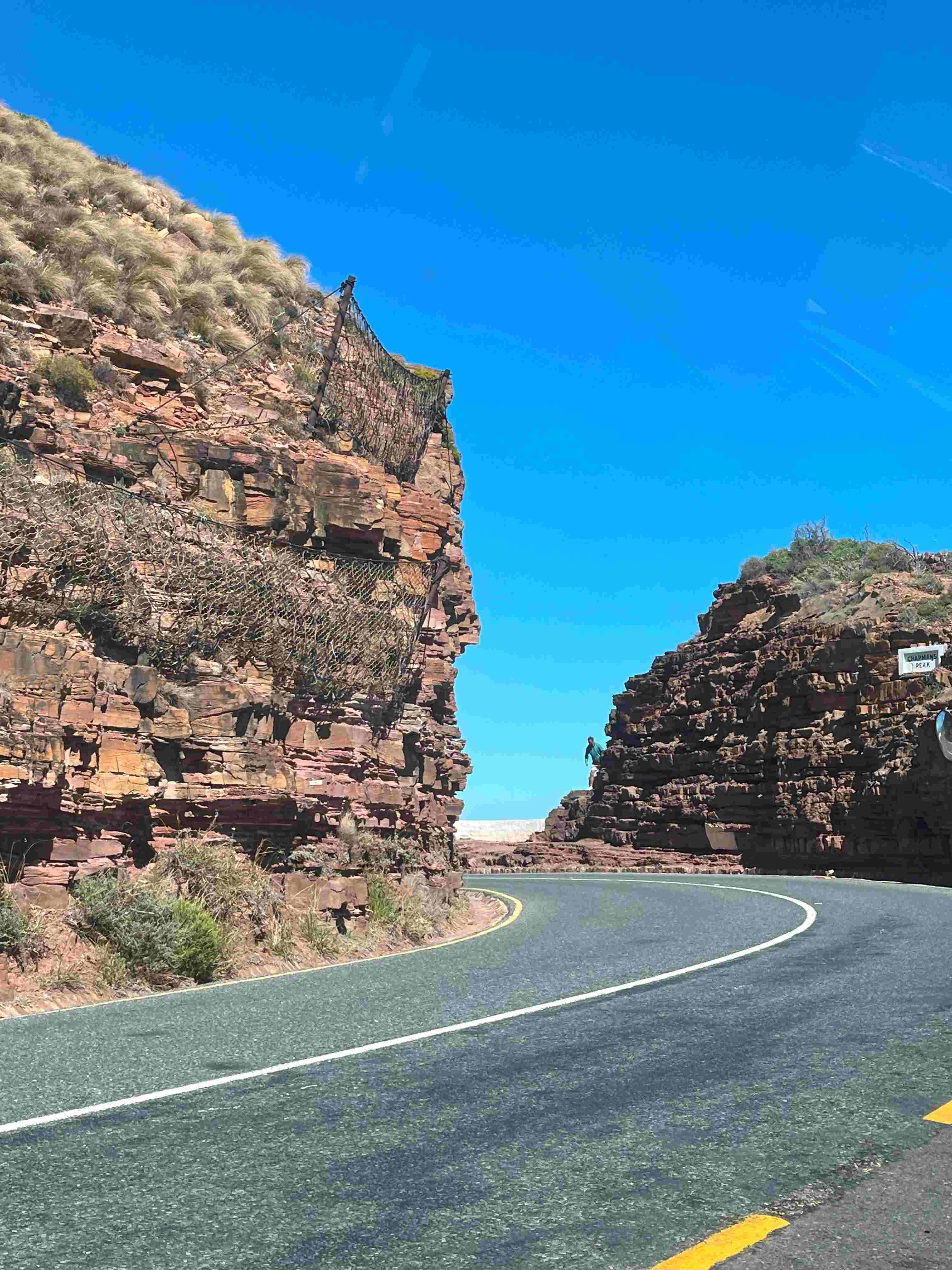
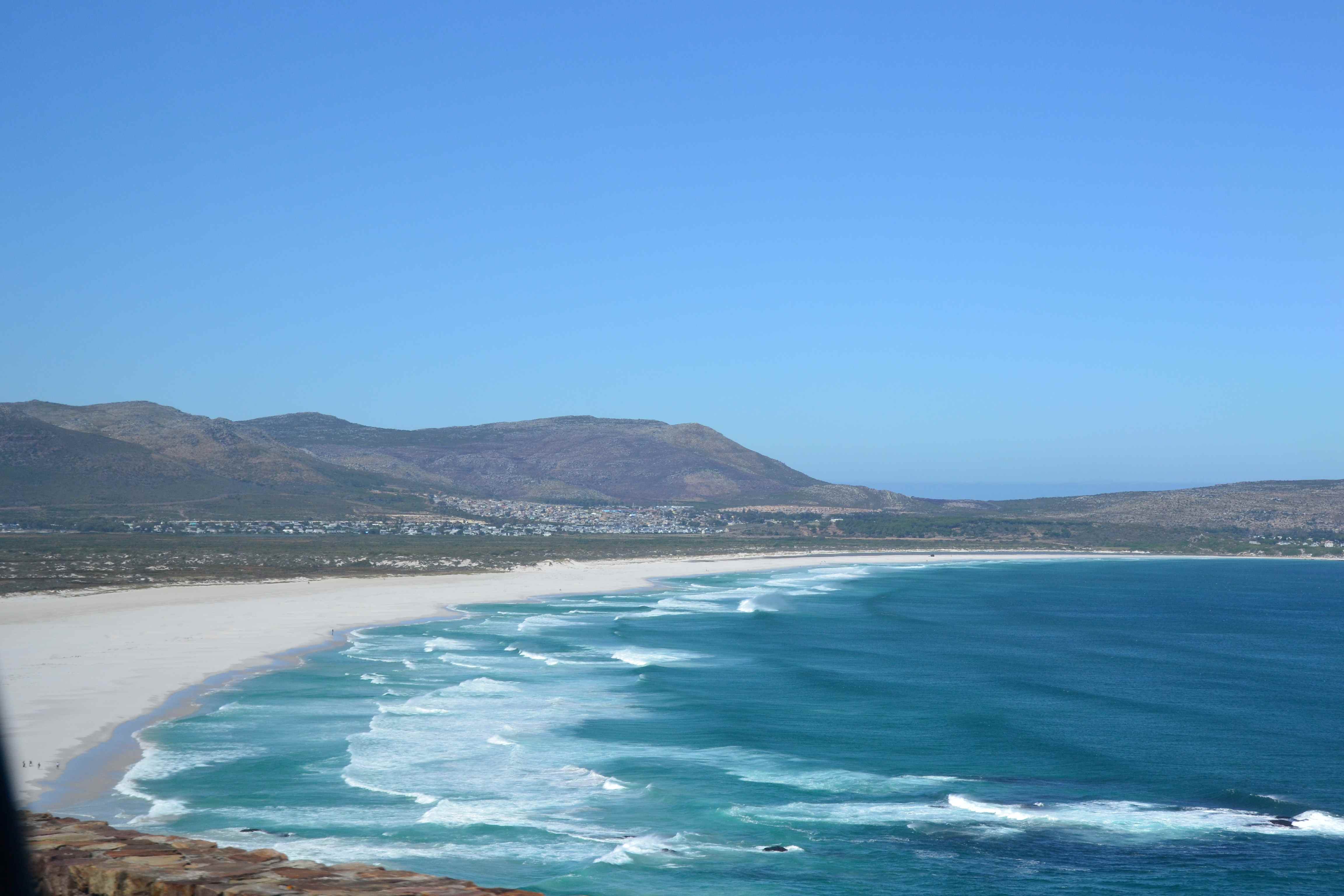
The views around the Table Mountain


Simon's Town
Then Sam took us to Simon’s Town where we could see the beautiful seaside of Cape Town. The town is known for its Boulders Beach and a unique African penguin colony. The penguins there are also called Cape penguins. They have established a land-based colony that was one of few existing in the world. This place reminded us of Punta Tombo in Argentina we visited a few years prior. Though we couldn’t see as many penguins as in Punta Tombo, we could still see some penguins living in bushes along the way.


At the end of the board walk, there was a restaurant on top of the hill which Sam recommended us to have lunch. Under the beautiful blue sky, we sat on the balcony where we could oversee the beaches. The lunch was delicious. The only problem we had was that we didn’t realize that the warning about eating fresh vegetables/fruits and drinking local water in Africa applied also to Cape Town. The city was very modern, clean and very similar to where we live. Violating the warning, the feast we had that day caused Phil a stomach problem for the next two days.
Leaving Cape Town
The next day, we left our hotel to catch our cruise ship in the late morning. Phil was quite ill that day, but we didn’t have any choice but to go to the port on time to board our ship. As there were two large ships departing from the same port that day, the traffic from the hotel to the port was quite congested. Then we wound up waiting for 3 ½ hours in line just to register and board our ship. We had taken more than a dozen cruises in the past, but this was the worst experience we had as far as boarding the ship - especially Phil being sick during that time. All the passengers who wound up waiting in line under the hot sun were quite upset and some even began to argue among themselves. By the time we arrived in our cabin, we were totally exhausted.
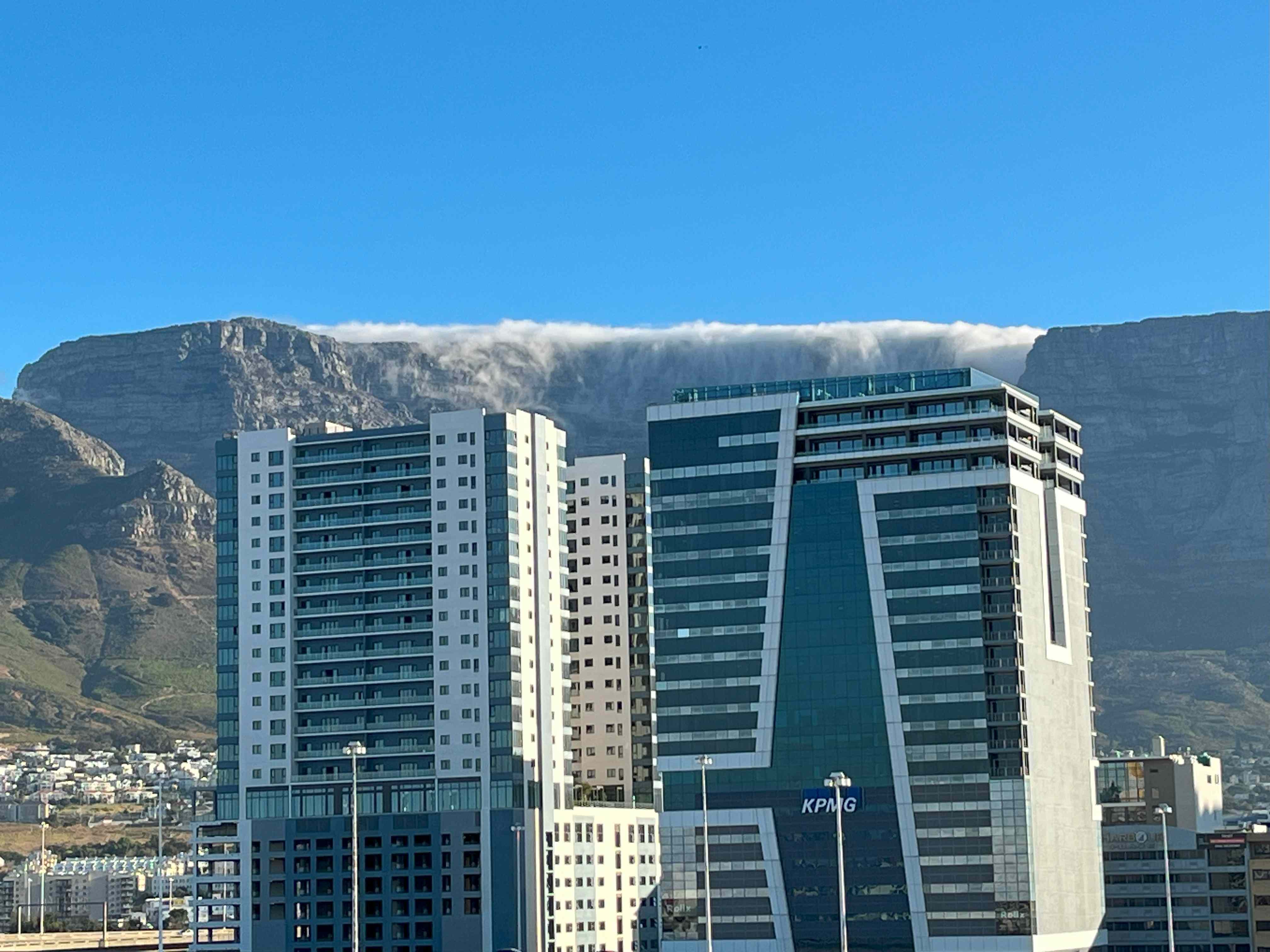
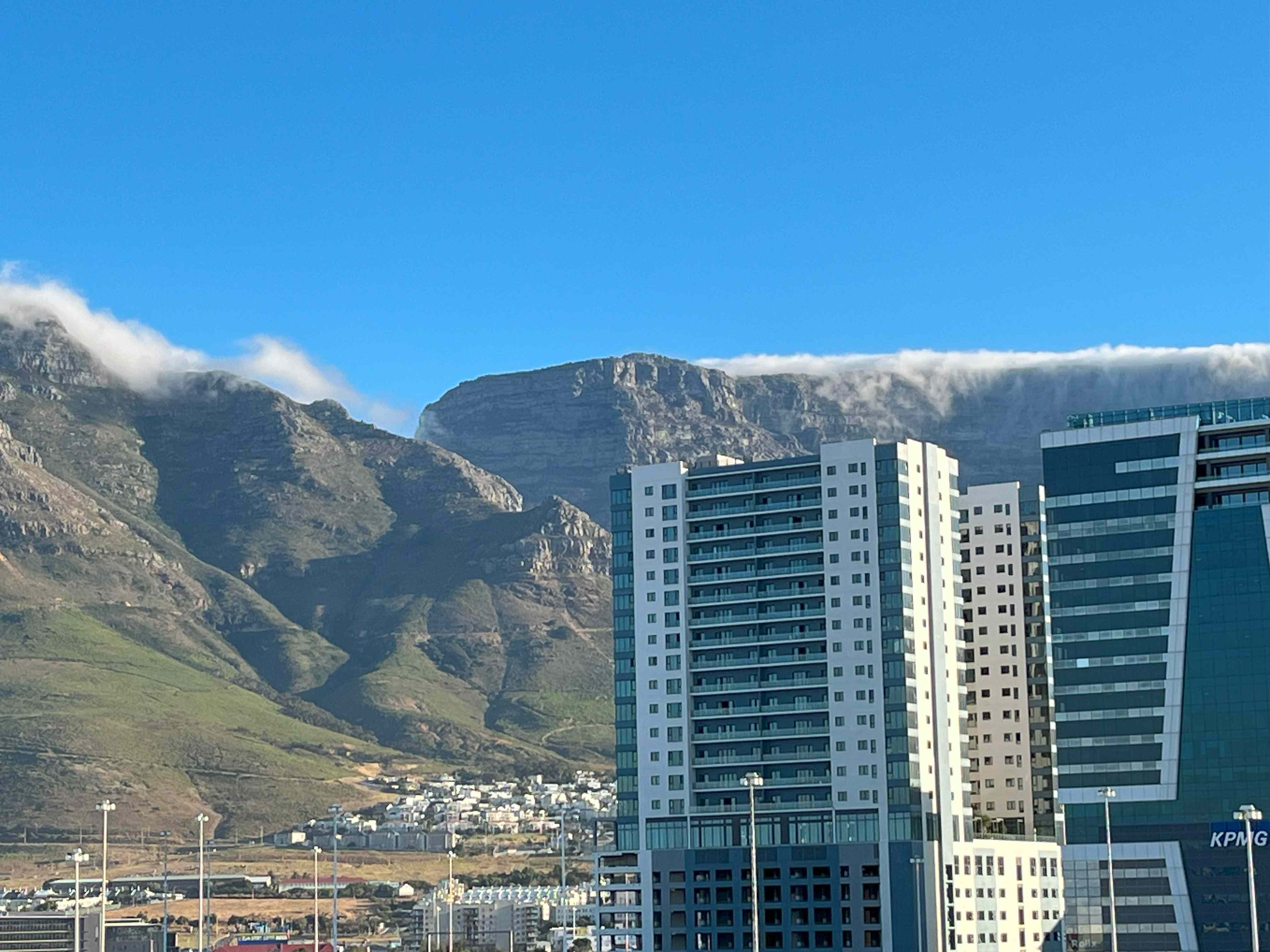
When the ship was about to depart Cape Town the next morning, Phil noticed very unusual sight from the balcony - the clouds on top of Table Mountain looked just like waterfalls. What a sight!!

Hodge Podge

