African Cruise
Photos by Philip and Yoko Galvin
3. Luanda, Angola
Our next port was Luanda which is the largest city in Angola. Yoko had recovered from her stomach issue, so it was so nice to be able to travel on land again after two days at sea.
Because the buildings around the port were in very bad condition, we were expecting the whole city to be the same. But when the tour bus took us to downtown, we were pleasantly surprised to see the downtown looked fairly new and clean with some new skyscrapers.


While we were walking on the street, we saw a very unusual sight. A lady was carrying food and drinks in a plastic container on her head. Then another woman carrying some drinks.


Mausoleum of Agostinho Neto
After driving around downtown, the tour bus took us to the Mausoleum of Agostinho Neto. In 1975, Angola became an independent country after Agostinho Neto, who was an Angolian communist politician and poet, fought for his country’s independence. He later became the first president of Angola. His coffin was placed in a very large room surrounded by floral wreaths from the provinces of Angola and many socialist nations such as Cuba, Russia, Ecuador and China. Visitors were able to walk around the room to pay respect but unfortunately, we were not allowed to take any photos inside.


Statue of Antonio Agostinho Neto


We then drove past the National Assembly building and then headed to Palacio de Ferro (Iron Palace).

National Assembly Building
Palacio de Ferro (Iron Palace)
It is believed that this palace was designed and built by someone associated with Gustave Eiffel who was the builder of Eiffel Tower in Paris. Though there are no official records to prove this. It is believed that this building was destined to be placed in Madagascar after being pre-built in the 1980s in France. However, the ship which carried the building ended up in Angola’s Skelton Coast after it was grounded by the notorious Benguela Current. Because of this, the ship was claimed by Portuguese rulers of the colony along with all its contents, including the palace. The building had a great deal of prestige during the Portuguese era, and it was used as an art center. However, after the independence of Angola, the building was neglected and ended up as a parking lot. In addition, the Angolan Civil War damaged the building leaving some of its structures in a rusted and rotting condition. Fortunately, it was renovated in 2009, funded by profits from Angola’s oil boom with the help of Brazilian construction companies.


Church of Our Lady of Remedies
Next, we visited the Church of Our Lady of Remedies. It is the oldest church in Luanda. It was originally founded in 1575 by Portuguese traders, who dedicated it to Our Lady of the Immaculate Conception. The stone church with a secular cross and elegant side tower became a parish church and was given its current name in 1854. The reconstruction of the church was completed in 1669.


National Anthropology Museum
Then the tour bus took us to the National Anthropology Museum which was founded on November 13, 1976. It is a cultural and scientific institution dedicated to the collection, research, conservation, presentation and dissemination of the Angolan cultural heritage. There, we saw many interesting art pieces:


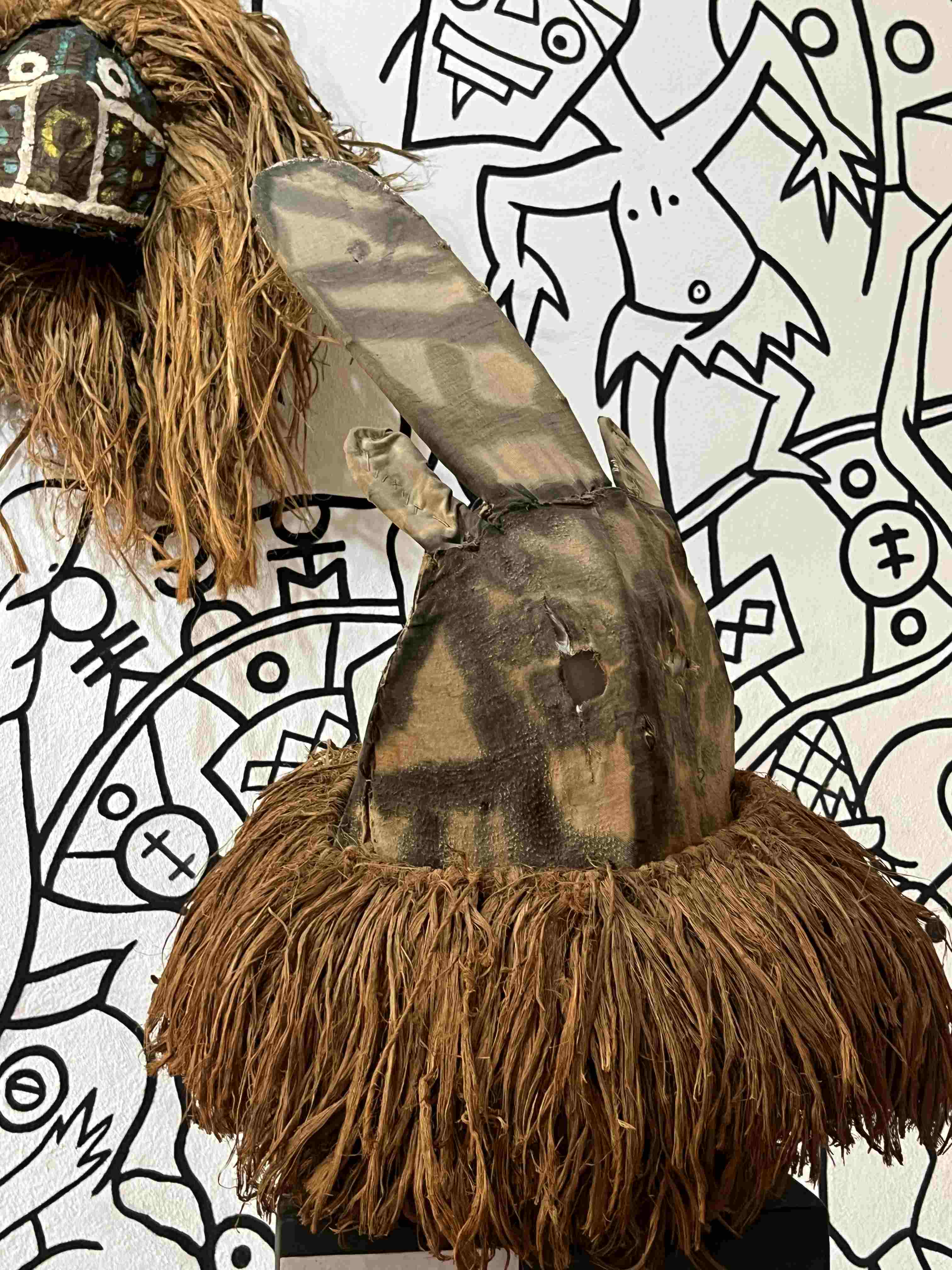


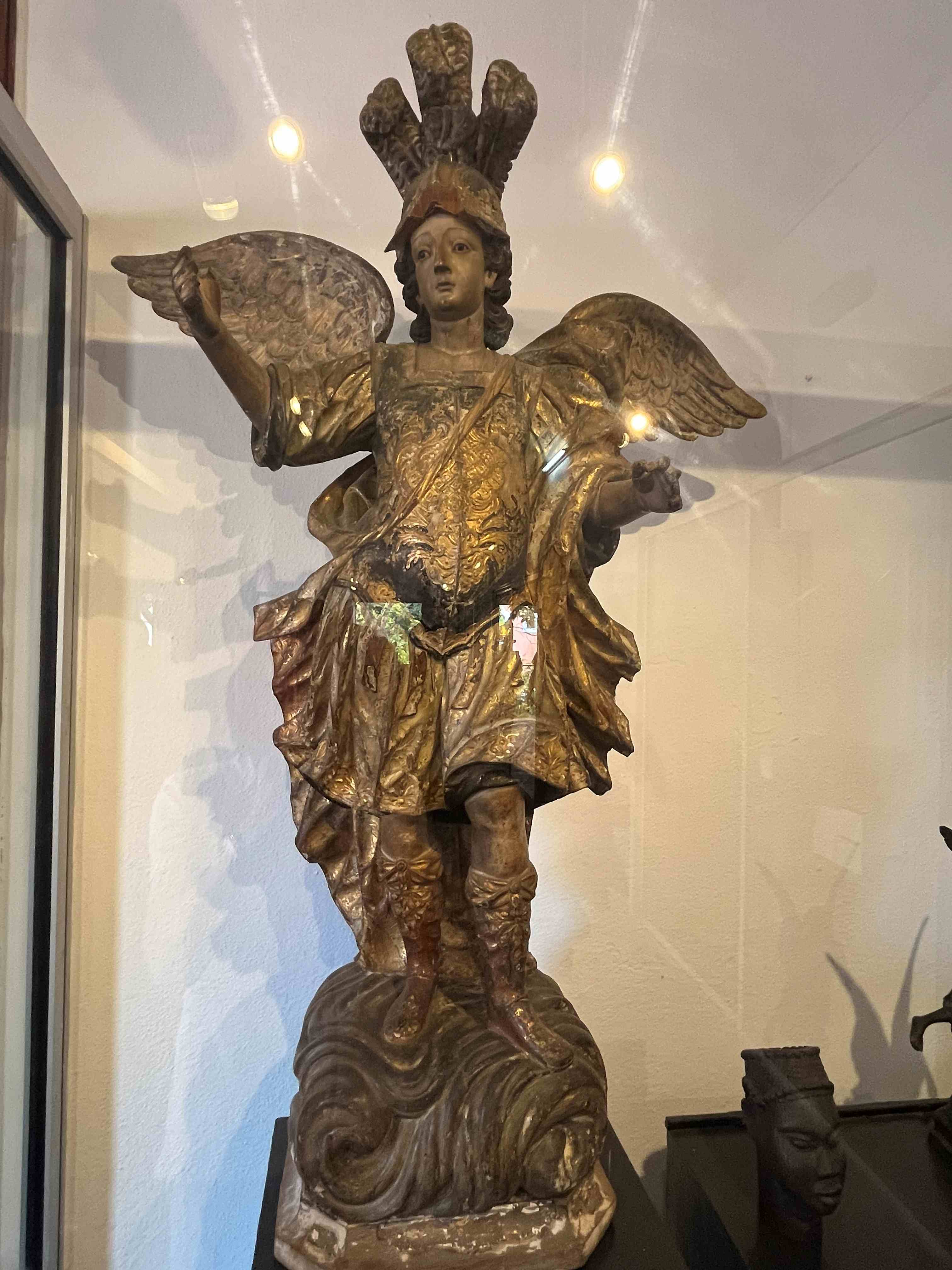


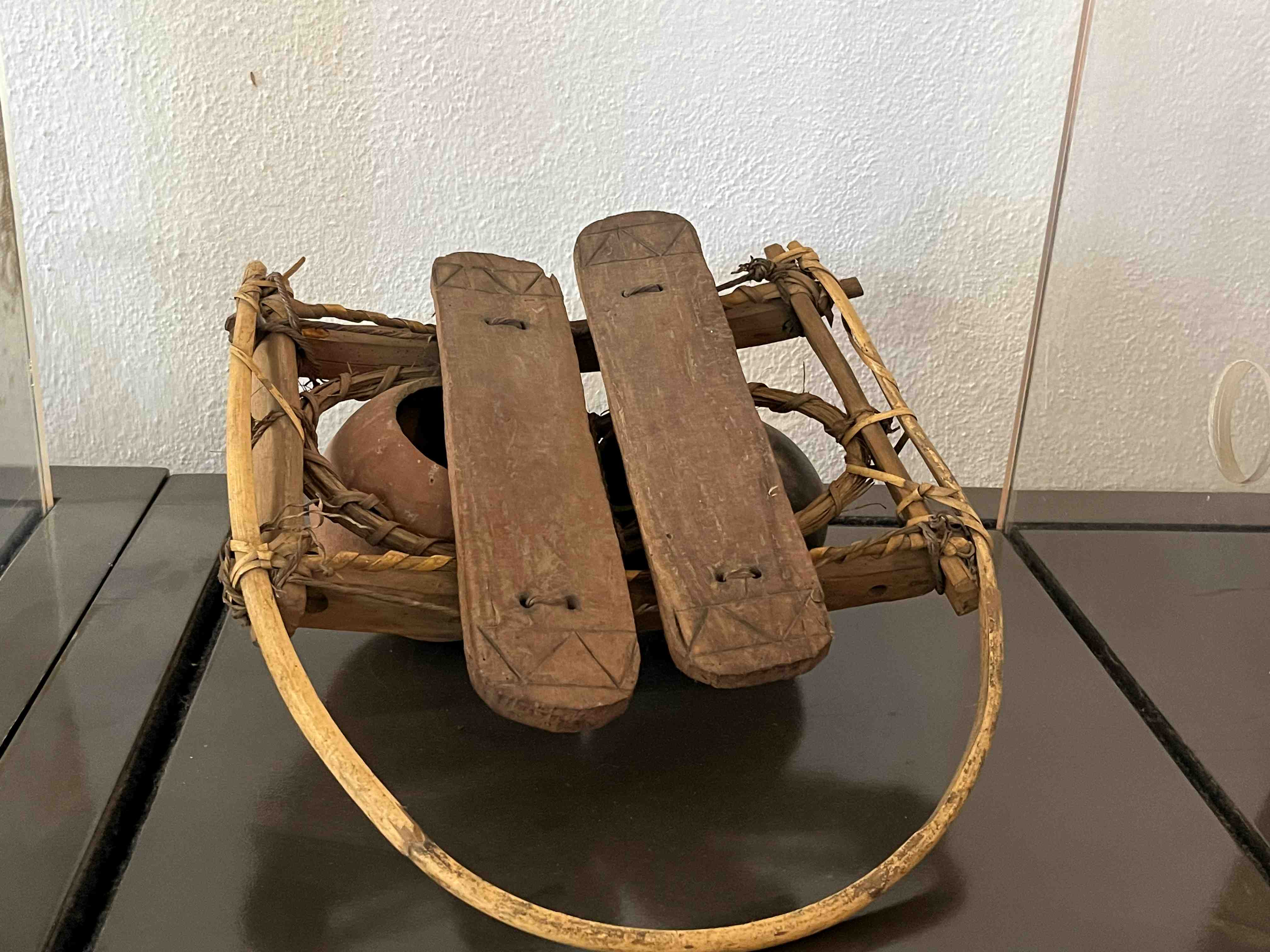


Museum of the Armed Forces
Next, we visited the Museum of the Armed Forces which was located on a hill. There, we saw the bi-motor airplanes, combat vehicles and other various arms and artifacts used during the Angolan War of Independence (1961-1974), the South African Border War (1966-1991) and the Angolan Civil War (1975-2002). There also was statue of Diogo Cao, the first European to set foot in Angola, Vasco da Gama, and of famous Portuguese poet Luis de Camoes.

The photos below are the views from the Armed Force.


There was another exhibition room where many ceramic arts were displayed.


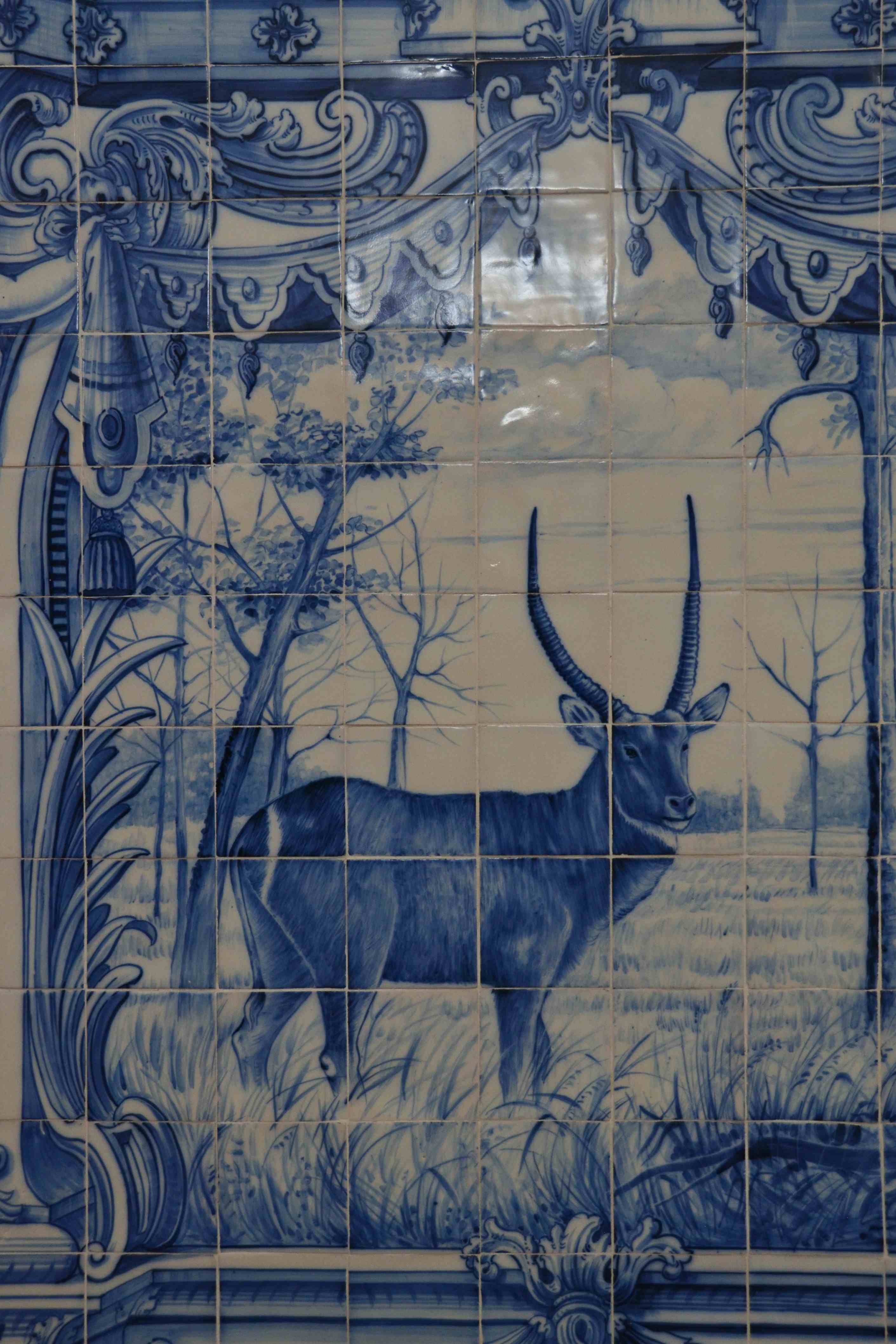


North American T-6G Texan Trainers
Hodge Podge

